
In the ongoing quest to replace traditional refined sugar with healthier alternatives, a newcomer has captured significant scientific and public attention: allulose. As a "rare sugar" that exists naturally in minute quantities in foods like figs, raisins, and maple syrup, allulose is now being produced on an industrial scale to serve as a low-calorie, high-performance sweetener. With a taste profile often compared to erythritol and a chemical structure that mimics sucrose, it has been touted by some as a potential panacea for those looking to satisfy their sweet tooth without the metabolic baggage of traditional glucose or fructose. However, as the market for these alternatives expands, health professionals and researchers are urging caution, emphasizing that while early data is promising, definitive clinical conclusions remain elusive.
The appeal of allulose lies in its unique metabolic pathway. Unlike standard sugar, which is readily absorbed and metabolized, allulose is largely excreted by the body without contributing to significant spikes in blood glucose or insulin. This characteristic has led to various investigations into its potential anti-diabetic and anti-obesity properties. Much of the enthusiasm surrounding the sweetener stems from animal models. In studies involving obese mice, researchers observed substantial impacts on weight management. Similarly, hamsters fed a high-fat diet supplemented with allulose showed a decrease in LDL cholesterol levels. While these findings are intriguing, they highlight a recurring theme in nutrition science: the significant gap between observations in rodents and the actual physiological outcomes in humans.
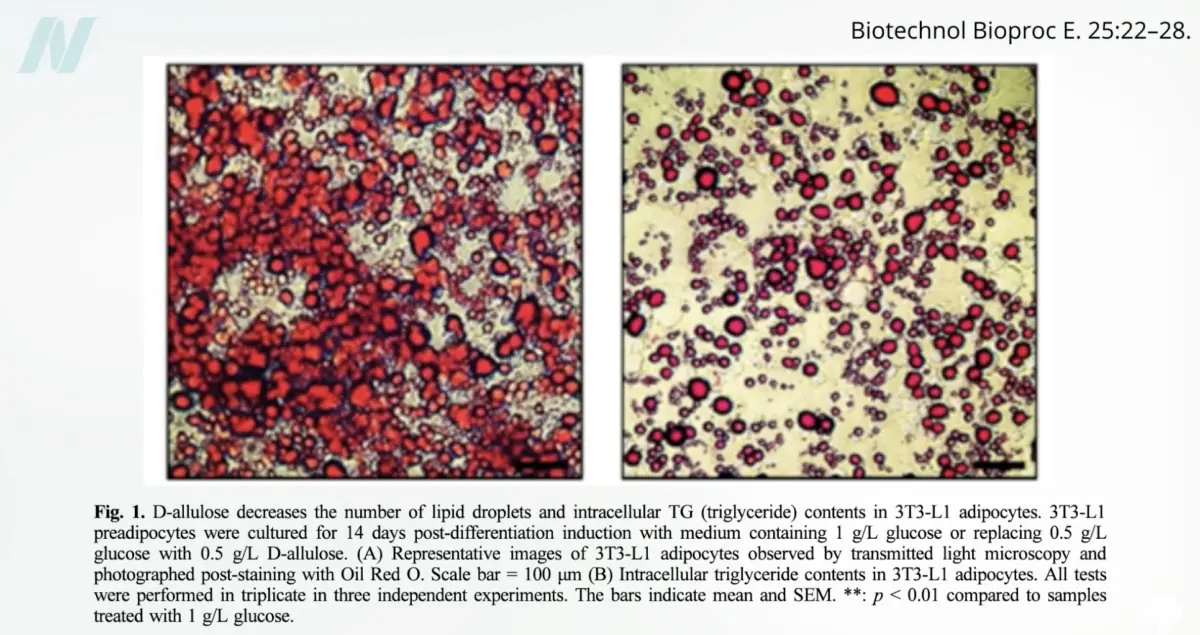
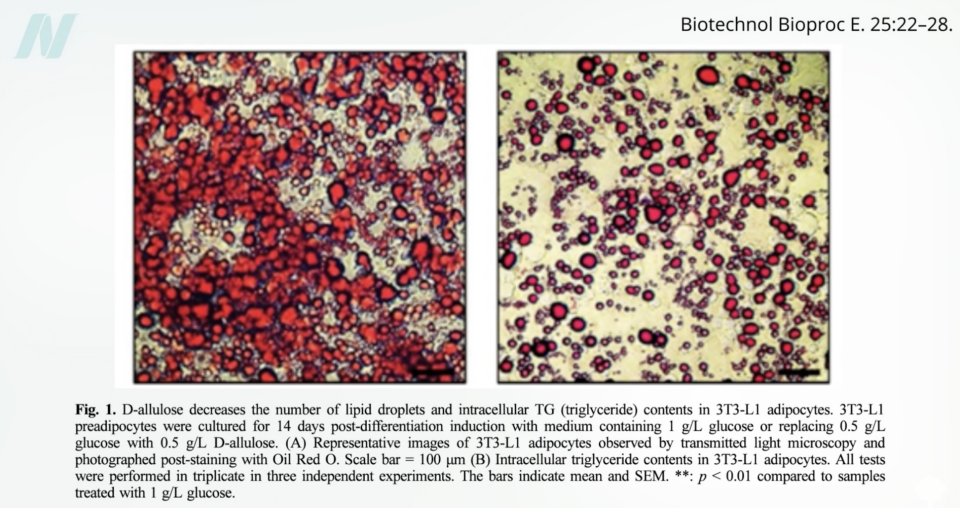
To understand how allulose might function at a cellular level, researchers have turned to petri dish experiments. In one notable study, scientists investigated whether allulose could influence adipogenesis, or the process by which fat cell precursors mature into fully functional fat cells. The results were visually striking: when exposed to allulose, the inhibition of fat cell maturation was significant, and the accumulation of lipids within existing cells was reduced. Such findings have led some researchers to suggest that allulose could serve as a promising component in an anti-obesity dietary strategy. However, laboratory cultures provide only a glimpse into the complexities of human metabolism, where hormones, digestion, and daily activity levels create a far more complicated landscape than a static cell culture.
The transition from the laboratory to human participants has produced mixed but thought-provoking results. In one controlled trial, participants were given approximately a teaspoon of allulose thirty minutes before a meal. Compared to a control group, those who consumed the allulose demonstrated an increase in post-meal fat oxidation. At first glance, this might suggest an enhanced metabolic rate. However, a closer look at the data reveals that the participants burned only about 15 extra calories of fat over a four-hour period. Furthermore, there was no net increase in total calorie expenditure; the subjects simply shifted their fuel source from carbohydrates to fat. Whether this shift persists throughout the day or merely triggers a compensatory mechanism remains an open question.
Tracking weight over time is a more reliable metric than observing individual meal responses, and here the evidence remains inconsistent. Some studies have compared allulose to high-fructose corn syrup—a low bar to clear—and observed improvements in body fat, weight, and waist circumference. Yet, these results are often clouded by the use of proprietary mixtures. A more rigorous, randomized study involving over one hundred participants provided more clarity. When individuals were given either a placebo (sucralose) or varying doses of allulose twice daily, the allulose groups experienced a significant decrease in body fat over a 12-week period, even without changes in physical activity or total caloric intake.
While the loss of body fat—roughly two pounds over three months—was statistically significant, it was not necessarily transformative. Furthermore, CT scans revealed that the reduction in abdominal fat was primarily limited to subcutaneous fat, the "flabby" layer just under the skin, rather than the deeper, more dangerous visceral fat that is strongly linked to cardiovascular disease and metabolic dysfunction. Additionally, the cholesterol-lowering effect observed in hamsters failed to materialize in this human trial, as there was no significant change in LDL cholesterol levels.
The potential anti-diabetic effects of allulose are similarly nuanced. When consumed in isolation, allulose does not appear to influence blood glucose or insulin levels. However, when paired with rapidly digesting carbohydrates, it has shown a capacity to suppress the expected spike in blood sugar and insulin by as much as 30 percent over a two-hour period. Researchers hypothesize that allulose may compete for the same intestinal transporters as glucose, effectively blocking its absorption. While this mechanism is theoretically powerful, its real-world application is limited. Most people do not consume pure glucose in a vacuum; they eat mixed meals. When testing allulose in the context of a regular meal for individuals with borderline diabetes, the observed suppression of blood sugar spikes was a more modest 15 percent.
A secondary, long-term study on this same population, where participants consumed allulose with meals over 12 weeks, failed to replicate the weight-loss benefits observed in other trials. Furthermore, the broader literature on the subject is conflicting. While some studies suggest benefits for those with diabetes, others show no effect in healthy individuals. A systematic review and meta-analysis of all available controlled feeding trials concluded that the acute benefits of allulose on blood sugar were of "borderline significance," leaving researchers unsure if these minor, transient effects could translate into meaningful long-term health improvements. The consensus suggests that allulose is not a "magic bullet" that allows for the continued consumption of high-sugar, low-nutrient diets; rather, it may only be effective as part of a broader shift toward healthier eating habits.
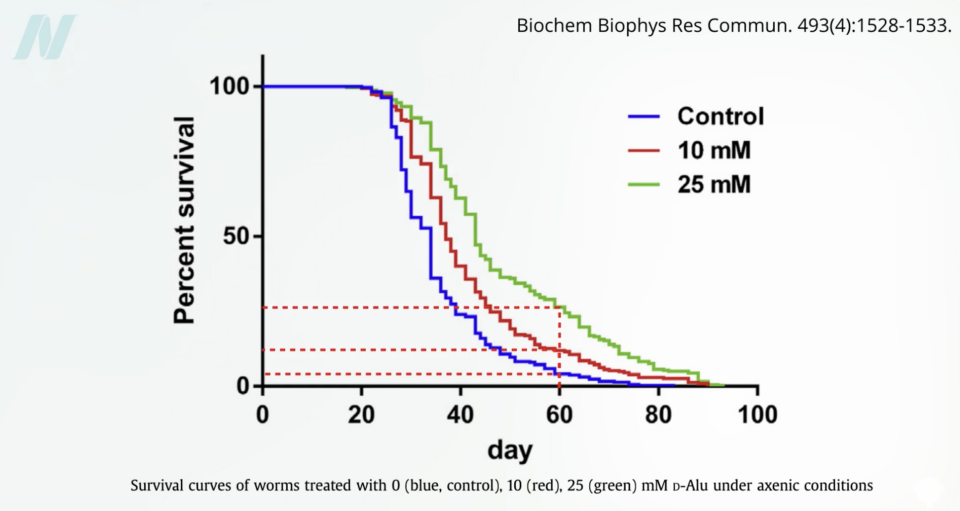
Beyond metabolism and weight, researchers have explored the potential longevity-extending properties of allulose, often using the roundworm C. elegans as a model. These studies found that allulose could significantly extend the lifespan of the worms, likely by boosting the expression of antioxidant enzymes and mopping up free radicals. While the idea of a sweetener promoting longevity is compelling, the distance between the lifespan of a nematode and that of a human is vast. Nevertheless, this has prompted further research into human cells. In one study using human coronary artery endothelial cells, the presence of allulose appeared to mitigate the oxidative stress and inflammation usually caused by high sugar intake. This suggests that, at a microscopic level, allulose might help protect the cells lining our arteries. Yet, it remains premature to conclude that these effects would manifest as reduced cardiovascular risk in living, breathing humans.
Ultimately, the question remains: is allulose a healthy alternative to traditional sweeteners? The scientific community views it as perhaps the most promising of the rare sugars, particularly because it lacks the known toxicological and metabolic downsides associated with some other artificial sweeteners. However, because we lack large-scale, long-term human data, the prevailing recommendation is that it is still too early to broadly endorse it as a health-promoting staple in the human diet.
For those looking to improve their health, many nutrition experts maintain that the best sweeteners are not laboratory-derived or processed at all, but rather those found in whole foods. Fresh, frozen, or dried fruits, such as dates, provide sweetness alongside a wealth of fiber, vitamins, and antioxidants. While allulose may serve as a useful tool for those struggling to transition away from the heavy consumption of refined sugars, it is not a substitute for the nutritional value inherent in a diet rich in whole, plant-based foods. As the science continues to evolve, the most prudent approach remains a reliance on nature’s original packaging.