
In the landscape of modern oncology, new chemotherapy drugs are frequently heralded as "game changers" or "breakthroughs." These labels, often amplified by aggressive marketing and high-profile media coverage, suggest that the frontier of cancer treatment is advancing at a rapid, transformative pace. However, a closer examination of the data suggests a far more sobering reality. When researchers aggregate the overall survival benefits of new chemotherapy drugs approved over a twelve-year period, the average extension of life is a mere 2.1 months. This modest statistic stands in stark contrast to the revolutionary language often used to describe these pharmaceutical interventions.
The disconnect between the clinical promise of these drugs and their actual impact on patient outcomes has become a subject of intense scrutiny within the medical community. In a recent editorial published in the Journal of the National Cancer Institute, authors argued that the majority of new cancer treatments fail to deliver what could be considered "clinically meaningful benefits." This creates a complex ethical and economic dilemma: when these drugs are later proven to be ineffective through post-market studies, they are rarely removed from the market. Instead, they often retain their regulatory approval from the U.S. Food and Drug Administration (FDA) and continue to be sold at prices comparable to the most expensive treatments in existence.
The financial burden of these therapies is often detached from their actual performance. In one study, researchers identified a drug costing $169,836 per year that provided zero improvement in overall survival. More concerningly, the treatment actually resulted in a decline in the patient’s quality of life. This raises an urgent question regarding the value proposition of modern medicine: why should the healthcare system, and by extension patients and insurers, pay a premium for a treatment that offers no therapeutic benefit while simultaneously causing harm?
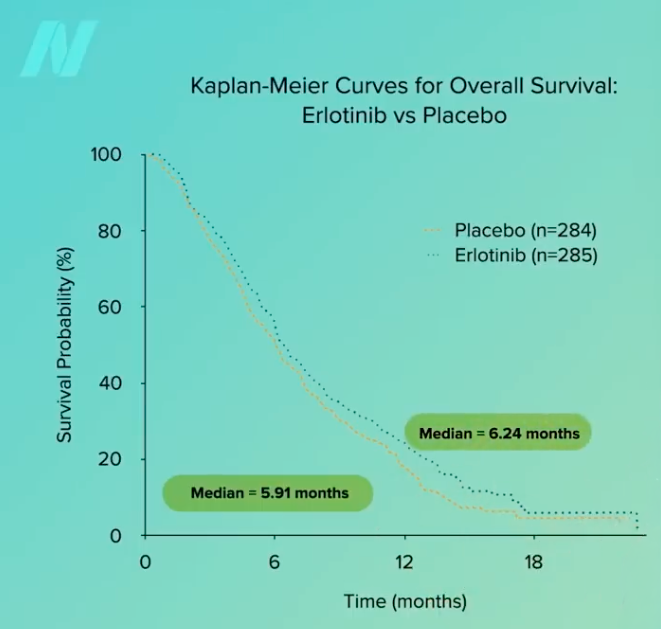
Even in instances where a drug does demonstrate a statistically significant improvement in survival, the term "significant" can be misleading. Pharmaceutical companies frequently design large-scale clinical trials that identify minor, statistically measurable differences in survival endpoints. While these results may be technically accurate, they often lack clinical relevance for the patient. A poignant example is a well-known trial involving the combination of erlotinib and gemcitabine for advanced pancreatic cancer. While the addition of erlotinib was touted as significantly prolonging survival, the reality for the patients involved was far more modest. The group receiving the additional drug lived an average of 6.24 months, while the placebo group lived for 5.91 months. This represents an extension of life of only about 10 days—a duration that hardly captures the essence of what patients generally expect when they hear the term "survival benefit."

The reliance on such statistical jargon during consultations can lead to a fundamental misunderstanding between doctors and patients. When a patient is told a treatment offers a "significant improvement in survival," they rarely imagine an extra week or a half-month. This discrepancy is exacerbated by a lack of transparency regarding the limitations of chemotherapy. Surveys indicate that a significant majority—approximately three-quarters—of patients with metastatic lung or colorectal cancer fail to grasp that their chemotherapy treatment is not intended to be curative. They are often under the impression that the treatment has a high likelihood of eliminating their cancer, when in reality, it is merely a palliative measure intended to extend life by a few weeks or months.
This lack of clear communication deprives patients of the autonomy to make informed decisions about their own care. By not presenting the risks of toxicity alongside the modest, often non-curative benefits, medical providers inadvertently prevent patients from weighing the potential for symptom relief against the harsh side effects of chemotherapy. If patients were fully informed, many might choose to forgo such treatments entirely. Interviews with cancer patients have shown that many would require at least six months of additional life to justify the physical and emotional burden of aggressive chemotherapy. However, individuals’ priorities vary wildly; some might find a single week of extra life invaluable, while others might prioritize the quality of their remaining time over an extension that carries significant morbidity.
It is particularly telling that oncologists and nurses, who work with these drugs daily, often express a lower willingness to undergo intensive chemotherapy themselves, likely due to their intimate knowledge of the associated toxicities. Most chemotherapy drugs are inherently cytotoxic; they function by killing cancer cells but inevitably cause collateral damage to healthy cells. This can lead to severe long-term health issues, including nerve damage, permanent heart failure, damage to the gut lining, and suppression of the immune system.
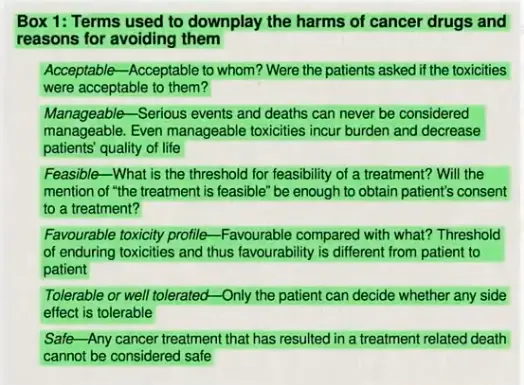
Despite these risks, the language used by pharmaceutical companies to describe their products often downplays the severity of these adverse events. For instance, drugs like ribociclib for breast cancer or liposomal irinotecan for pancreatic cancer have been described in top medical journals as having "acceptable" or "manageable" side-effect profiles. Yet, when the underlying data is analyzed, the incidence of life-threatening side effects is often significantly higher than what the marketing materials imply. Furthermore, the term "manageable" often excludes those who ultimately lose their lives to the drug’s toxicity. Descriptive terms like "safe," "favorable," "tolerable," or "feasible" are subjective and often fail to account for the patient’s perspective on what constitutes a reasonable trade-off for their health.
While it is true that some fields of oncology have seen genuine, life-altering breakthroughs—such as the highly effective treatments now available for testicular cancer and Hodgkin’s lymphoma—these cases remain the exception rather than the rule for most common solid tumors. For cancers of the colon, lung, breast, and prostate, the probability that chemotherapy will lead to five-year survival remains remarkably low, often estimated at around 1% to 2% when analyzed conservatively.
As the medical community continues to navigate the complexities of cancer care, the need for transparent, evidence-based communication has never been greater. Patients deserve to understand the true limitations of the treatments they are offered, the magnitude of the potential survival gains, and the depth of the risks involved. Without this honesty, the promise of modern medicine risks being overshadowed by the disappointment of expectations that were never grounded in the reality of clinical outcomes. Addressing these issues, alongside a broader focus on cancer prevention and lifestyle-based interventions, remains the most viable path toward improving the lives of those impacted by this disease.