

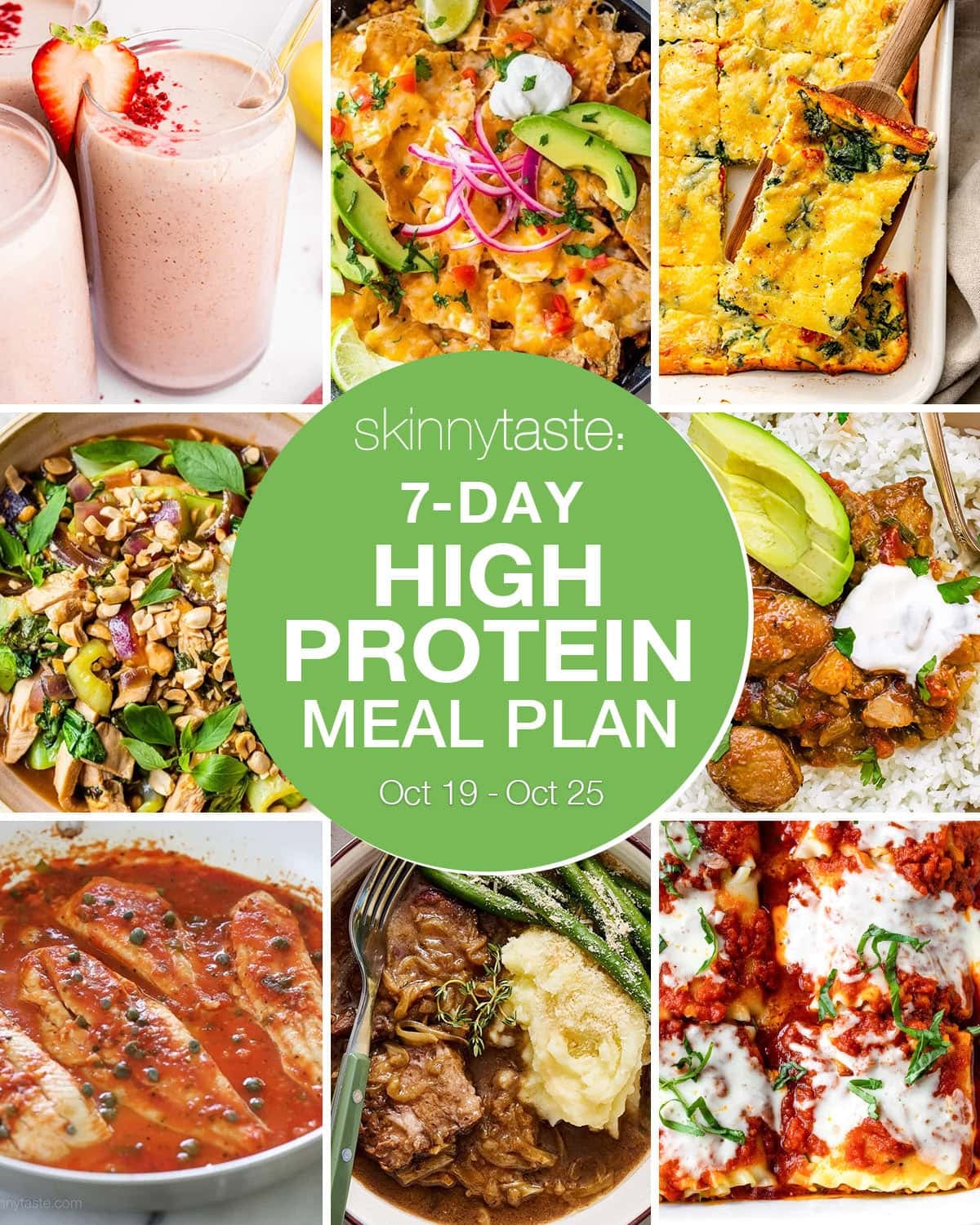
As the autumn season settles in, many home cooks are looking for ways to balance the desire for cozy, comforting meals with the practical need for sustained energy and health-conscious nutrition. Addressing this seasonal shift, a newly released 7-day high-protein meal plan has been introduced to help individuals navigate the cooler months without sacrificing flavor or their fitness objectives. This comprehensive guide, which includes a full week of breakfast, lunch, and dinner suggestions, is designed to support muscle maintenance and satiety through a structured, high-protein approach.
The meal plan is rooted in the philosophy that protein-dense eating does not have to be restrictive. By incorporating seasonal ingredients—such as sweet potatoes, kale, and pumpkin—the plan aims to keep meals satisfying while helping to curb the common urge to reach for processed snacks between meals. For many, increasing daily protein intake is a transformative step toward feeling more energized and less reliant on quick-fix sugars. The methodology behind this plan suggests that by dividing protein goals across three primary meals, with additional support from snacks, individuals can achieve a sense of balance that makes consistent healthy eating more attainable.
Understanding the Strategy Behind High-Protein Nutrition
The fundamental premise of this meal plan is that protein is the cornerstone of a balanced diet, particularly for those looking to improve body composition. By targeting a specific protein threshold at each meal—often aiming for roughly 30 grams per serving—the plan provides a blueprint for consistency. This approach is intended to stabilize energy levels throughout the day. It is a strategy that has gained traction among those seeking to move away from erratic eating habits, as the satiety provided by protein-rich foods often reduces the temptation to consume high-calorie, low-nutrient snacks.
However, the creator of the plan emphasizes that this is not a rigid prescription. The meal plan is intended to serve as a flexible framework, allowing users to incorporate their own preferences, whether that means adding extra snacks, beverages, or swapping specific recipes for alternatives that better suit their personal tastes. The inclusion of calorie estimates—typically targeting a baseline for those seeking around 1,500 calories per day—is meant as a guide rather than a mandate. Because nutritional needs are highly individual, determined by factors such as age, weight, and activity level, the plan encourages users to consult with nutritionists or dietitians to ensure the guidelines align with their specific health requirements.
Nutritional Considerations and Health Precautions
While the benefits of a high-protein diet are well-documented, particularly for those engaged in resistance training or muscle-building, it is essential to approach dietary changes with caution. The creators of this meal plan underscore that significant shifts in protein intake should be monitored, especially by individuals with pre-existing conditions. Specifically, those managing kidney or liver disease, gout, or certain metabolic disorders should exercise prudence. In such cases, the kidneys may struggle to process high levels of protein, making it vital to consult with a healthcare provider or a registered dietitian before attempting to significantly increase daily protein intake.
This advice highlights a broader commitment to health-conscious eating, where the emphasis remains on safety and long-term sustainability rather than short-term results. By providing resources that link to external, professional guidelines on protein intake, the plan aims to empower users to make informed decisions about their own health trajectories.

Integrating Technology and Community Support
A key feature of the modern nutrition landscape is the integration of digital tools to simplify the planning process. Recognizing that users have different methods for tracking their progress, this latest meal plan continues the integration with Weight Watchers (WW) points. Despite recent updates to the WW program, which introduced new zero-point food categories—such as oatmeal—the plan remains accessible. Because the recipes are linked to the WW recipe builder, users can access updated point values automatically via their mobile devices, ensuring that the meal plan remains relevant and easy to follow.
Beyond digital tools, there is a strong emphasis on the role of community in maintaining healthy habits. Through active online forums and social media groups, participants are encouraged to share their experiences, post photographs of their culinary creations, and exchange tips on how to adapt recipes for their own families. This sense of shared purpose is often cited as a critical factor in the success of any wellness initiative, providing both accountability and inspiration.
Seasonal Menu Highlights and Practical Implementation
The 7-day schedule is carefully curated to balance prep time with nutritional density. The weekdays focus on efficient meal preparation, with breakfast and lunch options designed for individuals, while dinners are scaled to serve a family of four. This structure acknowledges the realities of a busy schedule, where leftovers are often a necessary tool for success. For example, the plan features items like Honey Sriracha Chicken and Broccoli Meal Prep Bowls, which provide a reliable, high-protein lunch option for multiple days of the work week.
The dinner menu leans heavily into the seasonal spirit. Monday features a comforting Lasagna Roll-up with cottage cheese, while Thursday offers a heartier French Onion Pot Roast paired with garlic mashed potatoes and a fresh kale salad. By combining classic comfort foods with high-protein swaps—such as using cottage cheese in pasta dishes or incorporating lean ground turkey into taco skillets—the plan maintains a familiar flavor profile while adhering to nutritional goals.
For the weekend, the menu shifts toward more involved, family-style meals. Saturday morning begins with a breakfast casserole featuring sausage and spinach, while Sunday concludes the week with a slow-cooked pork and green chile stew. These choices reflect a desire to make healthy eating feel like a celebration of the season rather than a chore.
Resources for Long-Term Success
In addition to the weekly meal plan, there is a continued focus on providing tools for long-term organization. The availability of a 52-week meal planner suggests a move toward sustained, habitual planning rather than sporadic dieting. These planners often include space for setting intentions and recording gratitudes, acknowledging that successful dietary changes are as much about mental preparation as they are about the food on the plate.
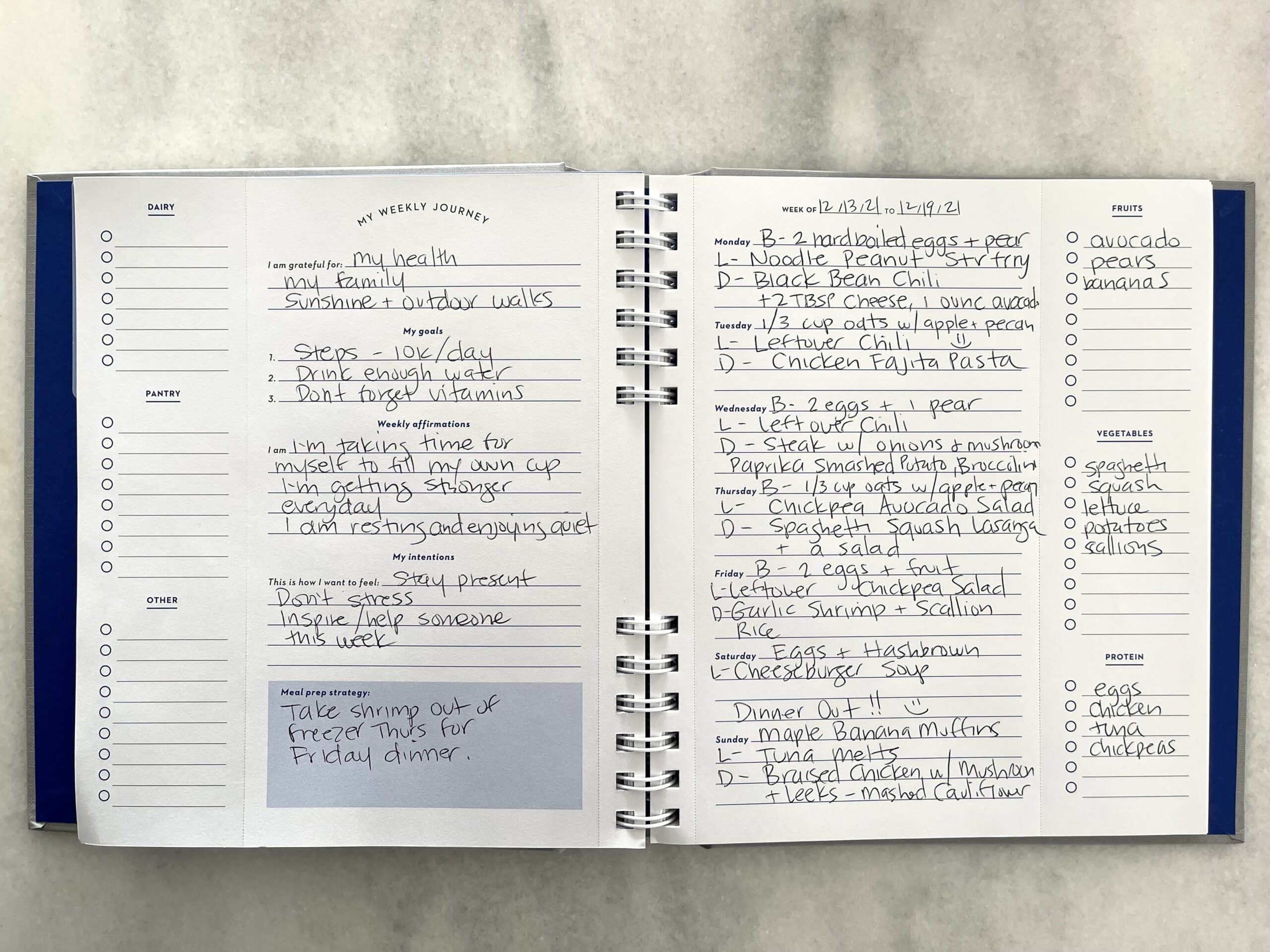
As this latest 7-day high-protein plan is rolled out, the focus remains on providing clear, actionable, and adaptable guidance. By blending the comforts of fall flavors with the science of protein-centric nutrition, the initiative offers a practical pathway for those looking to refine their eating habits. Whether a user is interested in the specific recipes provided or simply looking for a structure to guide their own meal planning, the emphasis on flexibility, professional nutritional awareness, and community support remains the cornerstone of the approach. For those ready to begin, the provided comprehensive shopping list serves as a final, practical bridge between the theory of the plan and the reality of the kitchen.