
It is remarkable how far automotive technology has advanced over the past several decades. Looking back at the engineering standards of the 1960s, few could have predicted that modern production vehicles would regularly achieve outputs of 100 horsepower per liter—a feat showcased by modern powerplants like the Ford Mustang Dark Horse and its 5.0-liter V8 engine. Similarly, once-exclusive technologies like adaptive dampers have trickled down into everyday luxury and performance segments, appearing on vehicles such as the Acura Integra A-Spec with the Technology Package.
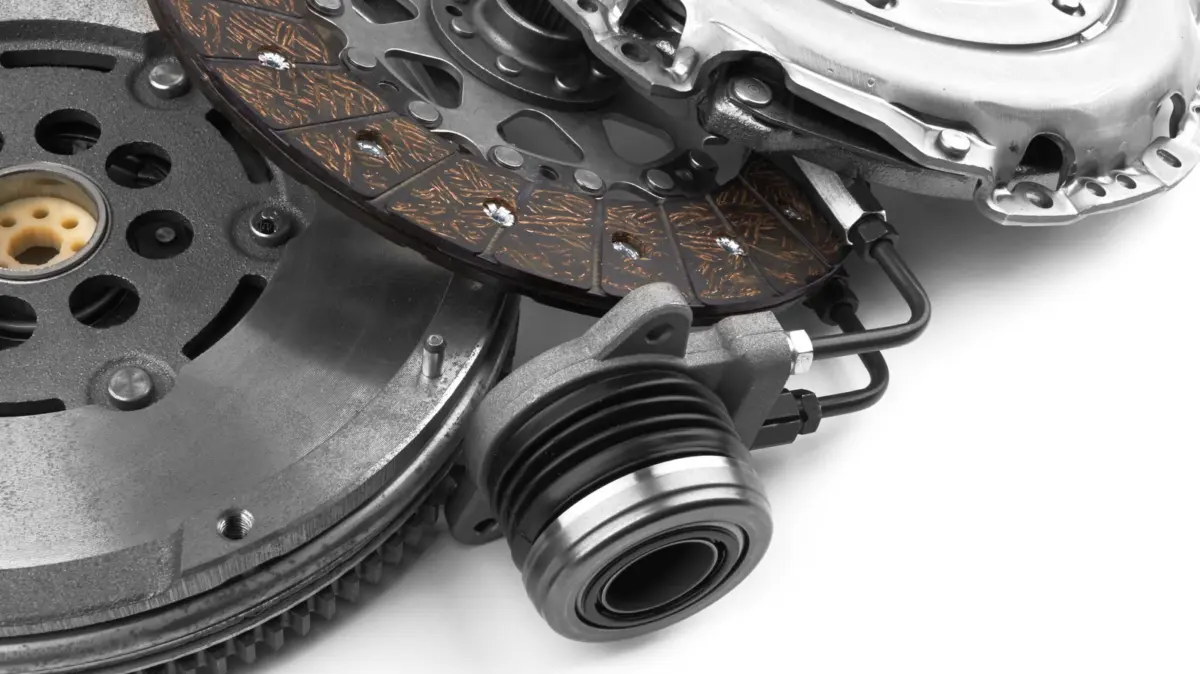
Yet, amid sweeping innovations in engine management, aerodynamics, and suspension geometry, one fundamental mechanical component often goes overlooked: the mechanism used to actuate the clutch between an engine and a manual transmission. While the underlying mechanical principles of a manual gearbox have remained relatively straightforward over the generations, the way drivers command the clutch has undergone a quiet revolution. Over time, the automotive industry largely abandoned traditional cable-operated clutches in favor of hydraulically actuated systems, transforming the daily driving experience in several significant ways.
The industry-wide shift from cable clutches to hydraulic setups was driven by a desire for smoother engagement, more consistent pedal feel, and easier mechanical packaging within increasingly crowded engine bays. Hydraulic systems also excel at compensating for normal component wear over the lifespan of a vehicle. However, this technological evolution is not without its drawbacks. Anyone who has ever wrestled with a rounded or stuck clutch bleeder nipple knows that hydraulic systems can present frustrating maintenance hurdles, even if a total hydraulic failure or a dropped clutch pedal brings an entirely different level of roadside stress. Examining the engineering choices behind both designs reveals a fascinating study in automotive compromise.
A Closer Look at the Pros and Cons of Hydraulic and Cable Clutches
When enthusiasts and automotive engineers weigh the merits of different clutch actuation methods, hydraulic systems consistently win praise for their smoother and more isolated engagement. In a traditional cable-operated setup, a physical steel wire connects the clutch pedal directly to the clutch fork. This configuration often introduces a degree of slack, friction, and mechanical play, meaning there is frequently noticeable linkage movement before the clutch actually begins to load. By contrast, a hydraulic system relies on incompressible fluid transferring pressure from the master cylinder at the pedal to the slave cylinder at the transmission. This direct fluid transfer matches every millimeter of driver foot movement with a calculated and proportional clutch motion, resulting in a significantly more precise and predictable pedal feel.
Beyond pedal behavior, there are substantial packaging advantages that favored the adoption of hydraulic clutches. Traditional cable clutch assemblies can be cumbersome and difficult to route through modern engine bays, particularly in high-performance vehicles where exhaust headers, turbochargers, and complex wiring harnesses already compete for precious space. The flexible tubing used in hydraulic systems allows manufacturers to route fluid lines cleanly around obstacles, avoiding sharp bends that could otherwise bind a mechanical cable.
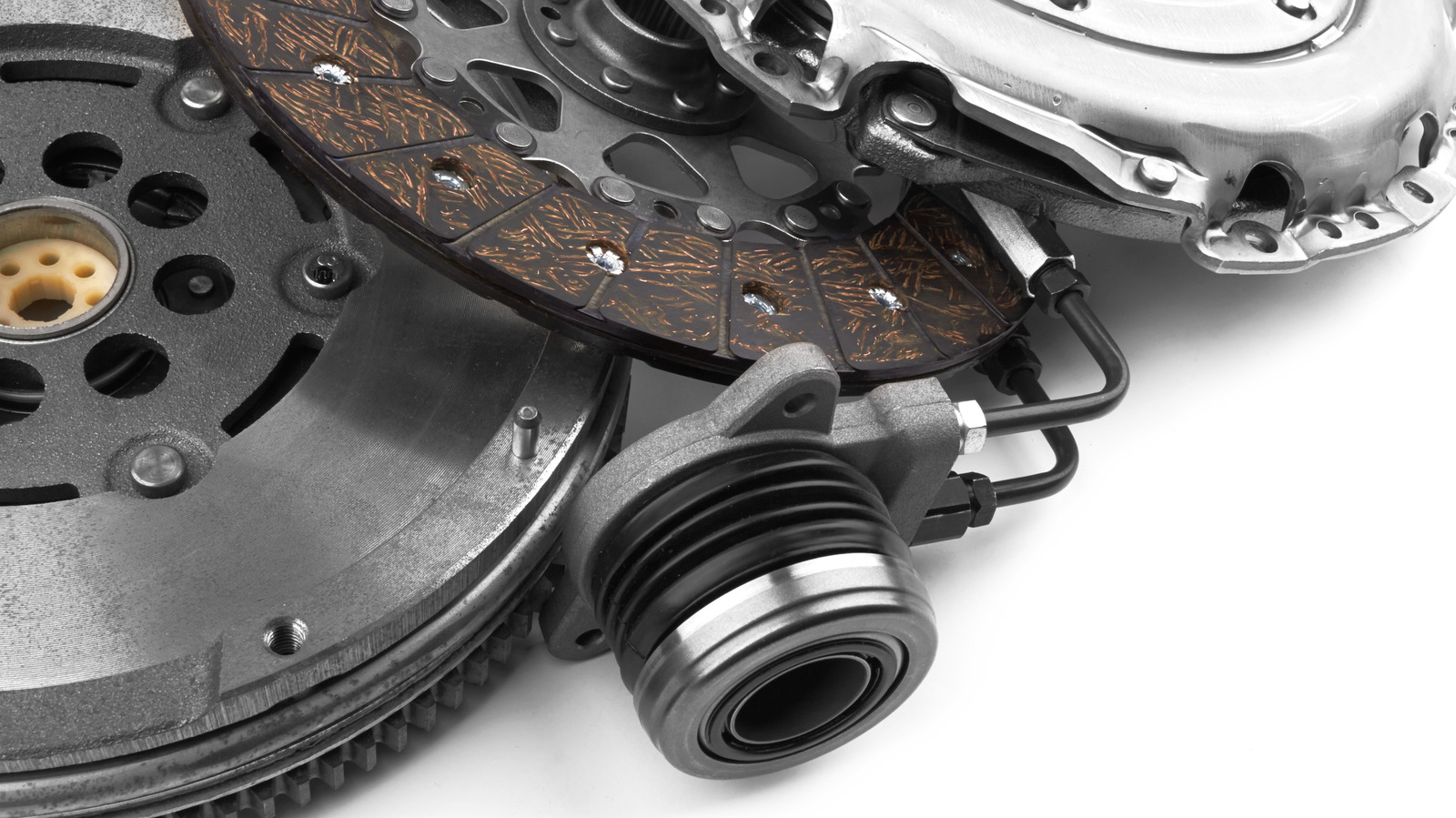
Furthermore, hydraulic clutches generally require less physical effort from the driver. Because the system relies on hydraulic mechanical advantage rather than a direct physical pull against heavy pressure plate springs, internal friction is significantly reduced. This makes stop-and-go driving noticeably less fatiguing in modern manual cars compared to their older cable-driven counterparts. Hydraulic units also frequently feature self-adjusting mechanisms that automatically compensate for friction disc wear as the vehicle ages. This self-calibration ensures that the pedal travel and engagement point remain remarkably uniform throughout the life of the clutch.
Despite these clear engineering advantages, hydraulic clutches introduce their own set of potential complications. Because the system relies on pressurized fluid moving through flexible lines, master cylinders, and slave cylinders, there are inherent points of potential leakage. A failing seal can lead to a sudden loss of pressure, leaving the driver with a limp pedal and no way to disengage the transmission.
Maintenance can also become complicated. When a hydraulic system requires bleeding to remove trapped air, technicians or do-it-yourselfers must contend with the bleeder nipple. If this small component becomes seized due to corrosion or gets rounded off during an attempted repair, a routine maintenance procedure can quickly escalate into a frustrating ordeal requiring replacement parts.
Cable clutches, however, come with their own distinct set of maintenance demands and operational quirks. Over time, mechanical cables are prone to stretching, fraying, and binding within their protective sleeves. As a cable ages and accumulates dirt or corrosion, the friction inside the housing increases, resulting in a stiffer pedal feel, a less precise engagement point, and a gritty sensation underfoot. While some later-model vehicles utilized self-adjusting cable mechanisms to offset this wear, the vast majority of cable-operated systems required periodic manual adjustments to maintain proper clutch free-play.
Ultimately, when evaluating the long-term evolution of the manual transmission, the industry’s widespread migration toward hydraulic actuation represents a clear step forward in technological refinement, trading the mechanical friction and wear vulnerabilities of steel cables for the fluid precision and consistent performance of hydraulics.