
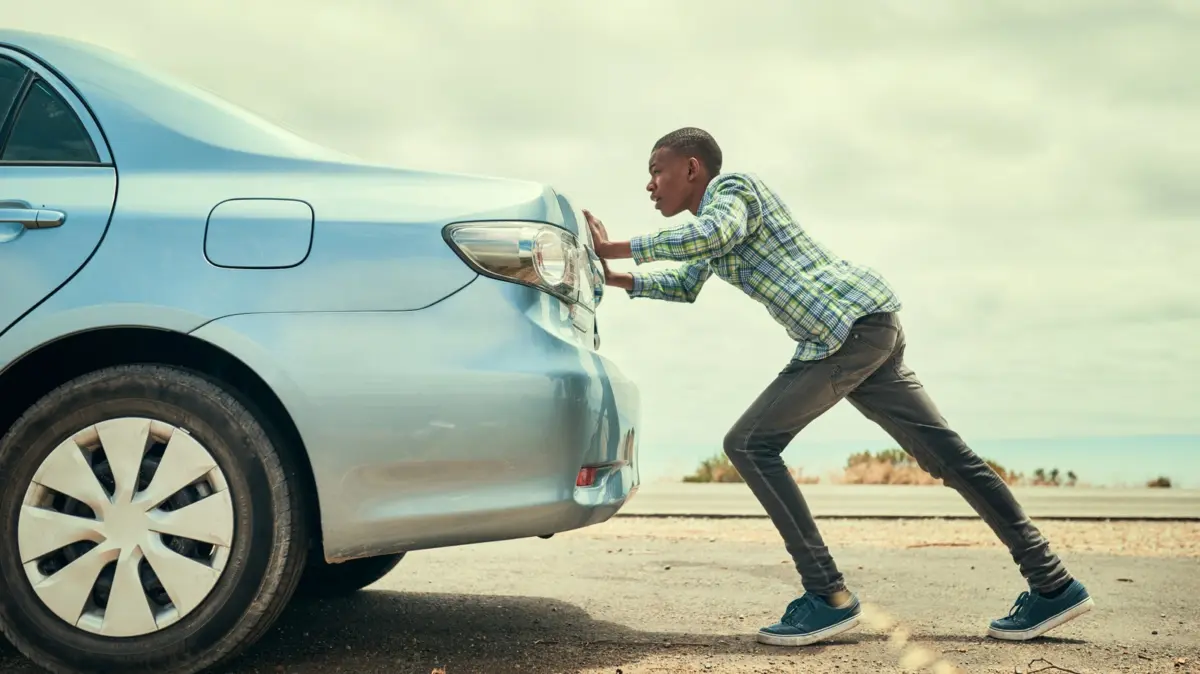
There are a litany of things more terrifying that could happen to you while operating a motor vehicle than simply being stranded on the side of the road. Mechanical failures are undeniably scary and a massive inconvenience, of course, but imagine that beat-to-hell Nissan Altima you have been nervously keeping at a distance of two to five car-lengths suddenly matching your speed right beside you on the highway, or coming up hot behind you at a moment when you need to execute a sudden, unexpected stop. The unpredictability of modern traffic creates a constant baseline of driving anxiety, yet the distinct vulnerability of a roadside breakdown remains a universal fear for motorists everywhere.
Many drivers harbor a specific, lingering dread of being disabled in a lane of traffic or on a narrow highway shoulder. Part of that fear often stems from cautionary tales heard over a lifetime—stories about highway patrolmen or stranded motorists being tragically struck by passing traffic during routine traffic stops. Consequently, parking on the side of a busy thoroughfare, even when a vehicle is actively dying, can feel like a high-stakes and perilous enterprise at best. For female motorists, the fear of being stranded is frequently compounded by the unwanted attention a disabled vehicle can attract on desolate stretches of highway or unfamiliar city streets.
Fortunately, the ubiquitous availability of modern cell phones and smartphones has made getting stranded for long periods of time a much less common reality in the twenty-first century. If you happen to experience a mechanical failure somewhere with a reliable cellular signal—which covers the vast majority of places these days—assistance is usually just a phone call or a tap away. Drivers can quickly summon a professional towing service, roadside assistance, or a helpful friend or family member to come bail them out of a tight spot. However, this level of digital connectivity is not always guaranteed for every roadside mishap, nor has it always been the norm throughout automotive history. Anyone who remembers the pre-cell-phone era can readily recall the unique brand of isolation that came with a sudden mechanical failure miles from the nearest payphone.
That reality brings into focus a familiar weekend dilemma for automotive enthusiasts and commuters alike: What is the absolute worst experience you have ever had while being stranded on the side of the road?
Almost Dropping the Ball with a Breakdown in Ohio
To understand the depths of roadside misery, it helps to look back at personal misadventures that tested the limits of patience, weather, and mechanical endurance. At one point in time, a family found themselves facing a classic holiday travel nightmare when their grandparents moved within driving distance of their childhood home. The annual routine involved a father packing his three children into a spacious Cadillac and embarking on a grueling, cross-country drive spanning more than 600 miles of highway from Michigan down to Alabama during extended school breaks, such as summer vacation or the Christmas holidays.
For one particular holiday season, the return trip home was scheduled for a bitterly cold New Year’s Eve, setting the stage for an unforgettable winter ordeal. The automotive troubles began not long after the father handed over driving duties to his brother. The father was enjoying a well-deserved break, having been behind the wheel since the earliest hours of the morning before 6 a.m., and decided to let his brother navigate the flat, desolate, and freezing roads of Ohio as the afternoon waned.
At some point during the stretch through Ohio, the co-pilot mentioned that it felt like icy air was inexplicably blowing into the cabin of the Cadillac. Along with the drafty interior, intermittent power issues began to plague the luxury sedan. The father, who happened to be a trained mechanic, quickly diagnosed that something was amiss and directed the driver to steer the limp car toward a nearby rest stop so he could thoroughly investigate the source of the trouble.
Upon inspection, the diagnosis was clear and definitive: the water pump had pumped for its very last time. Under normal circumstances, a failed water pump is an inconvenience, but it is ultimately a fixable mechanical issue that can be resolved with the right parts and tools.
Except that, in this specific instance, it was entirely unfixable in the moment. Even though the calendar had flipped to the early 2000s and the family possessed a basic cellular phone capable of making voice calls, the reality of the timing worked firmly against them. Every local auto parts store, repair shop, and service garage had already closed its doors early for the impending New Year’s Eve celebrations. Suddenly, a traveling party of five—three of whom were young children—found themselves completely stranded in the freezing Ohio winter with a dead car.
The logistics of escaping the situation required immense patience and resourcefulness. Although the exact details of how the father secured a rescue remain slightly hazy in memory, it involved what felt like hours of flipping through the pages of a physical Yellow Pages phone directory and making a flurry of frantic phone calls. Eventually, they were able to secure the help of a rare station wagon taxi to transport them.
The family piled into the taxi with whatever small fraction of luggage could physically fit alongside the five passengers, leaving the crippled Cadillac behind as they finished the final few hours of their exhausting journey. One can only imagine that the final fare for a long-distance holiday taxi ride was astronomically expensive. True to form, by New Year’s Day, the father enlisted a dedicated family friend with a flatbed tow truck to take him all the way back out to Ohio to retrieve the abandoned car so he could install a new water pump and get it roadworthy again before returning to his normal work schedule.
Stories of mild mechanical failures and holiday travel disruptions are common currency among drivers, but they naturally invite comparisons to far more desperate roadside moments. The threshold for automotive misery leaves plenty of room for escalation. Drivers are left to ponder whether they have ever had to resort to hitchhiking home in the dark, or if they happen to find themselves still currently stuck somewhere out on the highway as they read about the misfortunes of others.