
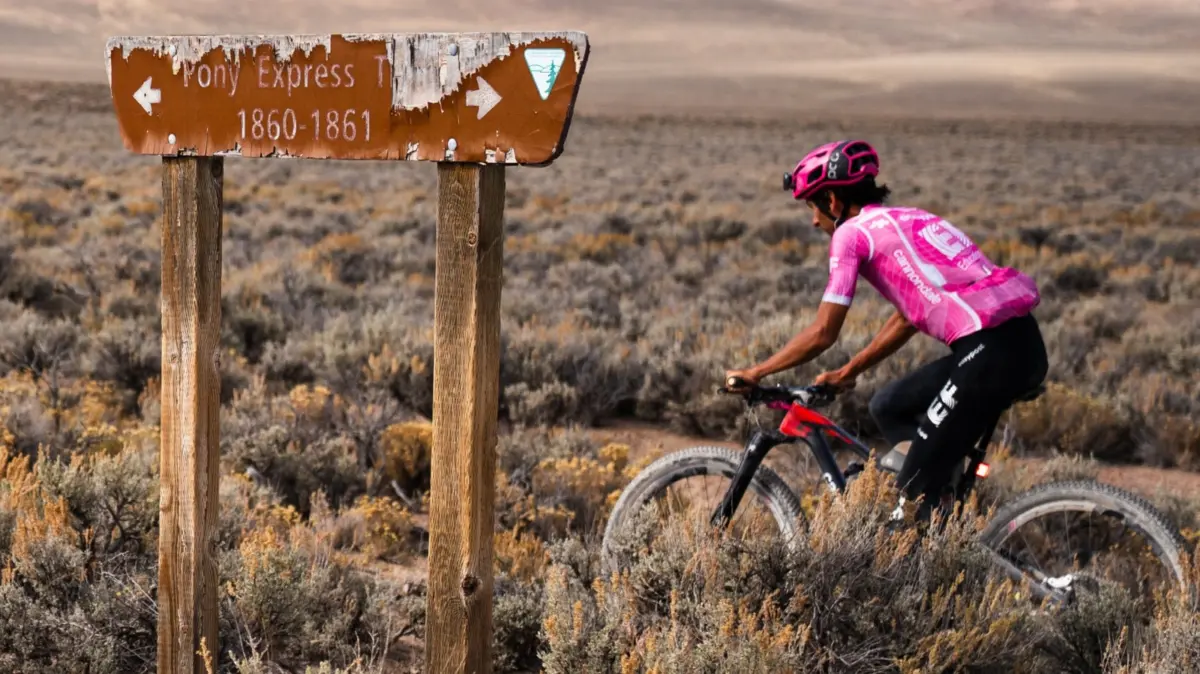
In an era dominated by instant communication, high-speed rail, and global digital connectivity, the physical expanse of the United States remains vast and formidable. Recently, Australian professional cyclist Lachlan Morton chose to measure himself against that very expanse in a unique endurance feat, riding the historic route of the Pony Express. In doing so, he not only completed an arduous 1,966-mile odyssey across rugged terrain but also shattered a historic benchmark established more than a century and a half ago.
Morton completed the grueling cross-country route in 6 days, 21 hours, and 15 minutes. His remarkable time bested the historic 1861 record—set by the relay riders who carried Abraham Lincoln’s inaugural address all the way to California—by an impressive 19 hours and 45 minutes. This monumental endurance run served as Morton’s fitting farewell from EF Education-EasyPost, widely recognized as the only American-licensed team on the elite UCI World Tour.
For modern observers seeking historical context, the Pony Express remains one of the most romanticized yet short-lived chapters in American infrastructure. Founded in 1860, the mail service was created to bridge a critical communication gap by carrying letters between St. Joseph, Missouri, and Sacramento, California, in a target window of ten days or less entirely by horseback. At the time of its inception, St. Joseph marked the absolute westernmost terminus of the United States railroad system. Anyone wishing to cross the mighty Missouri River and venture further west into the untamed frontier had to do so by arduous overland means: on foot, in the saddle of a horse, or packed tightly into a swaying stagecoach.
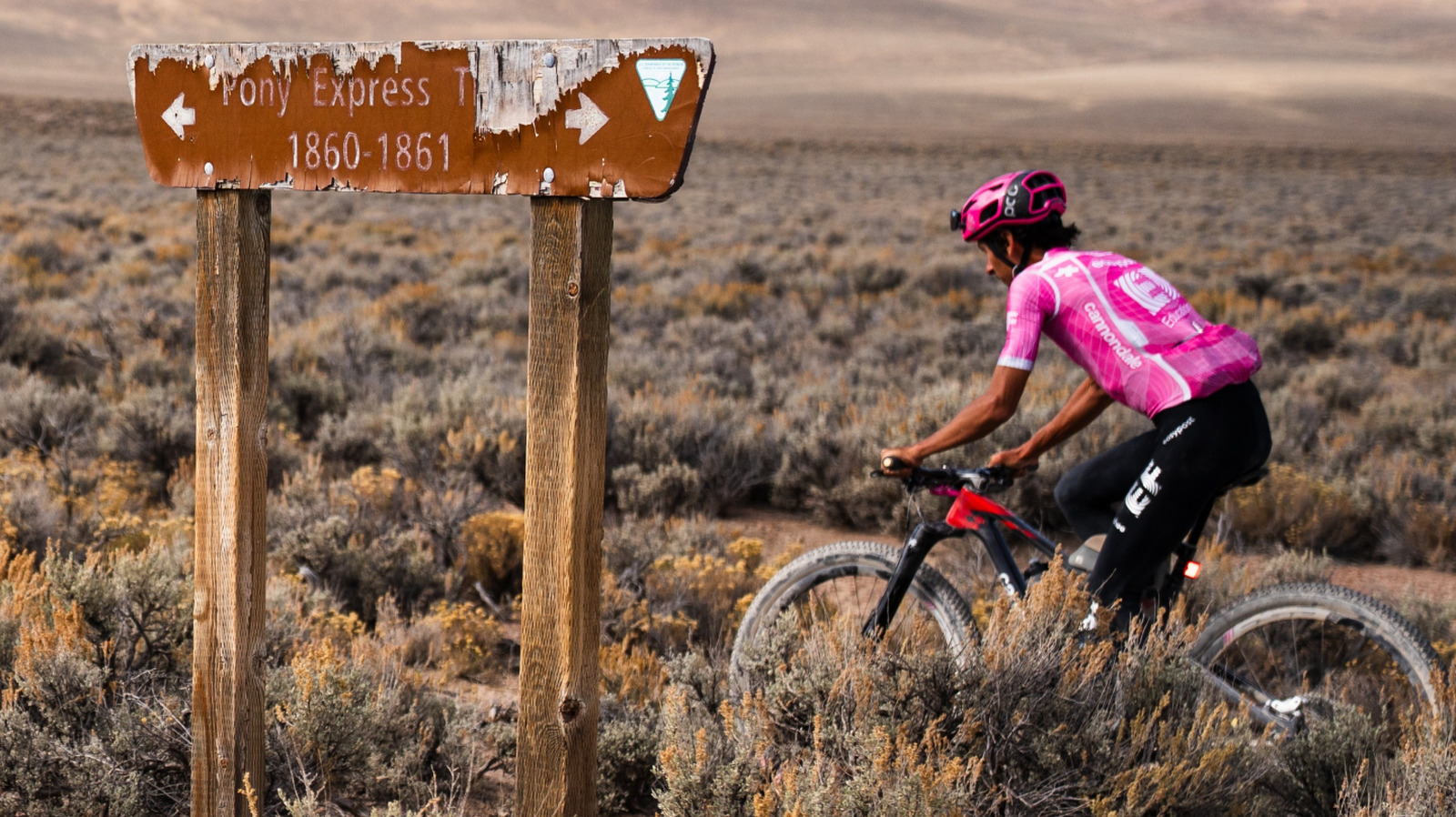
The massive population boom in California catalyzed by the 1848 gold rush created an urgent, unprecedented demand for rapid, coast-to-coast communication. Yet, despite capturing the national imagination, the Pony Express was never a financially viable enterprise. According to historical records maintained by the Smithsonian Institution, the service charged an exorbitant initial rate of $5.00 per half-ounce—costly even on top of standard postage fees—making it a luxury service rather than a mass communication tool.
Operating under intense economic pressure, the venture lasted a mere 18 months. It ultimately became entirely obsolete and filed for bankruptcy in October 1861, immediately following the completion of the first transcontinental telegraph line. Over its brief lifespan, the iconic mail service delivered approximately 35,000 letters, bridging an ocean of wilderness before technology rendered horse-and-rider relays a relic of the past.
Different Horses for Different Courses
The enduring legend of the Pony Express looms remarkably large despite its fleeting existence, largely because the daily work demanded extraordinary bravery from those who undertook it. Operating across the hazardous and isolated expanses of the American West, the riders—predominantly young men and teenagers—became legendary figures of courage, endurance, and fortitude.
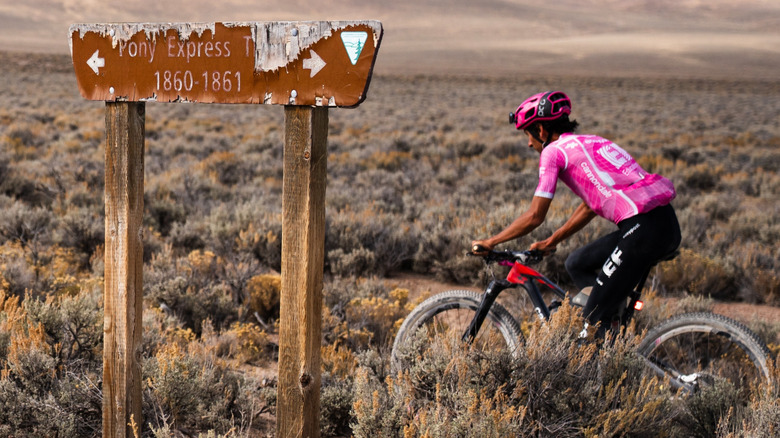
Reflecting on the psychological weight of the historic route, Morton shared insight into the mindset of the original riders: "The appeal for me is the history of it. It’s wild to get into that mindset—you’re a kid trying to make some money, and there’s this opportunity to ride a horse with a mochila full of mail through the night for 75 miles flat out, across remote, gnarly terrain that no one else has been crossing. It’s quite a courageous thing. It’s hard to imagine, and that’s why I want to go out there and try to get a better understanding of what that would have been like, and the difficulties they faced doing it over 150 years ago."
To honor the spirit of the historic undertaking, Morton purposefully approached the route with a methodology that mirrored the logistical strategy of the original operation. The historic Pony Express relied on fixed relay stations spaced roughly a dozen miles apart, allowing riders to constantly jump onto fresh mounts to maintain an unrelenting pace. Because significant portions of the original 1,966-mile route remain unpaved today, Morton adapted by dynamically switching between a road bike, a gravel bike, and a mountain bike depending on the shifting terrain beneath his tires. Rather than utilizing stationary posts, his support crew from EF Education-EasyPost shadowed him closely in a dedicated truck carrying his fleet of "fresh" bikes, ready to swap equipment whenever the trail demanded a different machine.
It Was About the Journey, Not the Destination
The grueling ride to Sacramento presented every bit of the physical challenge Morton anticipated. As he pushed westward, he had to navigate and dodge treacherous mud patches across Nebraska, battle relentless, exhausting headwinds sweeping through Wyoming, and carefully avoid freezing temperatures while ascending the high-altitude mountain passes over the Rockies. Later in the journey, he found himself pedaling through thick, powdery "moon dust" across the deserts of Nevada.

Further complicating the final stretch were mounting meteorological anxieties that Hurricane Rachel might bring severe, high-speed winds and potentially wash out the mountain passes during his final day traversing the formidable Sierra Nevada range. Fortunately, the weather held dry, allowing Morton to safely complete his push and roll triumphantly up to the historic Pony Express Terminal in Sacramento.
Throughout the endeavor, Morton embraced the inherent struggles of the route, taking time to connect with local residents along the way who offered enthusiastic support and shared immense pride in their local communities. To keep supporters engaged, EF Education-EasyPost broadcasted the Australian cyclist’s live GPS tracking data throughout the attempt. This digital engagement inspired enthusiastic "dot-watchers" to travel out and ride alongside Morton for various stretches of the route to show their solidarity, including a dedicated Dutch fan who was studying abroad at the University of Wyoming.
Ultimately, both the legendary 19th-century mail service and Morton’s modern record-breaking ride stand as testament to a defining element of the American psyche: the enduring human drive to conquer vast distances, a pursuit that has shaped the nation for well over 160 years.