
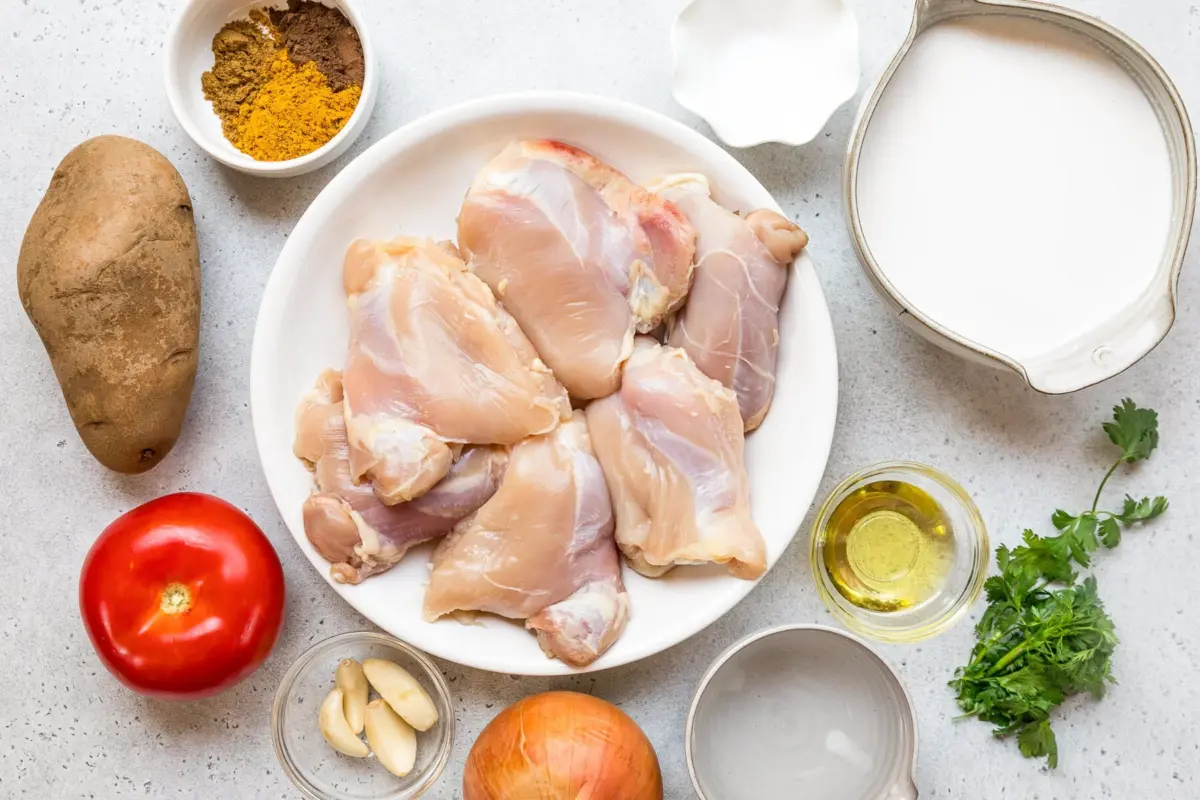
In the landscape of modern home cooking, certain recipes transcend the fleeting nature of internet trends. Among these is a signature chicken curry that has anchored many kitchens for years, representing the intersection of traditional spice profiles and the practical demands of a contemporary lifestyle. This particular dish, which features a harmonious blend of tender chicken thighs, hearty potatoes, and a fragrant coconut milk base, serves as a testament to the enduring appeal of simple, one-pan comfort food.
Long before the rise of specialized food platforms and digital culinary archives, this curry was a staple in home kitchens, passed down through personal connections rather than search algorithms. The recipe relies on a foundational understanding of aromatics and heat, utilizing a combination of curry powder, garam masala, and cumin to build a complex flavor profile. The inclusion of bone-in chicken thighs provides a depth of flavor that is often lost in leaner cuts, while the potatoes act as a canvas, soaking up the spiced coconut sauce during the simmering process.
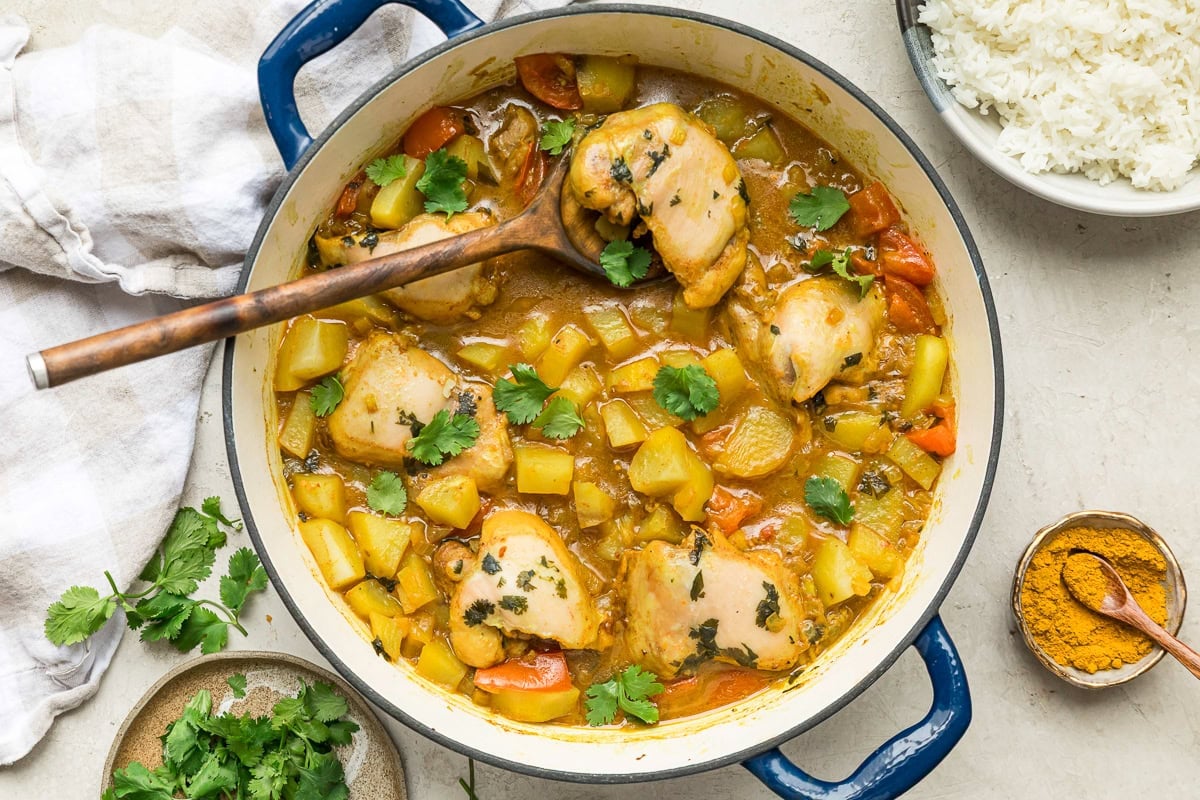
The philosophy behind this dish centers on the balance between indulgence and accessibility. While the richness of coconut milk provides a luxurious mouthfeel, the technique remains straightforward enough for a weeknight dinner. By simmering the components together in a single vessel, the dish encourages the infusion of spices into the meat and vegetables, resulting in a cohesive meal that is traditionally served over fragrant basmati rice. This method ensures that the sauce—the heart of the dish—is fully utilized, with the rice acting as an ideal vehicle for the flavorful liquid.
Understanding the Flavor Foundation
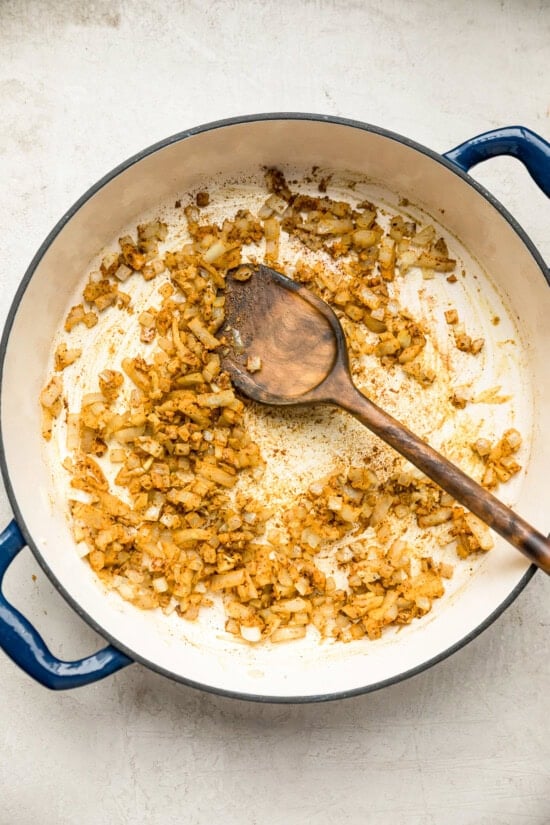
The success of this curry lies in the careful layering of ingredients. The process begins by sautéing onions, garlic, and a curated selection of spices. This initial step is critical; it is where the raw spices are "bloomed" in fat, releasing essential oils and creating a fragrant base that permeates the entire dish. This is not merely a task of cooking, but a fundamental chemical process that transforms individual elements into a unified aromatic profile.
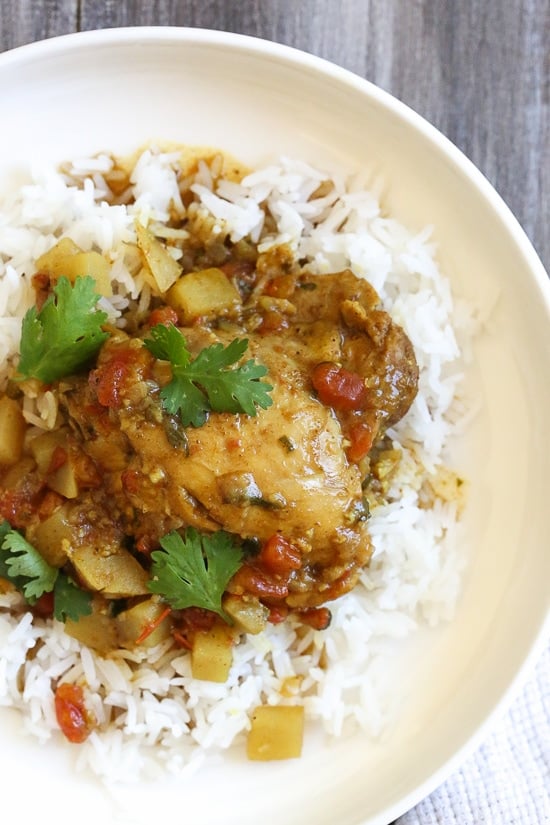
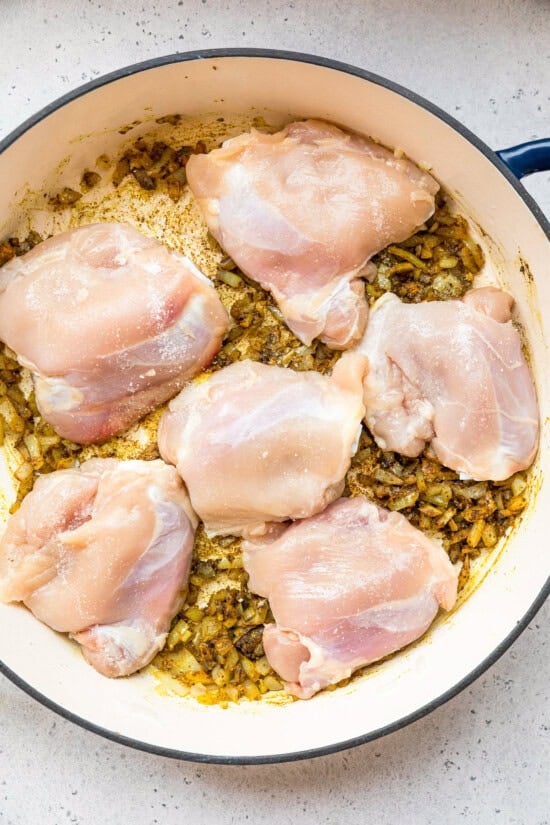
The choice of chicken thighs is a deliberate one. Unlike breast meat, which can become stringy during the extended simmering required for a proper curry, bone-in thighs remain succulent and tender. The fat rendered from the chicken contributes to the overall body of the sauce, working in tandem with the coconut milk to provide a velvety texture. Similarly, the potatoes serve a dual purpose: they add texture and substance, making the dish a complete meal, and they perform the role of a sponge, absorbing the spicy, aromatic broth.
For those who frequently engage in home cooking, the versatility of such a recipe is paramount. The ability to calibrate the level of heat—ranging from mild and warming to bold and fiery—allows the cook to customize the experience based on personal preference or the palates of family members. This adaptability is perhaps why the dish has remained a recurring favorite, capable of evolving with the tastes of the household while maintaining its core identity.

Culinary Techniques and Practical Execution
Executing this curry effectively requires an appreciation for timing. While the ingredients are modest, the result is dependent on the patience of the cook. The simmering process allows the flavors to meld, ensuring that the spices do not overpower the natural sweetness of the coconut milk or the savory notes of the chicken. When prepared correctly, the sauce should achieve a consistency that coats the back of a spoon, thick enough to cling to the rice but thin enough to remain vibrant and pourable.
In recent years, the integration of modern appliances has slightly altered the preparation landscape. While the traditional stovetop method remains the gold standard for many, the adoption of pressure cookers has introduced a level of efficiency that appeals to busy schedules. By adjusting the cooking times and liquid ratios, the essence of the dish can be preserved even under the accelerated conditions of pressure cooking. This flexibility demonstrates how a classic recipe can remain relevant in an era defined by time-sensitive meal preparation.

Professional culinary perspective suggests that the most important element of any curry is the quality of the spices. Freshness is key, as the potency of ground spices diminishes over time. Storing them in a cool, dark place and purchasing them in quantities that can be used within a reasonable timeframe is a simple change that significantly elevates the final output. Furthermore, the practice of searing the aromatics before adding the liquids ensures that the base of the dish is robust, providing a foundation that can stand up to the richness of the coconut milk.
The Broader Context of One-Pan Cooking
The rise of the "one-pan" dinner is more than just a trend; it is a response to the complexities of modern living. As households look for ways to streamline their culinary routines without sacrificing quality or nutrition, recipes that consolidate preparation and cooking into a single vessel have become invaluable. This chicken curry fits perfectly into that paradigm. By reducing the number of pots and pans involved, the cook minimizes cleanup time, which is often the primary barrier to home cooking.
Furthermore, the nutritional profile of this dish offers a balanced intake of protein and carbohydrates, provided by the chicken and potatoes respectively. With approximately 24 grams of protein per serving and a moderate calorie count of around 213 kcal, it serves as a nutrient-dense option that does not feel restrictive. This balance is frequently sought by those monitoring their dietary intake while still desiring a satisfying, flavorful meal.
For those looking to expand their repertoire, this curry serves as a gateway to broader culinary exploration. It introduces the user to the foundational techniques used in many South Asian cuisines—the building of an aromatic base, the tempering of spices, and the emulsification of sauces. Once a cook masters this basic framework, they can begin to experiment with variations, perhaps by adding seasonal vegetables, different protein sources, or adjusting the spice profile to lean more toward a specific regional style.
Storage and Sustenance
A common question regarding dishes of this nature concerns their longevity. Like many stews and curries, this dish often improves in flavor after sitting for a day, as the ingredients continue to marry and deepen in complexity. Proper storage is essential; once the dish has cooled to room temperature, it should be refrigerated in an airtight container. When reheating, it is often beneficial to add a splash of water or broth to loosen the sauce, as the starches from the potatoes and the fats in the coconut milk will cause it to thicken significantly in the refrigerator.
This durability makes it an excellent candidate for meal prepping. The ability to prepare a large batch on a weekend and have it ready for consumption throughout the week is a cornerstone of efficient kitchen management. As the original recipe serves six, it is well-suited for family gatherings or for individuals looking to stock their freezer with high-quality, homemade meals.
Ultimately, the enduring nature of this chicken curry is a reminder that the best recipes are often those that value simplicity and tradition. It does not rely on exotic or hard-to-find ingredients, but rather on the thoughtful combination of everyday staples. By focusing on the quality of the raw ingredients and the patience of the cooking process, the home cook can produce a meal that is both comforting and sophisticated. As food culture continues to evolve, dishes that maintain this level of integrity will continue to hold their place in the culinary rotation, proving that the simplest approaches often yield the most memorable results.