
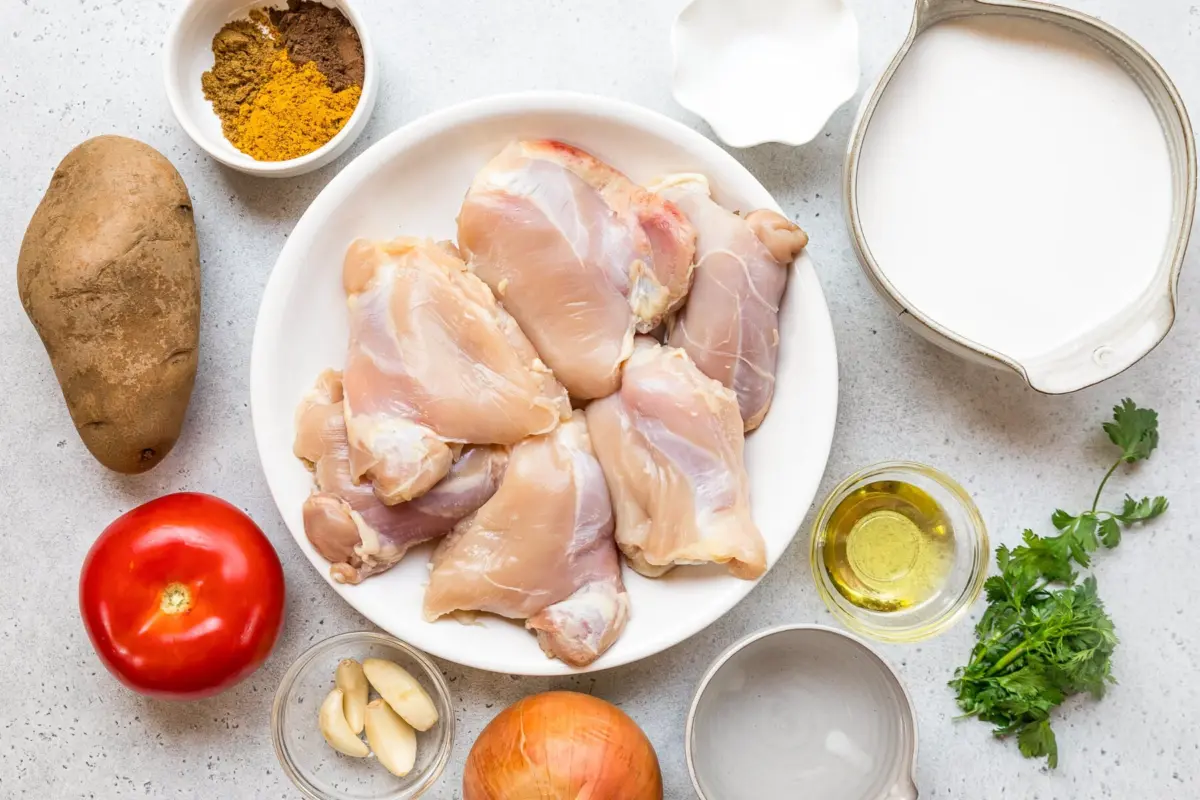
In the modern culinary landscape, where complex recipes often dominate social media feeds and experimental cooking trends come and go, there remains a profound appreciation for dishes that balance simplicity with depth of flavor. One such dish that has stood the test of time is the classic chicken curry with coconut milk. A staple of home kitchens for years, this recipe exemplifies how a handful of pantry essentials—tender chicken, starchy potatoes, and a fragrant blend of warming spices—can transform into a comforting, high-protein meal that feels both sophisticated and deeply familiar.
The history of this particular recipe predates the widespread digital expansion of many popular culinary platforms. Long before the rise of comprehensive food blogs and recipe-sharing ecosystems, this curry was passed down through personal connections, serving as a reliable go-to for those seeking a one-pan solution for busy weeknights. Its enduring popularity lies in its versatility and the way it bridges the gap between traditional spice profiles and the accessible techniques of contemporary home cooking.

The Foundation of Flavor
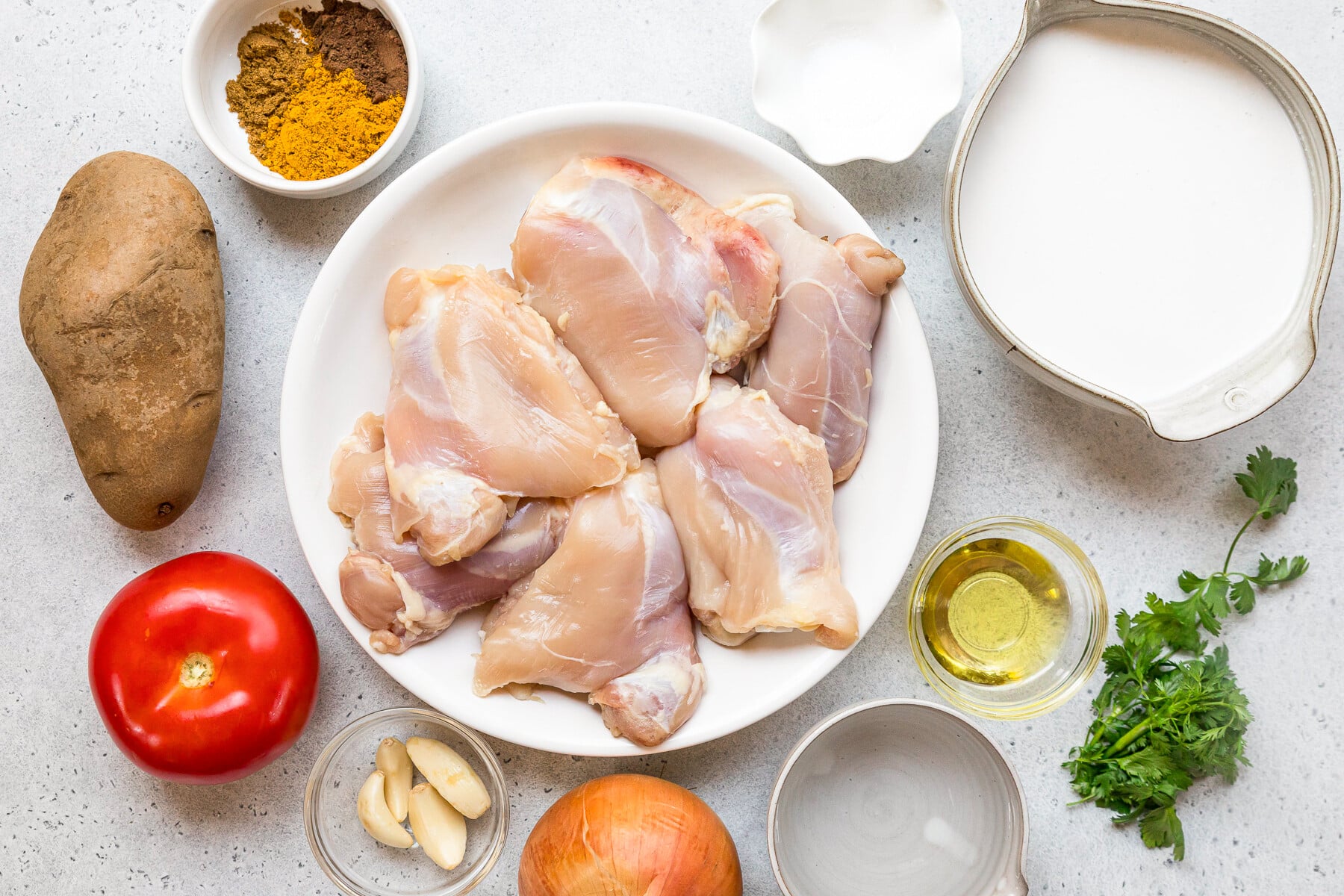
At the heart of any great curry is the base, and this recipe relies on the methodical layering of ingredients to build a complex flavor profile. The process begins with the careful sautéing of aromatics—onions and garlic—which provide the essential foundation. When these are combined with a specific blend of curry powder, garam masala, and cumin, the result is an aromatic bloom that defines the dish’s character.
The choice of protein is equally significant. Many experienced cooks, including those who have championed this recipe for years, emphasize the use of bone-in chicken thighs. While boneless cuts are often prized for their speed, bone-in chicken provides a depth of flavor that is difficult to replicate, as the marrow and connective tissue release essential nutrients and richness into the simmering sauce. By pairing this with potatoes, the dish gains a substantial, satisfying texture. The potatoes act as a sponge, absorbing the coconut-infused tomato sauce, which results in a balanced bite that feels hearty without being overly heavy.
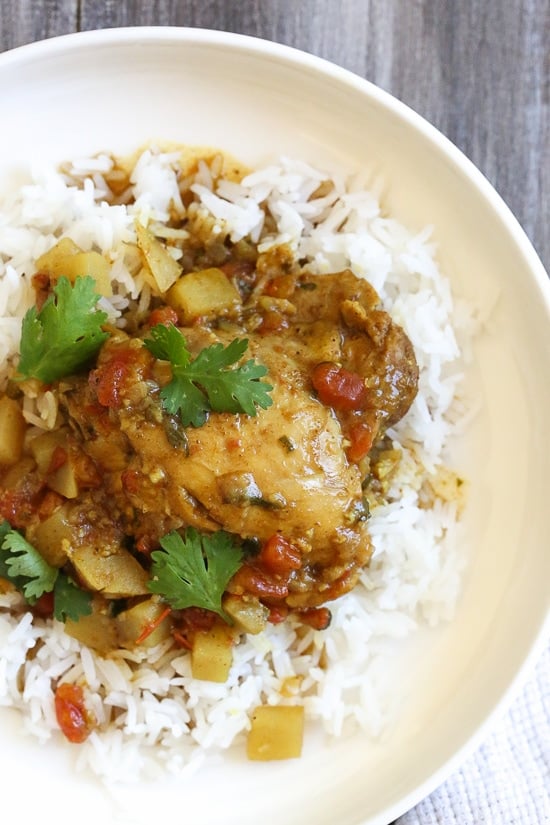
The inclusion of coconut milk is perhaps the most defining element of this preparation. Unlike heavy cream, which can mask the delicate nuances of the spices, coconut milk provides a subtle sweetness and a silky mouthfeel that perfectly complements the warmth of the curry powder. This synergy between the sharp, earthy spices and the creamy, cooling properties of the coconut milk is what makes the dish accessible to a wide range of palates, including those who prefer to keep the spice levels mild.
Precision and Customization in the Home Kitchen
While the recipe is inherently straightforward, it offers significant room for personalization. One of the most common inquiries from home cooks revolves around the management of heat. Because the dish is prepared in a single pan, the cook maintains total control over the intensity of the spices. By adjusting the ratio of curry powder to additional aromatics or incorporating fresh chili, the heat profile can be scaled up or down without compromising the structural integrity of the meal.

The preparation method is designed for efficiency, requiring roughly 15 minutes of active preparation time before the simmering process begins. This efficiency is bolstered by the one-pan nature of the dish, which minimizes cleanup—a major factor in its continued relevance for modern families. Whether prepared on a traditional stovetop or in a pressure cooker to accelerate the breakdown of the chicken and potatoes, the end result remains consistent: a tender, flavorful, and nutritionally dense meal.
Nutritionally, the dish is a strong contender for those looking to maintain a balanced diet. With approximately 24 grams of protein per serving and a relatively moderate caloric footprint of 213 calories, it offers a satiating option that avoids the excess fats often associated with restaurant-style curries. The fiber provided by the potatoes and the aromatics, combined with the lean profile of the chicken, makes it a frequent recommendation for those balancing flavor with dietary goals.

Serving Traditions and Culinary Context
The traditional way to serve this chicken curry remains over a bed of fluffy, steamed basmati rice. The long-grain rice is specifically chosen for its ability to soak up the excess sauce, ensuring that none of the flavorful liquid—which contains the essence of the spices and the chicken—is wasted. This pairing is not merely a matter of convenience; it is a culinary tradition that provides a necessary contrast to the rich, creamy texture of the curry.
Beyond the standard preparation, the recipe has sparked a variety of adaptations over the years. Some home cooks choose to add vegetables like spinach or bell peppers to increase the nutritional density, while others experiment with different types of potatoes or even swap the chicken for plant-based proteins or chickpeas. This adaptability is perhaps the greatest testament to the recipe’s strength; it serves as a template that encourages creativity while remaining fundamentally grounded in its original, successful formula.
As home cooking continues to evolve, the value of such foundational recipes remains high. In an era where many people are looking to reconnect with the kitchen, returning to dishes that rely on simple, high-quality ingredients and straightforward techniques offers a sense of accomplishment. This chicken curry is more than just a dinner option; it is a reflection of a philosophy that prioritizes flavor, efficiency, and the timeless joy of a home-cooked meal. Whether it is being prepared by a long-time enthusiast or someone trying their hand at curry for the first time, the process remains as rewarding as the final, fragrant bowl.
For those who have integrated this dish into their regular rotation, the appeal is clear. It provides a reliable result that feels special enough for a weekend gathering yet simple enough to manage after a long day of work. As the culinary world moves forward, the presence of these classic, dependable recipes ensures that the kitchen remains a place of comfort and discovery.