
Insurance is, at its core, a social contract. When property owners sign up for coverage with carriers like State Farm or Allstate, they are affirming their membership in a collective pool—their premiums subsidize the rebuilding of a neighbor’s burned or flooded home, and that same collective security stands ready to support them in a crisis. Society permits private corporations to market these policies, while voters elect and appoint public regulators to oversee the marketplace and safeguard the interests of everyday homeowners.
That is how the system is designed to function. But it is not how it panned out for Lynn McIntyre.
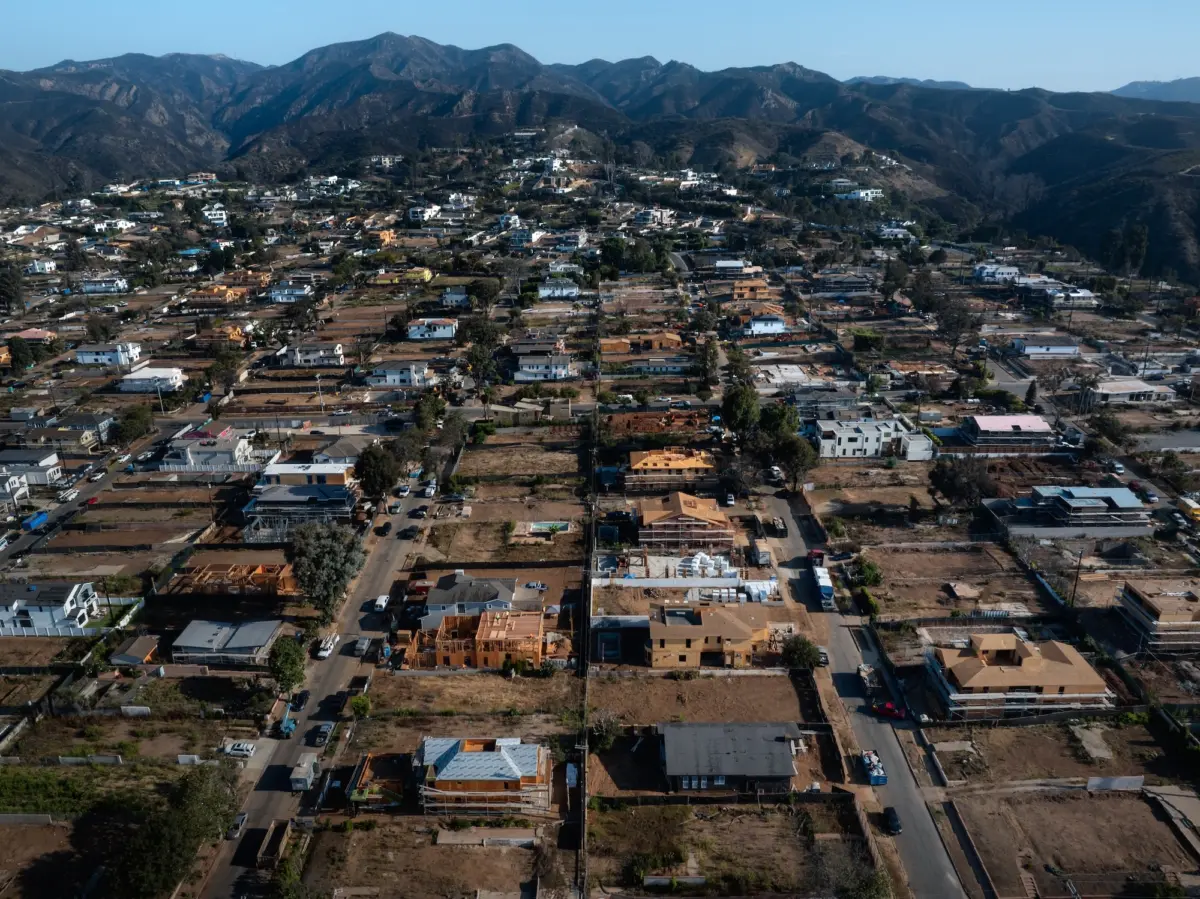
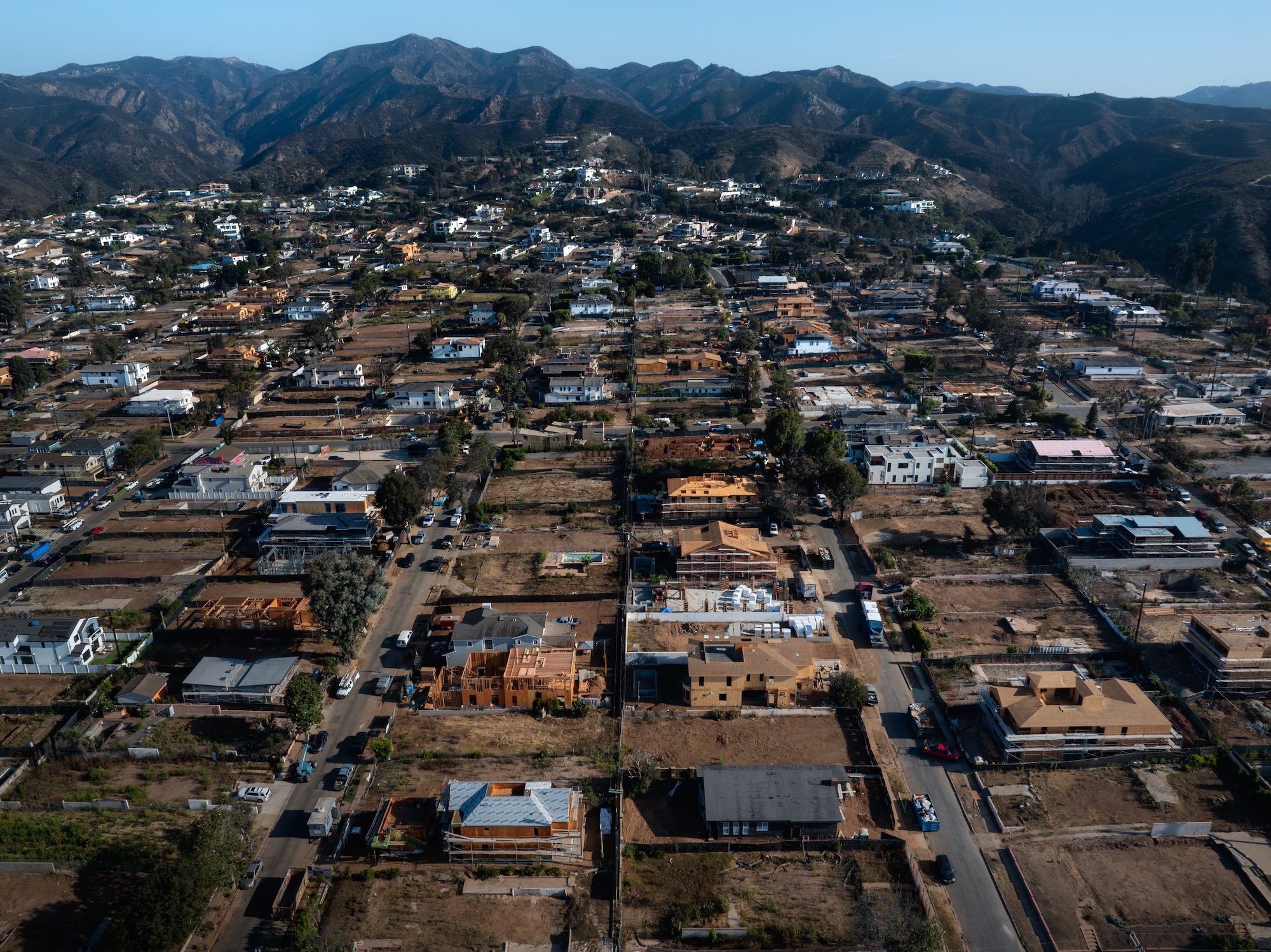
When McIntyre’s mother passed away in 2022, she inherited her longtime home in the "Alphabets," a picturesque neighborhood nestled near the coast in western Los Angeles. McIntyre and her daughter had lived in the bungalow for barely a year when her insurance provider, Liberty Mutual, dropped her fire coverage altogether. Unable to secure an alternative policy through the private market due to the home’s perceived wildfire risk, she was forced to enroll in the California FAIR Plan—the state-backed "insurer of last resort"—slaying an extra $5,000 a year onto the cost of her regular homeowners insurance.
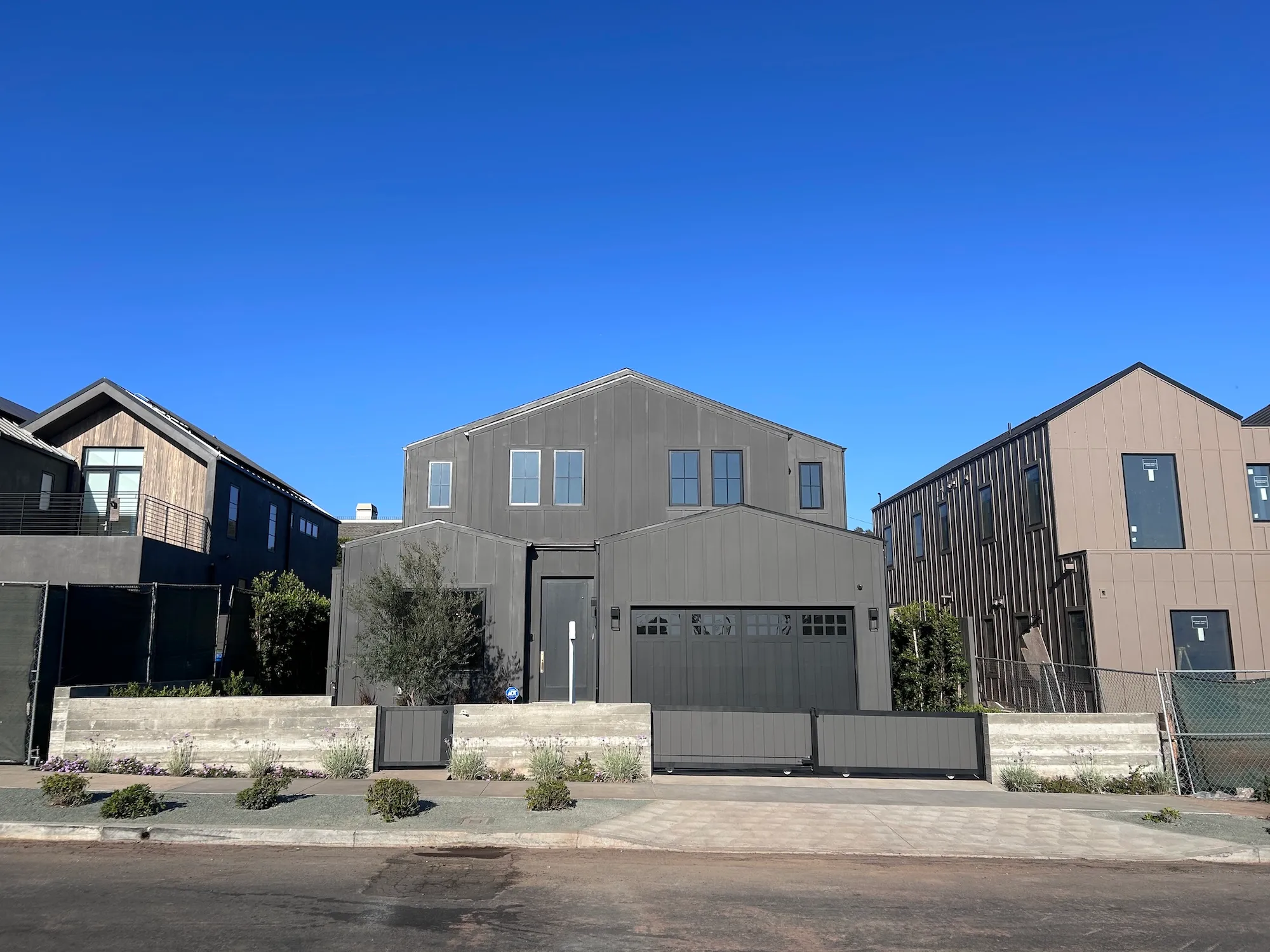
When the Palisades Fire roared through the Alphabet Streets in early 2025, McIntyre’s modest bungalow miraculously remained standing. Yet, the interior was choked with thick smoke and fine ash that had seeped through windows and vents, leaving her belongings hopelessly stained and ruined. Filing a claim with the FAIR Plan proved to be an exercise in frustration. Plan adjusters informed her that she was entitled to temporary rental assistance for an apartment, but little else.
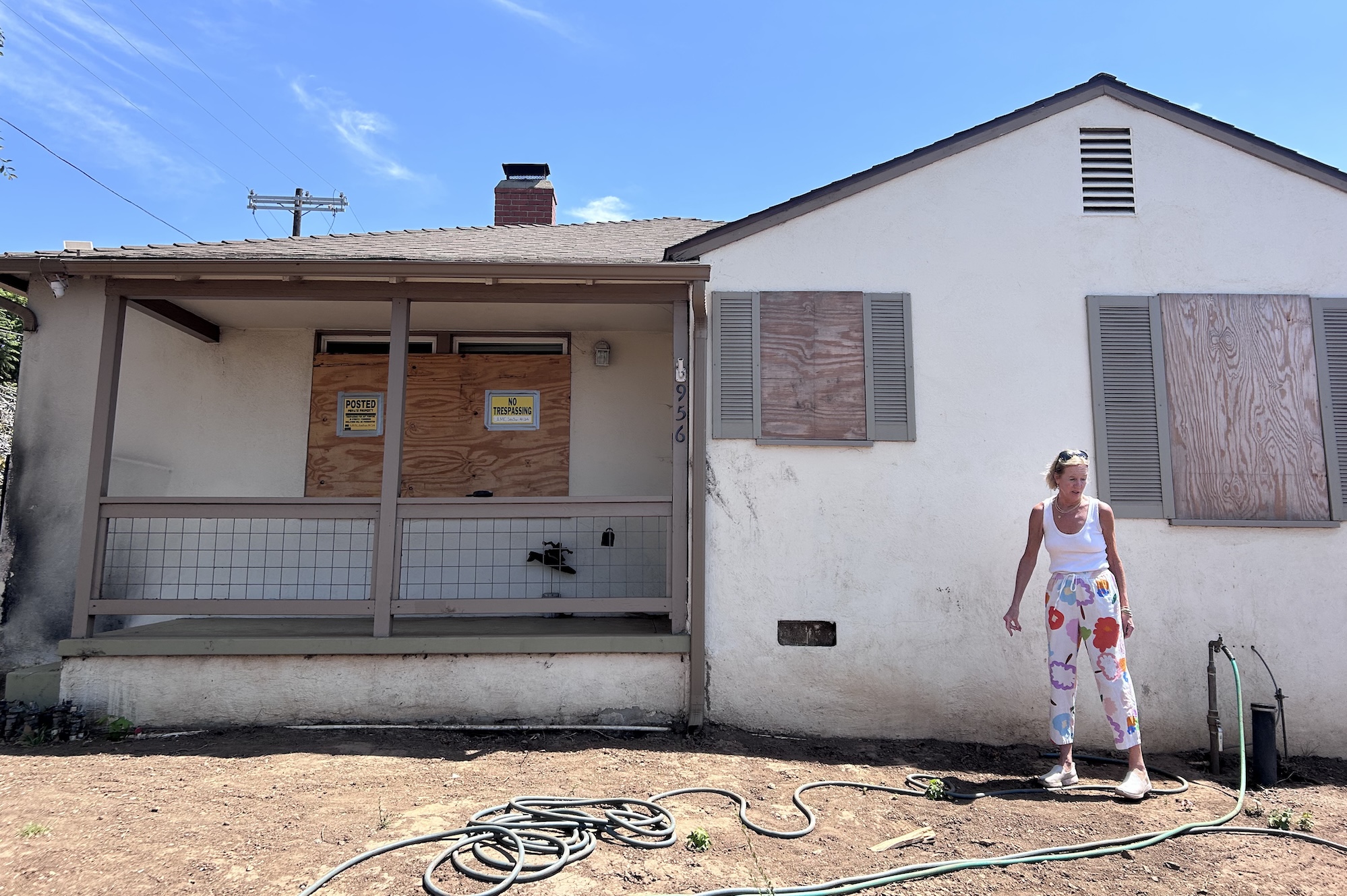
McIntyre, who spent years working as a real estate broker, engaged in a grueling months-long battle against a rotating cast of 10 different adjusters and dozens of FAIR Plan representatives. Her efforts hit a brick wall at every turn. Third-party adjusters she hired were unable to make headway, and her attorney expressed profound bewilderment at the institution’s stubborn obstructionism. While her neighbors steadily cleared away debris and began erecting larger, modern, fire-resilient homes, McIntyre’s smoke-scarred bungalow languished.
It was not until late August—more than 18 months after the wildfire—that she was finally able to begin repairs. The funding did not come from insurance payouts, but rather from a nearly $200,000 federal loan that she will eventually have to repay. To compound her stress, the FAIR Plan attempted to cut off her temporary housing allowance, arguing that power and water had been restored to her neighborhood and demanding that she move back home, ignoring the fact that her windows remained boarded up and her exterior scorched. Meanwhile, Liberty Mutual delivered another blow over the summer, informing her that they were canceling the remainder of her non-fire coverage.
"The next time a fire comes through, I’m just going to light it on fire, because I’m not going to go through this again," McIntyre said wryly while standing in her doorway, the distant clatter of construction equipment echoing off newly rebuilt properties down the block.
The Political Battle Over a Sinking Market
Ensuring that everyday Californians retain access to stable, affordable insurance falls under the purview of an elected official whom many residents have likely never encountered: the insurance commissioner. As one of only eight statewide elected offices in California, the commissioner regulates the corporate entities providing fire, property, and auto coverage across the state.
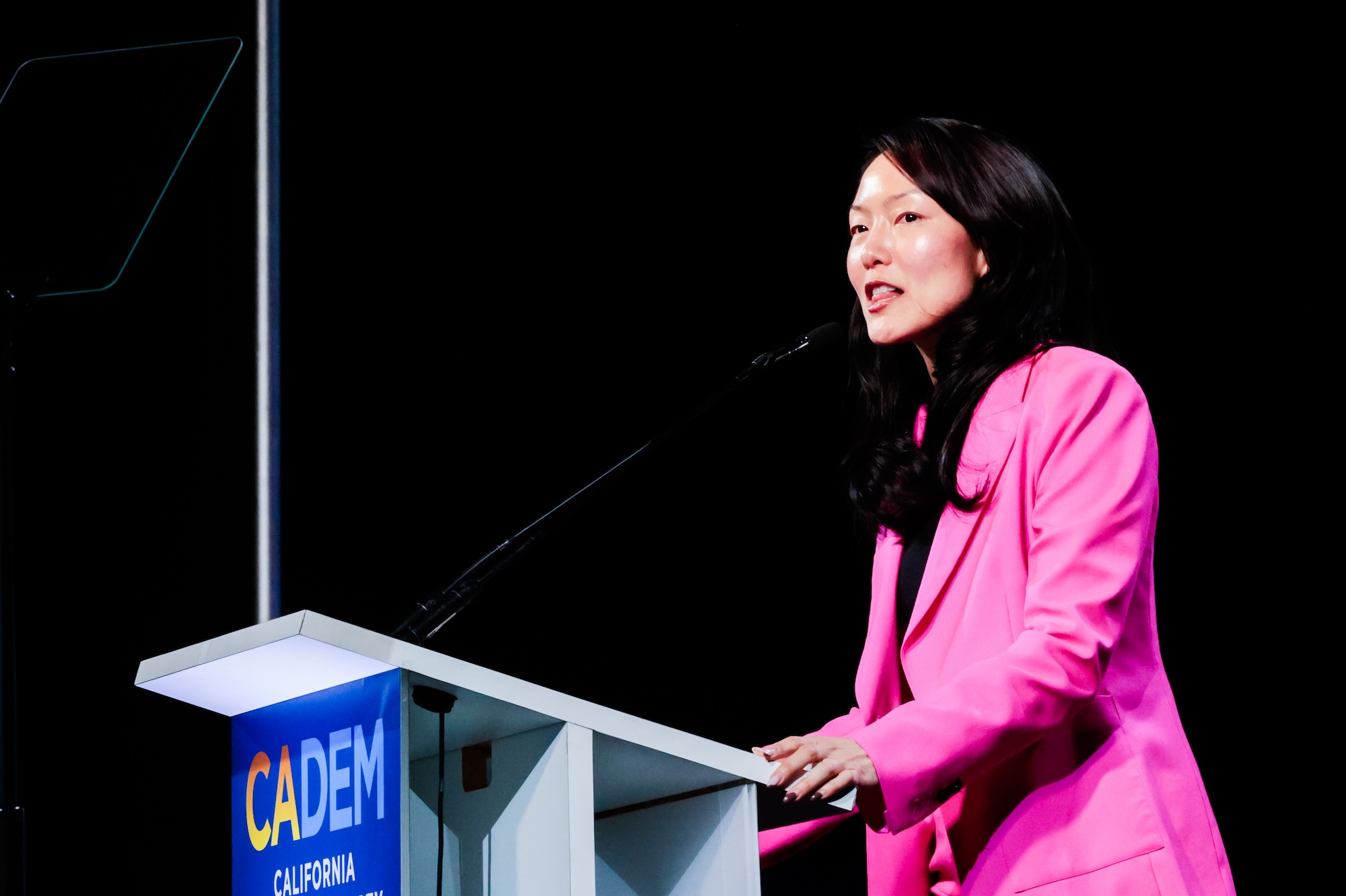
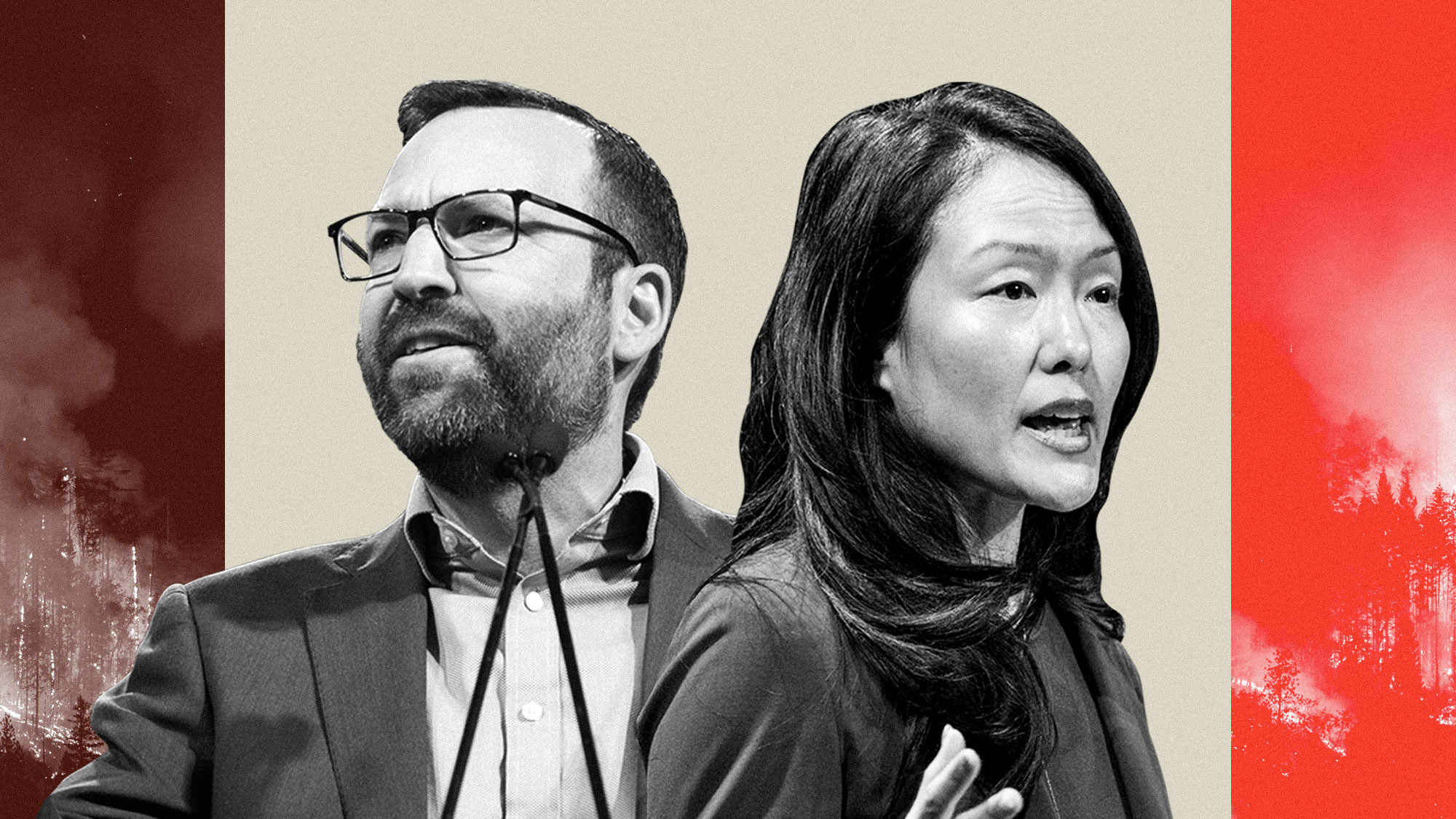
Over the past eight years, the incumbent commissioner presided over what stakeholders across the political spectrum have characterized as a disaster, a crisis, and a full-scale collapse of the residential property insurance market. Now, as the current commissioner reaches term limits, two distinct Democratic candidates—State Senator Ben Allen and progressive organizer Jane Kim—have stepped forward, each arguing they possess the roadmap to fix the broken system. Their candidacies encapsulate a broader debate within the Democratic Party regarding how governments must adapt to accelerating climate change: Allen advocates for rebuilding the private insurance market, while Kim proposes dismantling it in favor of a public model.
The victor in November will inherit a battered system suffering from a decade of catastrophic wildfires, widespread insurer withdrawals, and systemic market turmoil. Decades of aggressive suppression, inadequate forest management, and warming temperatures have turned California’s vast woodlands into environmental tinderboxes, a hazard projected to escalate as global temperatures rise. The modern crisis erupted between 2015 and 2020 during a historic sequence of unprecedented wildfires that scorched roughly 4 million acres and obliterated 35,000 structures, many located in regions historically considered safe from major blazes. Major carriers like State Farm and Farmers absorbed billions of dollars in claims—wiping out the cumulative profits they had amassed from writing fire coverage over the preceding two decades.
Convinced they were severely underpricing risk, insurers sought permission to raise rates. However, property insurance pricing lacks the elasticity of commodities like gasoline or paper towels; carriers must secure approval from the state insurance commissioner for any rate hikes. California maintained a stringent posture against these increases, blocking attempts to pass post-fire costs directly onto consumers. In response, insurance corporations began severing ties with the state, dropping tens of thousands of policyholders and announcing plans to scale back or completely cease writing new policies.
"There’s something broken that so many of us are facing the same issues," McIntyre said, "and they just think they can just roughshod right on over all of us."
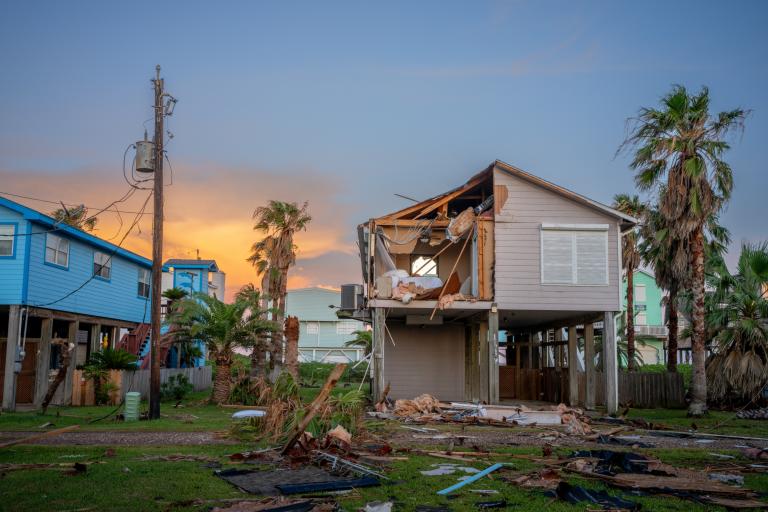
The evaporating availability of coverage is rippling through the broader economy. Approximately one in seven California realtors reported having a home sale fall through in 2024 due to insurance complications. Meanwhile, the state’s FAIR Plan ran dry of claims capital last year, and average statewide premiums are projected to surge by 16 percent. These pressures are bleeding out of designated high-hazard zones into historically low-risk communities, leaving homeowners scrambling for coverage.
The November election will dictate the financial trajectory of insurance bills for millions of residents and determine the future of fire-prone communities. Furthermore, it will serve as a national bellwether for how American voters wish to navigate the immense financial and logistical burdens of adapting to a warming planet.
A Tale of Two Markets and a Troubled History
The contemporary insurance breakdown stems from a century of development patterns. Over the decades, California permitted the construction of millions of homes within the "wildland-urban interface"—the flammable ecotone sprawling beyond major metropolitan centers. Developers rushed into the mountains surrounding Lake Tahoe and the arid foothills east of San Diego, often constructing properties with wood siding, vulnerable fences, and densely packed lots devoid of basic fire mitigation measures. These very neighborhoods are now burning during extreme wildfire seasons, prompting private insurers to flee en masse.
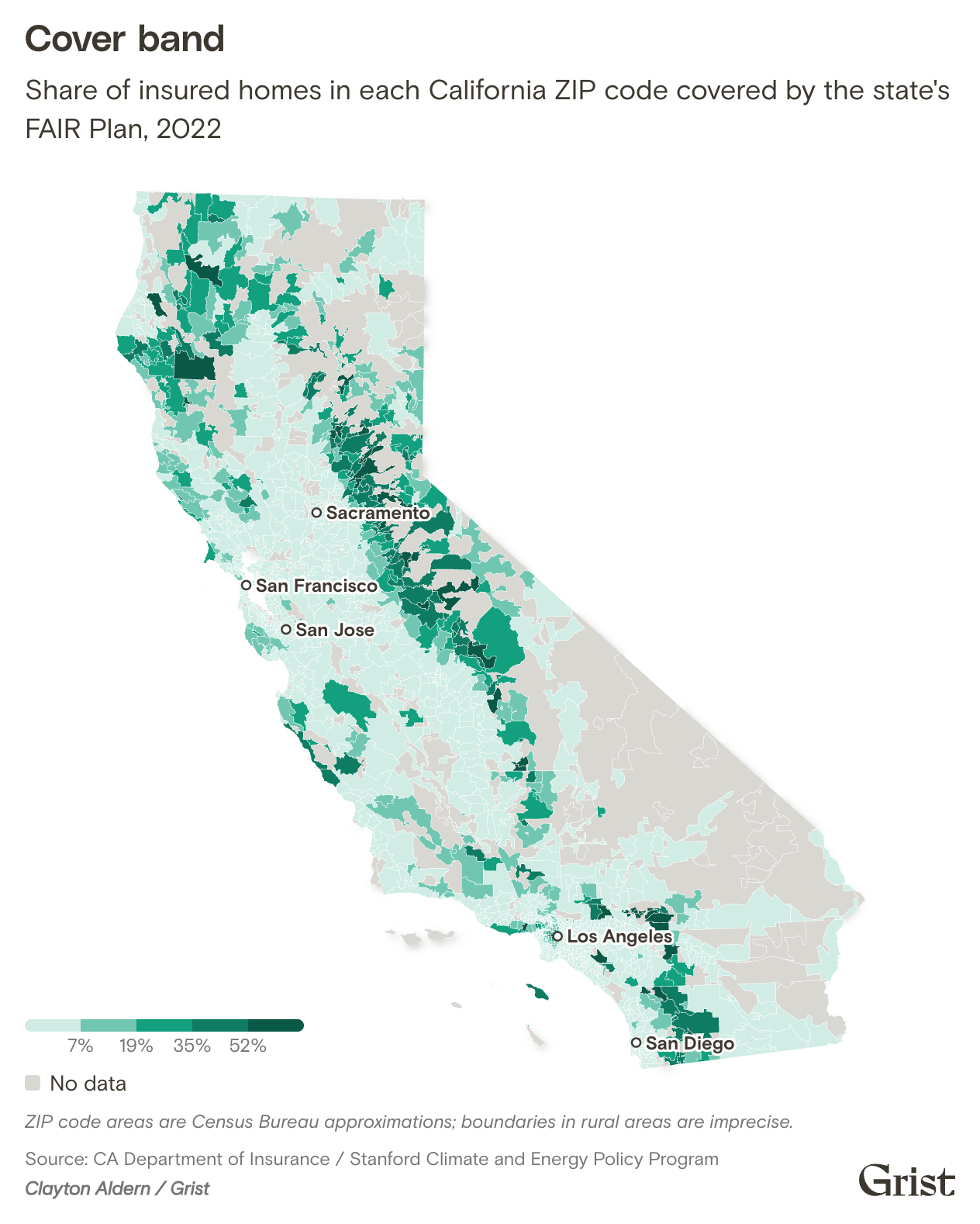
This unplanned expansion has produced what scholar Carolyn Kousky describes as "a tale of two markets." While rates crept upward modestly in low-risk environments like wet San Francisco and flat Fresno, the market fractured entirely in volatile regions like Malibu and the High Sierras. Nearly half of all households residing in high-fire-risk zones lost their private coverage between 2018 and 2024. The California FAIR Plan ballooned from a fringe safety net holding less than 1 percent of the market into the dominant provider for thousands of property owners, capturing up to 80 percent of the market share in certain vulnerable zip codes.
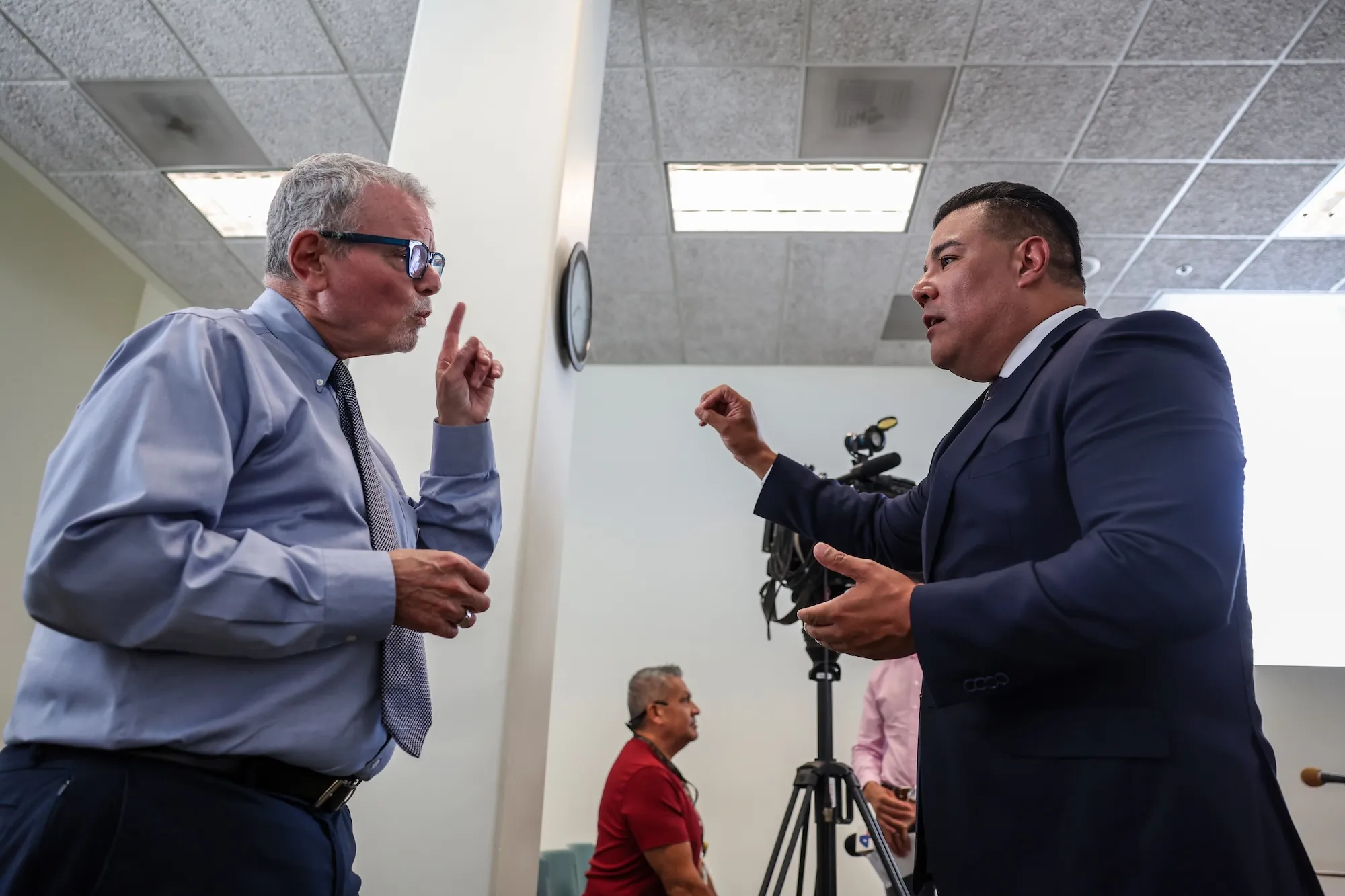
While voters theoretically wield influence through the election of the insurance commissioner—a position made elective via a consumer-driven ballot measure in 1988—the post is notoriously difficult to manage. The commissioner holds statutory authority to approve or deny rate adjustments, police corporate compliance, and oversee the FAIR Plan. Yet, the office lacks direct leverage to compel private insurers to write policies or execute regional wildfire mitigation.
"The insurance commissioner has a lot of power and authority himself or herself that they should use, but the insurance commissioner alone cannot address these challenges," noted Dave Jones, who served as commissioner from 2011 to 2019.
Outgoing Commissioner Ricardo Lara navigated his tenure amidst intense friction, oscillating between collaborating with insurers and clamping down on them. After initially pledging to reject insurance industry campaign donations, Lara later accepted contributions, a move accompanied by delayed rate decisions that prompted carriers like State Farm to shed additional policies. His primary legislative remedy involved striking a compromise: permitting insurers to pass the cost of reinsurance onto customers and allowing the adoption of forward-looking catastrophe models to forecast future risks—practices standard in other states. In exchange, carriers committed to writing more policies in hazardous zones.
Yet, the agreement contained loopholes that allowed insurers to skirt mandates in the riskiest areas, leaving the FAIR Plan to swell further following the 2025 Los Angeles fires. Lara remarked in an interview earlier this year that the industry had "bullied" him, while his office declined subsequent interview requests.
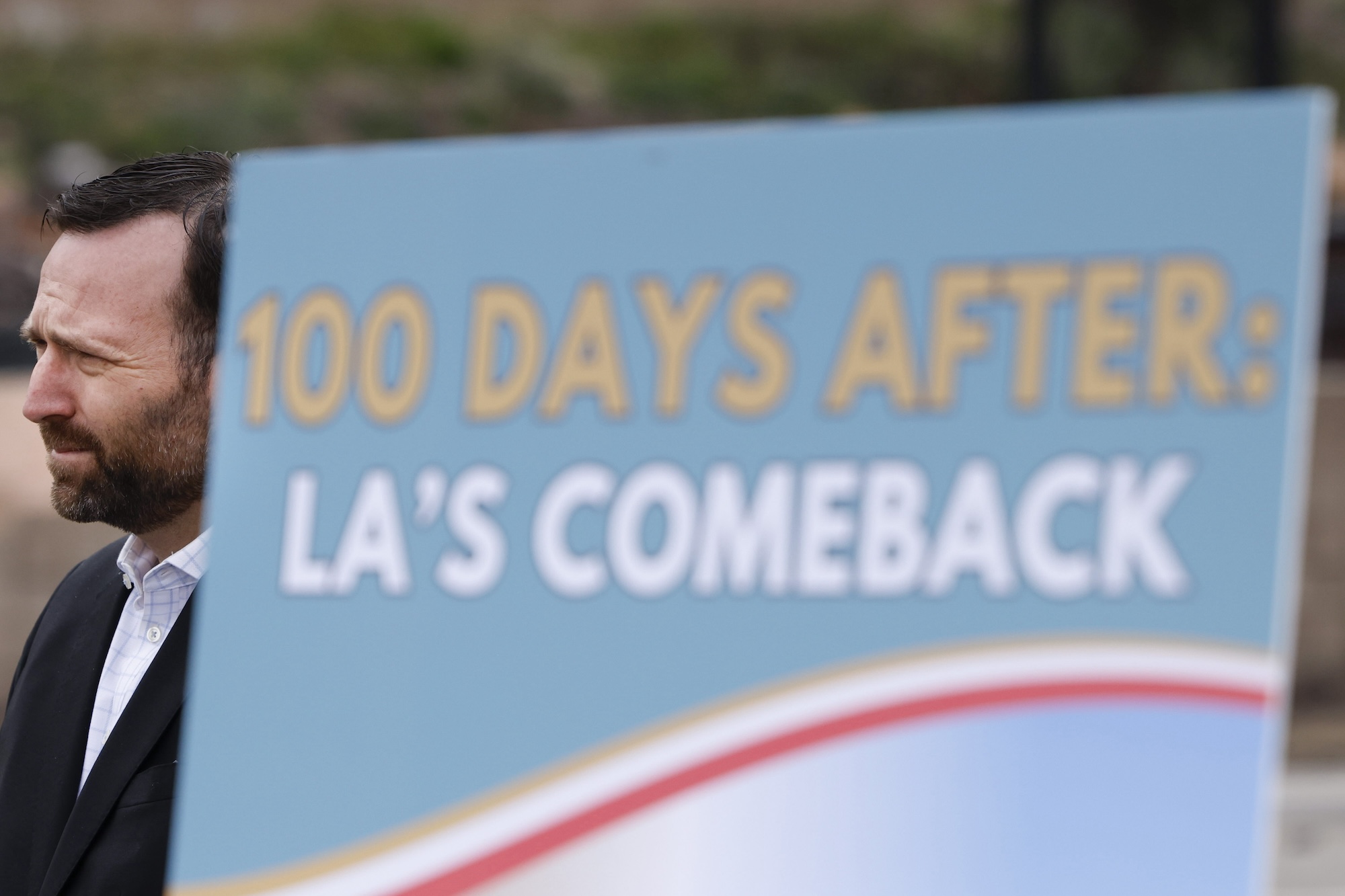
Two Paths Forward: Reform the Market or Replace It
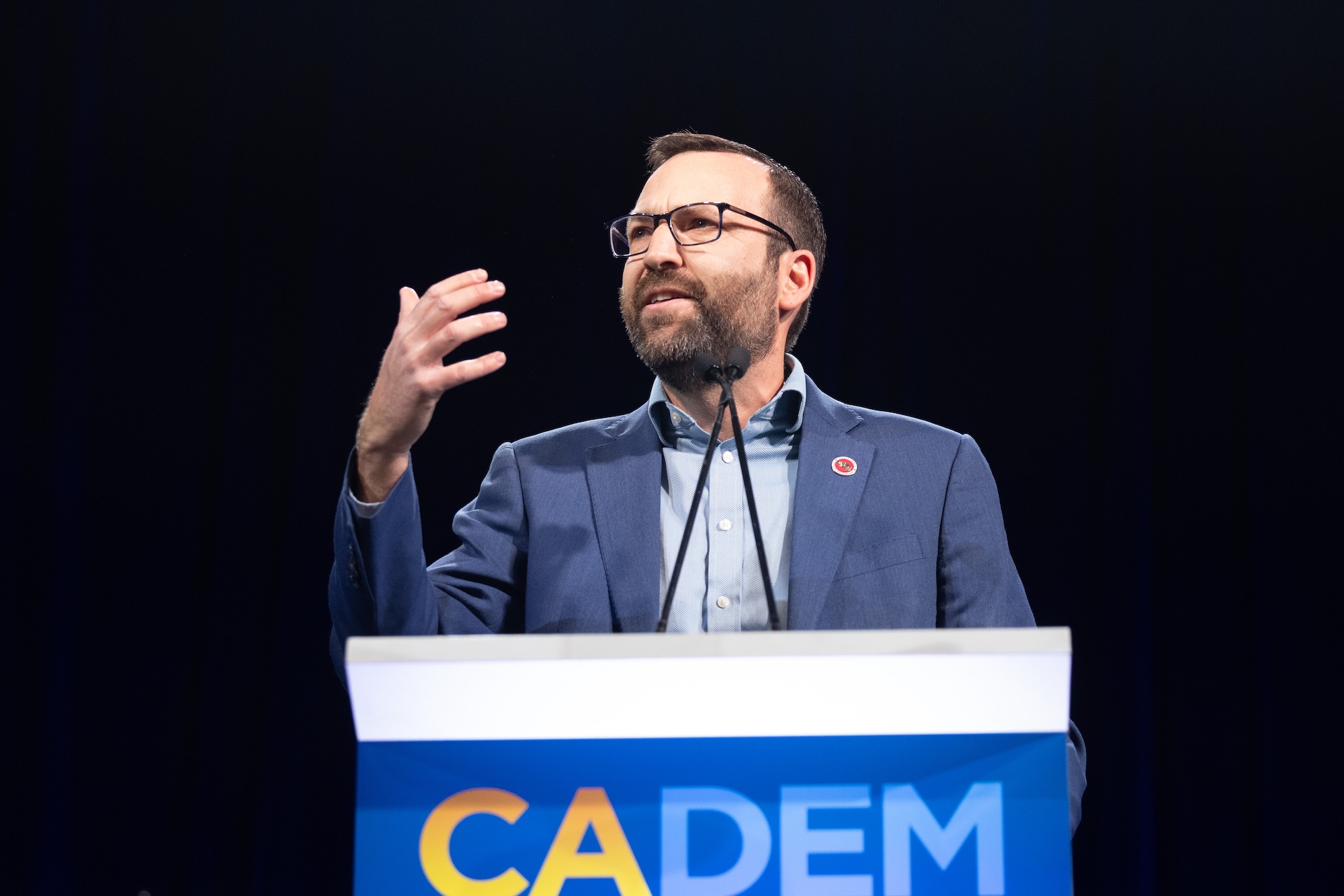
Despite the daunting nature of the post, a crowded primary field materialized to replace Lara, featuring Democrats, Republicans, and independents. In a surprising outcome, two Democrats advanced to the November runoff: Jane Kim, a former San Francisco supervisor and progressive organizer who campaigned on a government-run single-payer disaster insurance model, and Ben Allen, a state senator representing Pacific Palisades and a prominent legislative expert on insurance policy.
Allen and Kim share several policy goals. Both support simplifying standard insurance policies, enforcing transparency regarding corporate spending and fossil fuel investments, expanding the FAIR Plan to cover smoke and secondary damages, cracking down on predatory claim delays, and rejecting insurance industry campaign contributions.
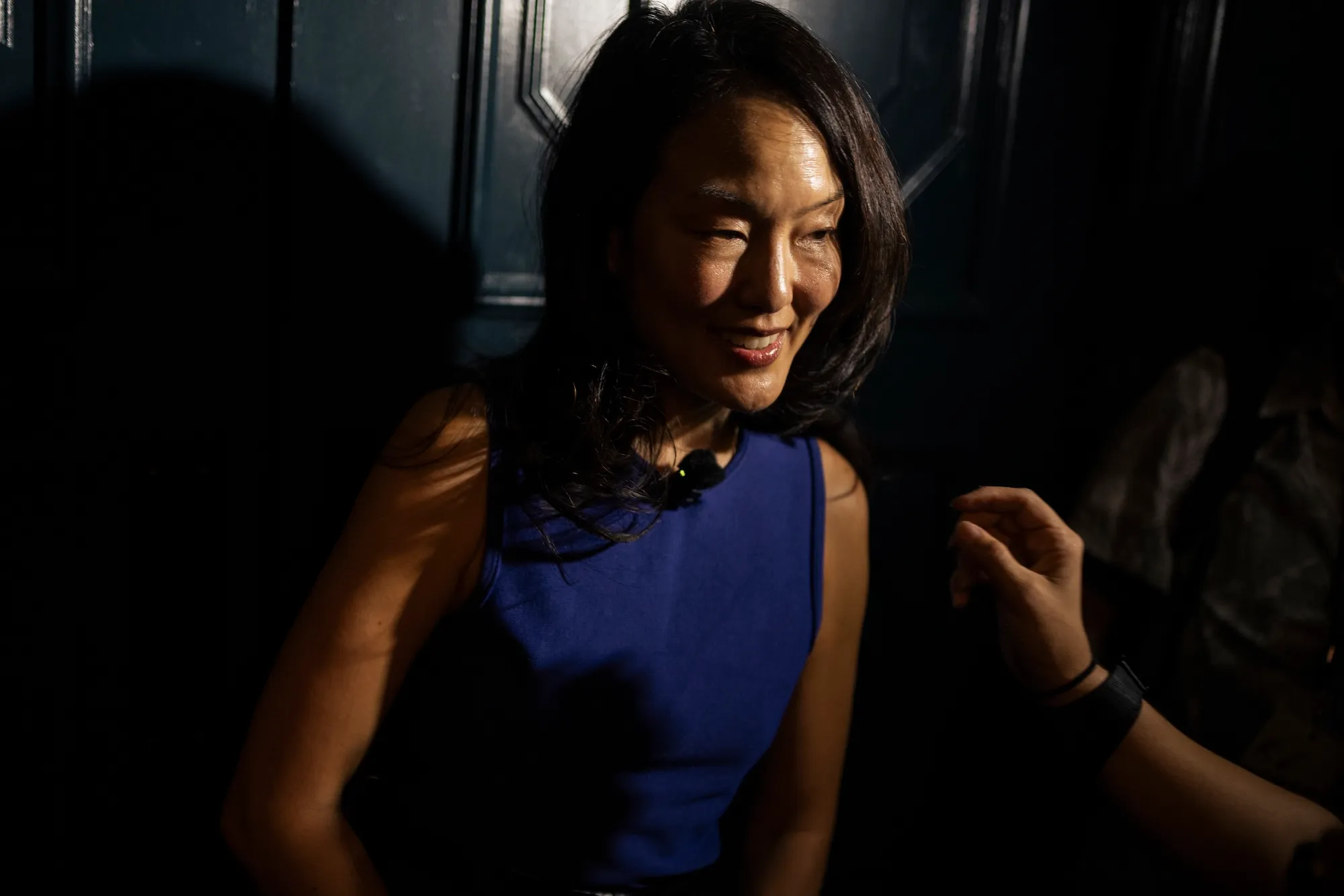
Their fundamental disagreement lies in how to stabilize the market and transition homeowners away from the FAIR Plan. Allen believes that by permitting risk-reflective rate increases, investing heavily in structural hardening, and utilizing rigorous data models, the state can entice private insurers back and restore a functional market. Kim, conversely, argues for scrapping the private market for disaster coverage entirely. She proposes a state-run public insurance program covering all properties and natural disasters, replacing private property insurers and the FAIR Plan. Under her proposal, surplus revenues would be redirected toward retrofitting aging homes against wildfires, leaving private companies to handle perils like burglary.
While Allen views the commissioner’s role through the lens of convening power—bringing stakeholders together to negotiate risk reduction and low-interest hardening loans—critics like former commissioner Dave Jones argue that Kim’s public model faces severe hurdles, including questions over long-term funding and the strain it would place on an already constrained state budget. Kim counters that if the legislature resists a full public takeover, she would use her authority over the FAIR Plan to levy fees on major insurers to directly finance community hardening.
As both candidates pitch competing visions of affordability and resilience, homeowners across California continue to grapple with the immediate realities of living in an uninsurable landscape. Whether through private market rehabilitation or public intervention, the next commissioner faces the monumental task of addressing decades of vulnerable development, proving that a warming world can still maintain the collective promise of community security.