
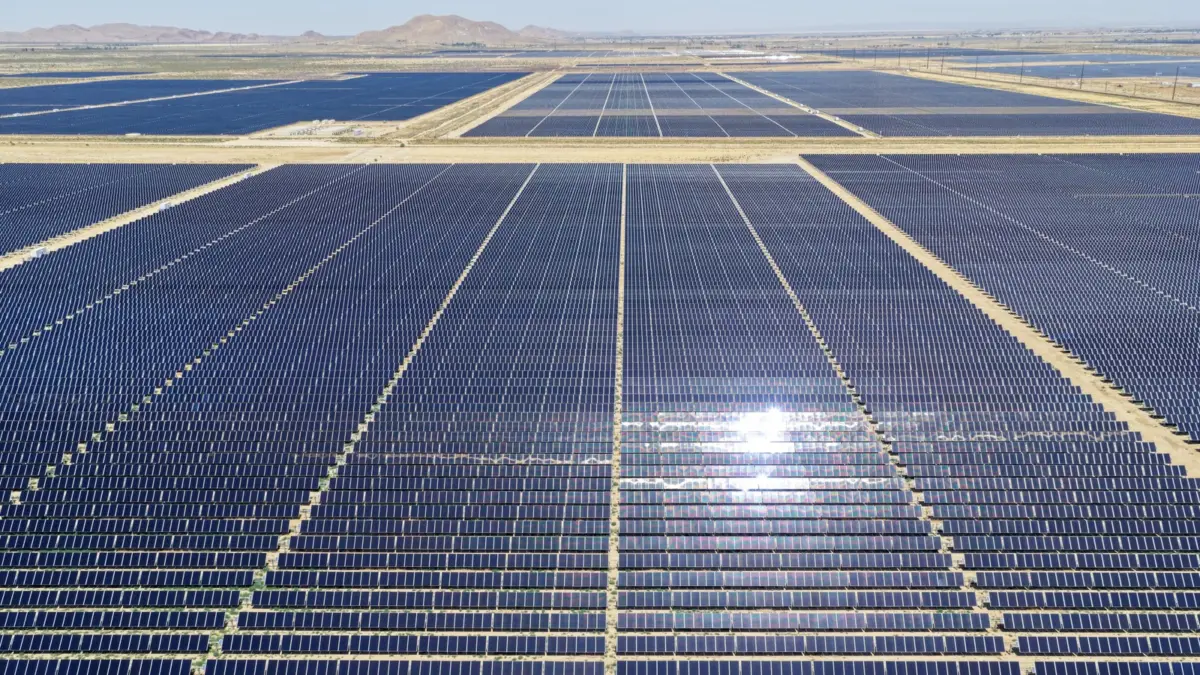
It is easy to view climate change through a lens of inevitable doom. For years, headlines have reinforced the narrative of an approaching wasteland, driven by melting ice caps, rising sea levels, worsening extreme weather events, and aging infrastructure—ranging from buckled highways to heat-stressed bridges—crumbling under rising temperatures. Yet, beneath the surface of these grim environmental realities, a profound transformation is quietly taking root. A worldwide boom in solar power is rapidly altering the economics of the global energy grid, paving the way for a broader transition to electric vehicles and renewable energy storage.
This shift is happening faster than many predicted. Analysts note that a critical tipping point is approaching, wherein photons from the sun will generate more electricity globally than the burning of fossil fuels. While climate scientists and economists urge caution against declaring total victory over climate change just yet, the current trajectory offers a grounded, pragmatic form of optimism.
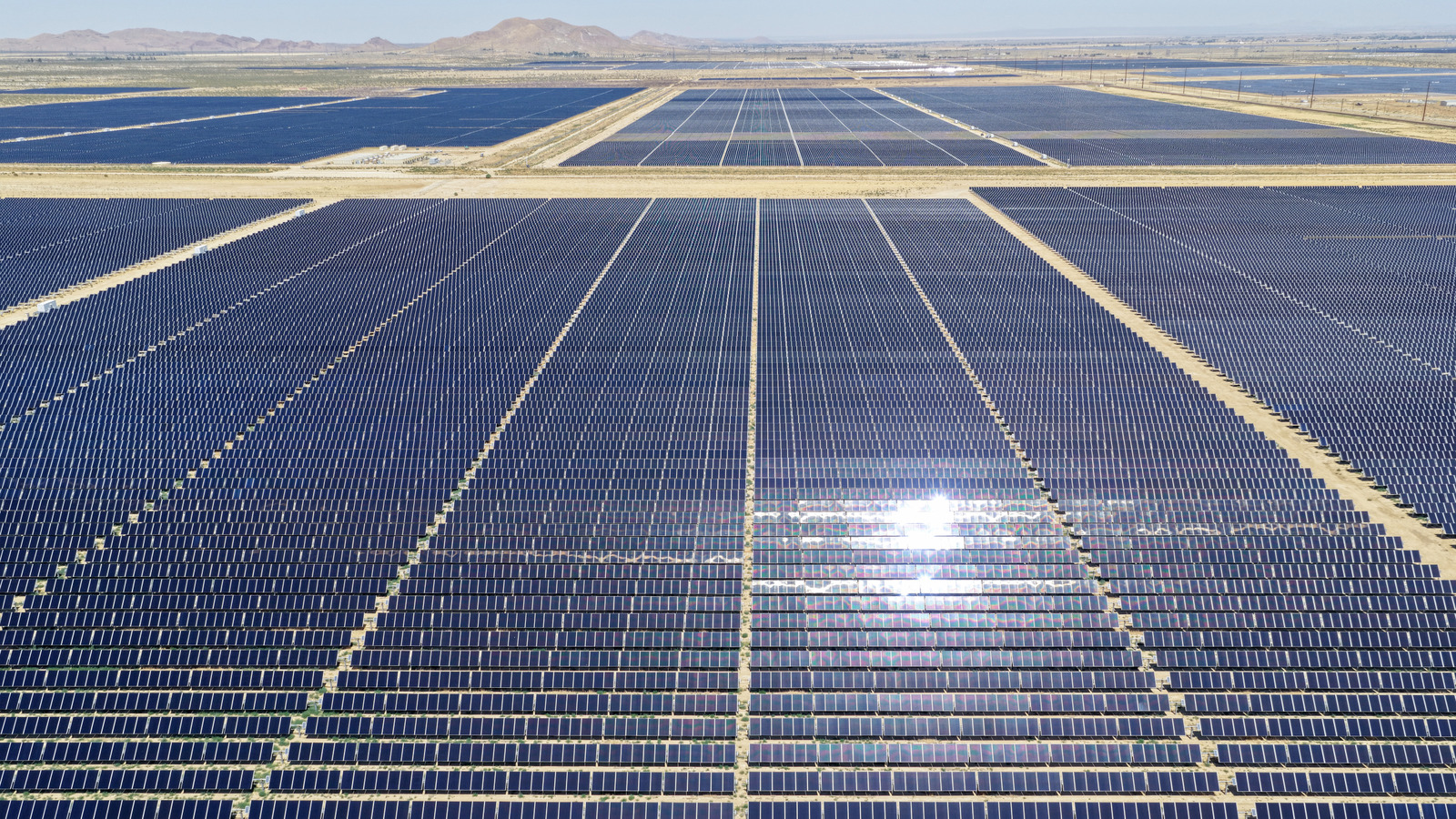
The global solar boom caught many observers off guard primarily due to the sheer velocity of its adoption. The world reached a cumulative milestone of 100 gigawatts of solar power capacity in 2012. It took another decade to climb from that baseline to the 1-terawatt threshold. However, the acceleration curve steepened dramatically afterward: scaling from 1 terawatt to 2 terawatts required just three years, while the subsequent leap to 3 terawatts was accomplished in under two years. This exponential expansion shows no signs of plateauing, with current projections indicating that global solar capacity could reach 9 terawatts by 2036.
This momentum has continued to build despite significant regional headwinds. In the United States, policy shifts under the current federal administration have resulted in the cancellation or delay of approximately $83 billion in clean energy investments. Despite a challenging federal regulatory landscape, solar power and associated battery storage accounted for 91 percent of all new utility-scale grid capacity added in the United States during the first quarter of 2026. Furthermore, over the preceding five years, new solar capacity installations have outpaced every other energy source. In a historical milestone, domestic solar power output eclipsed coal for the first time during the month of May.
This adoption is not confined to traditionally progressive coastal states. On March 14, Texas derived 79 percent of its electricity from renewable sources, and by 2026, the state officially surpassed California in utility-scale solar output, demonstrating that the economics of renewable energy transcend traditional political divides.
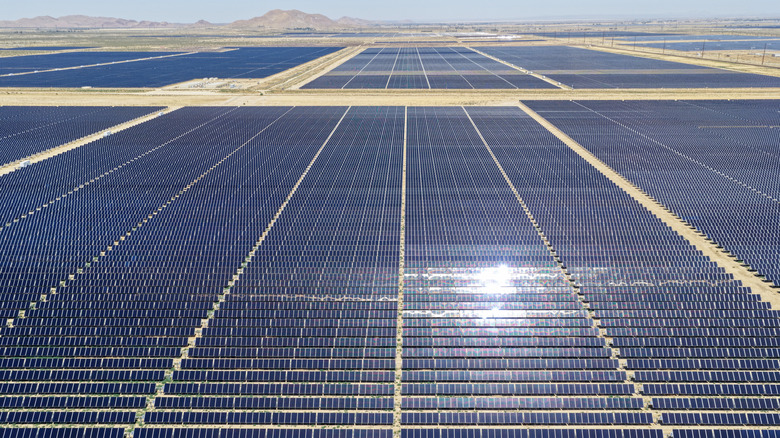
The Power of the Sun Keeps Us Moving On
The primary driver behind this explosive growth is simple economics: solar power has become remarkably inexpensive. In most global markets, building a new solar farm is now significantly cheaper than constructing a new fossil fuel plant. Beyond the financial savings, solar installations can be deployed with unprecedented speed. While traditional fossil fuel plants require years of complex engineering and construction, solar projects can be brought online in a fraction of the time.
This stark contrast has influenced energy markets worldwide. Since 2020, more than 75 percent of all new power capacity added globally has been renewable, with solar and wind standing as the fastest-growing energy technologies in history.
The real-world impacts of this shift are increasingly tangible. In June, the European Union generated 25 percent of its total electricity from solar energy alone. In more localized examples, the proliferation of private rooftop solar systems has occasionally outpaced grid absorption capacity; last year, three Australian states temporarily supplied residential customers with free electricity during peak midday hours as surplus generation flooded the local distribution networks.

Storing the Sun for Later
Historically, the primary limitation of solar energy was its intermittency. Peak generation occurs at noon, tapering off through the afternoon and dropping to zero at night, while seasonal variations and cloudy days further complicate grid reliability. For decades, critics argued that this fundamental limitation rendered solar insufficient for base-load power generation, leaving fossil fuels as the default fallback.
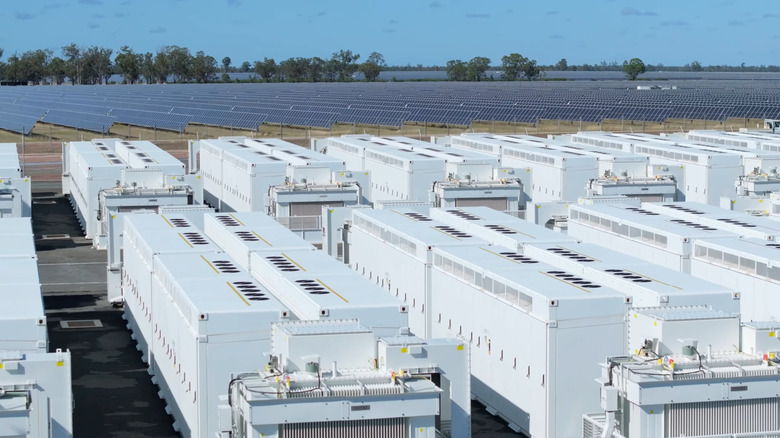
That dynamic has shifted dramatically with the maturation of utility-scale battery storage technology. Resembling standardized shipping containers, large-scale battery installations have quietly revolutionized energy management over the past decade. China alone has deployed enough solar storage capacity in the past five years to power California and Texas combined for an entire day. As manufacturing scales up, the cost of these storage systems continues to fall, creating a reinforcing cycle: cheaper batteries improve grid reliability, which drives further solar adoption, which in turn fuels greater demand for storage.
The effectiveness of this infrastructure was demonstrated in California. On July 9, solar batteries across the state discharged 13 gigawatts of power—an amount roughly equivalent to the electricity demand of New York City on a hot summer day. Previously plagued by the threat of rolling blackouts during extreme weather events, California successfully navigated its hottest August on record without issuing a single emergency flex alert, thanks entirely to this newly integrated storage capacity.
From the Sun to the Strait
Geopolitical events have further accelerated the global pivot away from fossil fuels. Ongoing conflicts in the Middle East, particularly involving Iran, have repeatedly driven global oil prices upward, triggering long-term economic ripple effects. In response, Southeast Asian nations have pivoted aggressively toward renewable energy, issuing four times as many long-term renewable energy policies as fossil fuel policies since the outbreak of the conflict. Meanwhile, Europe’s heavy reliance on solar power saved the bloc approximately $42 billion in gas surcharges.
Faced with volatile fuel prices at the pump, individual consumers are increasingly turning their attention toward electric vehicles. Combined, these economic and geopolitical pressures have led analysts to pull forward their projections for when global oil consumption will peak, shifting the expected milestone from 2029 down to 2026. There is a distinct possibility that the global economy is currently experiencing the historical peak of fossil fuel consumption, with the resulting energy void being filled primarily by solar power.
While the climate crisis remains an urgent global challenge—and advocates continue to press governments for stronger environmental protections—the rapid advancement of solar generation and battery storage technology has begun to outpace the traditional narrative of absolute despair. Despite political and structural resistance in various parts of the world, the technological foundation for a sustainable energy grid is falling rapidly into place.