
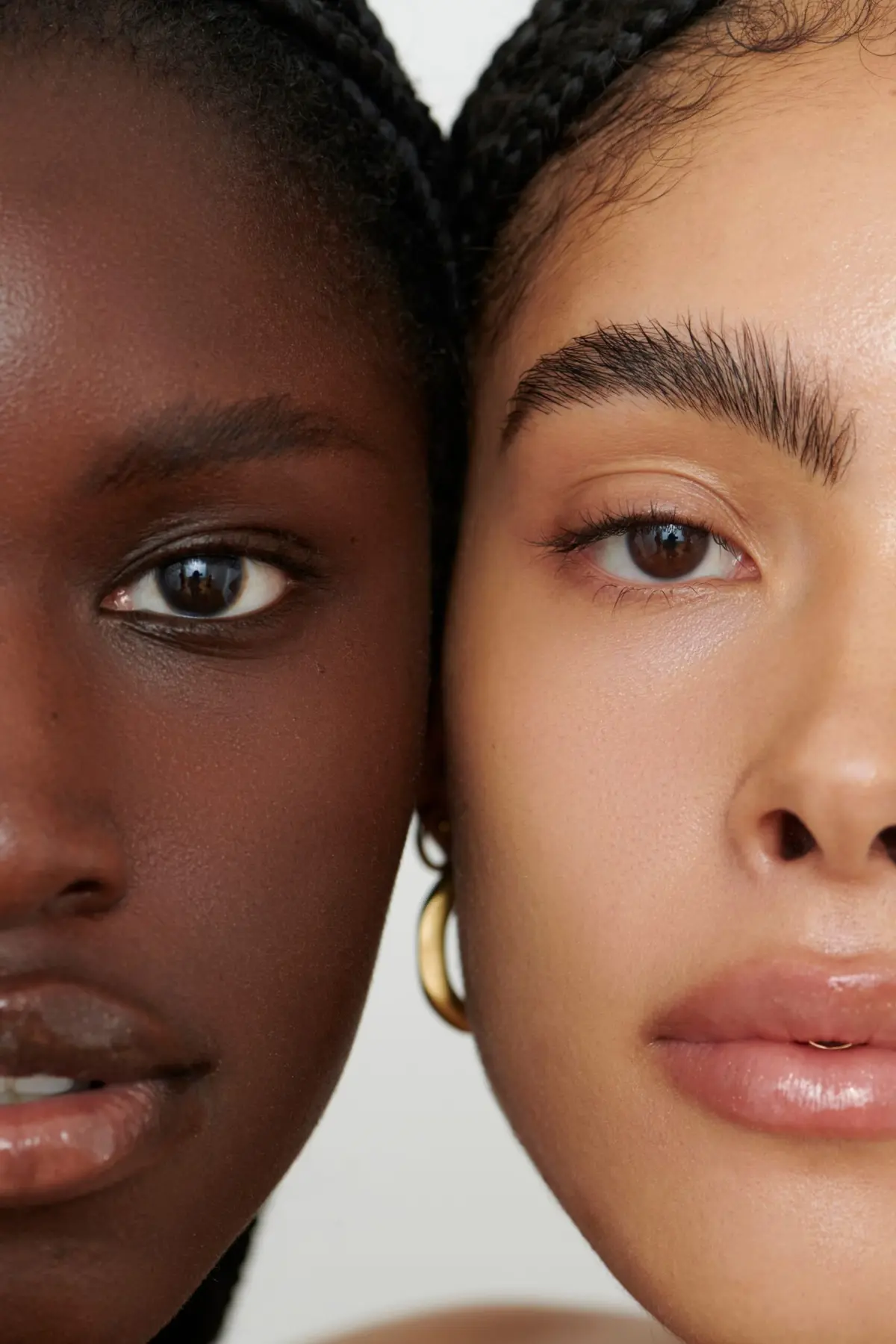
For many beauty enthusiasts, the quest for the perfect foundation shade is an ongoing struggle, often resulting in a product that sits awkwardly on the skin, appearing either unnaturally orange or inexplicably gray. While the modern beauty market offers an unprecedented range of shade options, the complexity of finding a true match remains a challenge for many. The core of this issue rarely lies in the product formulation itself, but rather in a fundamental misunderstanding of one’s skin undertone. Mastering this aspect of color theory is not merely a technical skill; it is the definitive solution to achieving a seamless, radiant complexion that looks like skin rather than a mask.
Decoding the Nuances of Skin Undertones
To navigate the world of color matching effectively, it is essential to distinguish between skin tone and skin undertone. Celebrity makeup artist and Tatcha global director of artistry and education, Daniel Martin, explains that while skin tone—categorized broadly as fair, light, medium, tan, deep, or dark—represents the surface color of the skin, the undertone is the color existing beneath that surface. Surface skin tone is highly susceptible to change due to external factors such as sun exposure, tanning, hyperpigmentation, inflammation, or seasonal shifts. In contrast, the undertone is a constant, permanent characteristic that dictates how a makeup shade will interact with one’s complexion.
According to J. Brandon Correa, a celebrity and YSL Beauty national makeup artist, understanding this distinction is crucial because undertones are not synonymous with the depth of a person’s complexion. Individuals of any skin depth—from the lightest to the deepest—can possess warm, cool, neutral, or olive undertones. Correa emphasizes that these categories should not be viewed as rigid boxes, but rather as a nuanced spectrum. Because skin is complex, many people may find themselves falling somewhere between traditional categories, making it vital to move beyond simplistic testing methods.
Broadly speaking, these categories are defined by the specific color cast present beneath the skin. Cool undertones are characterized by hints of pink, red, or rosy hues, and in some instances, can lean toward blue. Conversely, warm undertones are defined by yellow, peach, or golden casts, with some skin types exhibiting an underlying orange quality. Neutral undertones represent a harmonious balance of both warm and cool characteristics, meaning the skin does not pull strongly in either direction. Finally, the olive undertone is perhaps the most nuanced, often described as having a subtle green, gray-green, or yellow-green cast that can manifest at any level of skin depth. This complexity is precisely why olive complexions are frequently cited as the most difficult to shade match, as they may also lean warmer or cooler within the olive spectrum.
Practical Methods for Undertone Identification
Determining your specific undertone requires a shift in perspective. Instead of focusing on the surface color, experts suggest looking for the subtle, persistent cast beneath it. One of the most reliable and accessible methods is the jewelry test. By holding gold and silver jewelry against the skin, one can observe which metal appears most harmonious. Daniel Martin, who considers this his go-to diagnostic tool, notes that if silver appears more flattering, the individual likely has a cool undertone. If gold enhances the complexion, a warm undertone is probable. A neutral undertone is often suggested when both metals look equally flattering, while the appearance of rose gold, antique gold, or mixed metals may indicate an olive or a more complex neutral undertone.
Beyond the jewelry test, J. Brandon Correa recommends examining areas where the skin naturally gathers or folds, such as the neck, jawline, the crook of the elbow, or the point where the ear meets the head. By observing these areas in natural daylight, one can identify subtle nuances of color. The goal is not to find an obvious surface color, but to perceive the faint cast beneath the skin’s surface. Additional techniques, such as comparing the skin to neutral-toned fabrics or taking a high-resolution, filter-free photograph against a white background in natural light, can help isolate the undertone from the influence of environmental lighting or surrounding colors.
Addressing the Myth of Changing Undertones
A common misconception in beauty is that one’s undertone can shift over time. Both Martin and Correa clarify that the actual undertone remains constant throughout a person’s life. What changes is the appearance of the skin’s surface, which can be heavily impacted by hormonal fluctuations, rosacea, acne, inflammation, or melasma. These factors can create temporary redness or discoloration, which might cause a person with a warm undertone to appear cooler or pinker for a period. This explains why an individual might find their favorite foundation shade appears "off" during certain seasons or life stages without their fundamental skin chemistry having changed. Separating surface concerns from the underlying color is a critical step in maintaining a consistent and effective beauty routine.
Aligning Beauty Products with Your Undertone
While the modern philosophy of makeup encourages self-expression and creative freedom, understanding undertones provides a functional roadmap for those seeking a more cohesive look. Foundation, in particular, relies on this alignment more than any other product. To achieve a perfect match, one must consider both depth and undertone. Cool undertones generally thrive with pink, rosy, or red-based foundations, while warm undertones are best complemented by yellow, golden, peach, or honey-based formulas. Neutral tones benefit from balanced, beige-toned products, and olive undertones require specific olive, golden olive, or muted golden shades to avoid looking gray or ashy. Martin recommends swatching products along the center of the face, specifically the nose and cheek area, and checking the result in natural, unfiltered light. An ideal match should effectively "disappear" into the neck, showing no signs of orange, pink, or gray cast.
For other categories of makeup, the application of undertone theory varies based on the desired outcome. With concealer, the choice depends on whether the goal is to match the skin perfectly or to color-correct discoloration. For a natural match, the same undertone rules as foundation apply. When choosing blushes and lipsticks, undertones act as a guide for harmony. Cool undertones often find balance in berry, plum, and blue-based red shades, while warm undertones are typically enhanced by peach, coral, and warmer reds. Neutral skin tones offer the greatest flexibility, allowing for a wider range of options. For olive complexions, earthy tones, bronzed hues, and muted reds often provide the most natural look.
Highlighter, bronzer, and eyeshadow also follow these principles, though there is significantly more room for personal preference. Cool undertones are often highlighted best by icy champagne or soft pink shades, whereas warm undertones gravitate toward gold, bronze, and caramel. Neutral and olive skin types can often bridge the gap between champagne and soft gold. In terms of eyeshadow, while these guidelines are helpful for those feeling overwhelmed by options, experts emphasize that color theory is not a set of rigid laws. Often, the most striking looks are achieved by intentionally pushing against the rules of one’s undertone, rather than strictly adhering to them. Ultimately, while understanding your undertone is a powerful tool for achieving a polished and precise finish, it serves best as a foundation for exploration, allowing for both the refinement of a signature look and the confidence to experiment with new colors.