
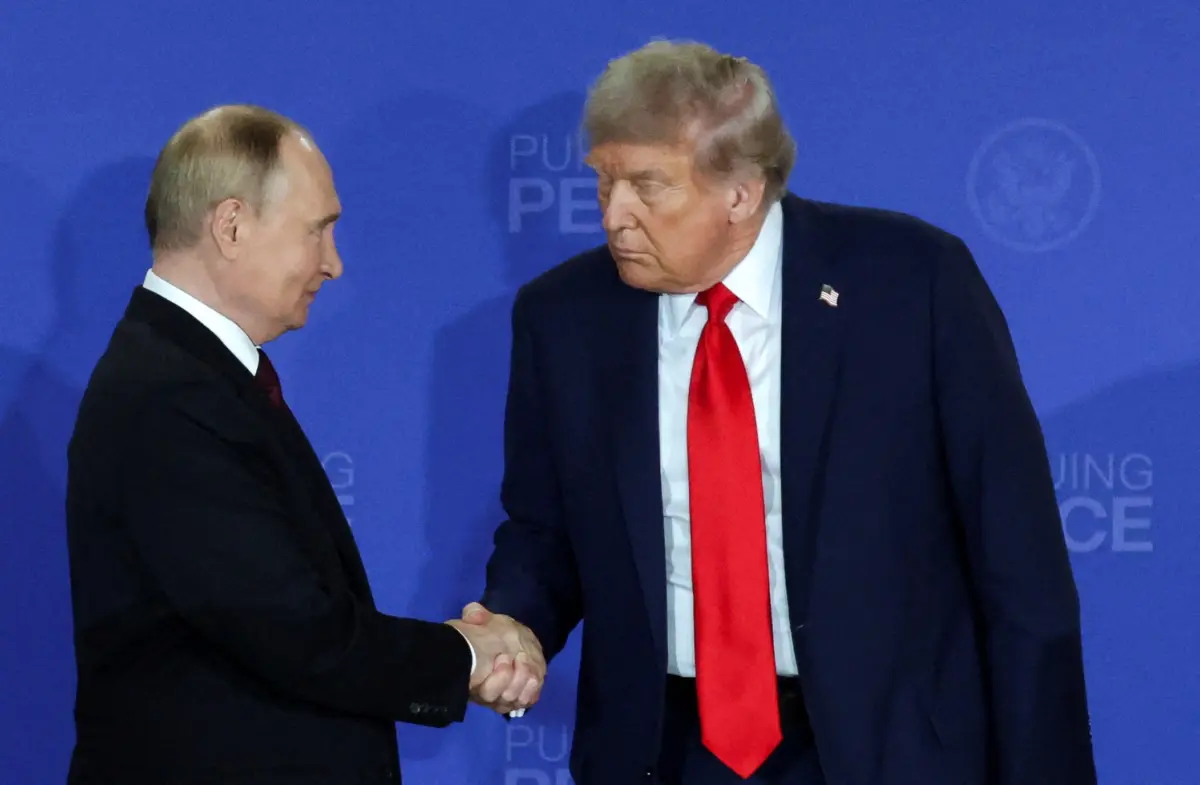
United States, Ukrainian, and European officials have convened in Miami, Florida, to negotiate a comprehensive proposal aimed at bringing an end to the protracted Russia-Ukraine war. The high-level diplomatic gathering was confirmed by US envoy Steve Witkoff in a statement shared on social media platform X, underscoring an urgent international push to secure a sustainable resolution as cold weather approaches.
Writing on Friday, Witkoff described the gathering as a series of “constructive discussions” specifically focused on identifying “potential avenues to de-escalate and conclude the war with Russia ahead of winter and advance efforts toward a durable and lasting peace.”
The diplomatic summit brought together a broad coalition of key international stakeholders. According to Witkoff, the meeting included representatives from “the E3, the European Commission, Ukraine, and NATO.”
The extensive agenda moved beyond immediate de-escalation to tackle several critical pillars of long-term stability. Officials engaged in deep discussions covering energy resilience, the vital continuity of grain exports, robust security guarantees, and what Witkoff termed “longer-term arrangements for Ukraine’s and Europe’s security to prevent future conflict.”
Furthermore, the participants addressed the complex economic and structural challenges that lie ahead. Witkoff noted that the productive talks also explored “Ukraine’s post-war reconstruction and economic prosperity, including EU accession,” signaling a unified commitment to rebuilding the war-torn nation and anchoring its future firmly within European democratic and economic frameworks.
The urgency of the Miami talks was further underscored by remarks from US Secretary of State Marco Rubio. Speaking on Thursday, Rubio warned that the conflict had reached a dangerous “stalemate,” cautioning that the persistent failure to achieve a negotiated settlement significantly raised the risk of further, unpredictable escalation.
“The other way that stalemates end is through escalation,” Rubio told reporters, explicitly warning that the protracted hostilities carried a growing risk of spilling over into neighbouring NATO countries, thereby threatening broader regional security.
Renewed Diplomacy
The renewed diplomatic momentum in Florida comes amidst a deeply complicated geopolitical landscape and ongoing violence on the ground. Earlier on Friday, Russian President Vladimir Putin told US President Donald Trump that the resumption of meaningful peace talks with Ukraine remains unlikely. Putin pointedly cited recent drone attacks on Moscow that occurred during parliamentary elections last month as a primary impediment to moving forward with negotiations.
This diplomatic friction unfolds against a backdrop of deadly military escalations. The diplomatic push follows a devastating Russian strike on civilian buses in eastern Ukraine, an atrocity that claimed the lives of 33 people. Local authorities confirmed that the brutal assault marked the single deadliest attack against civilians recorded so far this year, compounding the humanitarian catastrophe and intensifying international pressure for a viable ceasefire.
Complicating the diplomatic environment further, the ongoing talks have been heavily overshadowed by a controversial US-Russia diesel deal announced on Friday. President Trump publicly blamed recent Ukrainian drone attacks on Russian oil refineries for surging fuel prices within the United States, prompting the swift arrangement with Moscow to stabilize the market.
The agreement immediately drew sharp criticism from a broad spectrum of political figures, including domestic US lawmakers, Ukrainian leadership, and key European allies. Ukrainian President Volodymyr Zelenskyy did not mince words, publicly condemning the agreement as a “gift to Putin.” Illustrating the deep friction caused by the deal, a Ukrainian drone struck a Russian fuel site just hours after the agreement was finalized.
The Miami summit marks the latest chapter in an intensive diplomatic campaign by Washington to revive stalled peace efforts. It follows high-profile visits to Moscow and Kyiv last month by US envoys Steve Witkoff and Jared Kushner, undertaken as the United States actively seeks to breathe new life into diplomatic channels that have yielded frustratingly little progress over the course of the multi-year conflict.