
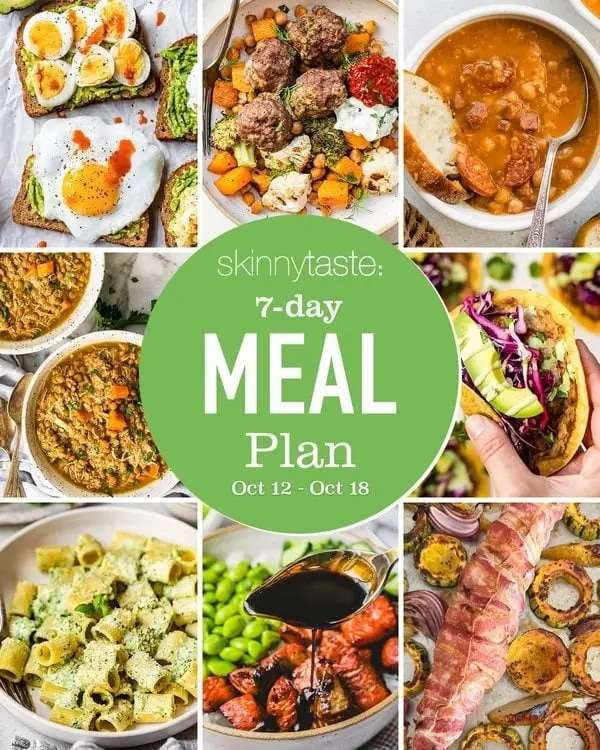
As the calendar turns to October, the shift in seasons brings with it a renewed focus on hearty, seasonal produce and the desire for comforting yet nutritious meals. For those looking to maintain healthy eating habits while navigating the busy rhythms of the fall, a structured but flexible meal plan can be a transformative tool. This week’s offering provides a comprehensive 7-day guide designed to streamline the process of healthy eating, complete with breakfast, lunch, and dinner suggestions, as well as a consolidated shopping list to minimize food waste and simplify the grocery store experience.
The cornerstone of this week’s menu is the humble pumpkin, a seasonal staple that offers far more than just aesthetic appeal. Rich in beta-carotene, vitamin A, potassium, fiber, and a host of antioxidants, pumpkin serves as a versatile ingredient that bridges the gap between sweet and savory culinary applications. Whether integrated into a warming bowl of roasted pumpkin and sage soup, paired with the rustic flavors of a beef stew, or featured in a light, satisfying pumpkin bread, the squash provides a nutritional boost that is perfectly suited for the autumn transition. For those looking for lighter options, the inclusion of dishes like pumpkin pie dip demonstrates how these flavors can be enjoyed in moderation while adhering to personal health goals.
The philosophy behind this meal plan remains rooted in flexibility. Recognizing that no two individuals have the same caloric needs or lifestyle constraints, the plan is intended to serve as a foundational guide rather than a rigid mandate. It is designed to accommodate individual adjustments, allowing for the addition of snacks, beverages, or substitutions that align with personal preferences. With many nutrition experts suggesting that women generally aim for a baseline of approximately 1,500 calories per day, this plan provides a structured starting point, with the explicit encouragement for users to supplement as needed based on their specific goals, activity levels, and age.
In an era where the cost of living and rising grocery prices remain a significant concern for households, meal planning has emerged as one of the most effective strategies for maintaining a budget. By having a precise, organized grocery list on hand, shoppers can avoid the pitfalls of impulsive purchasing and reduce the frequency of dining out. This proactive approach not only helps in managing household finances but also ensures that nutritious ingredients are readily available throughout the week, reducing the temptation to rely on convenience-heavy, less-nutritious alternatives.
The weekly schedule is carefully calibrated to balance preparation time with variety. Breakfast and lunch options from Monday through Friday are designed for individual servings, providing a straightforward approach to daily sustenance. In contrast, dinner recipes and all meals prepared over the weekend are portioned for a family of four. This design choice is intentional, often resulting in leftovers that can be repurposed for lunch the following day, thereby further maximizing efficiency in the kitchen.
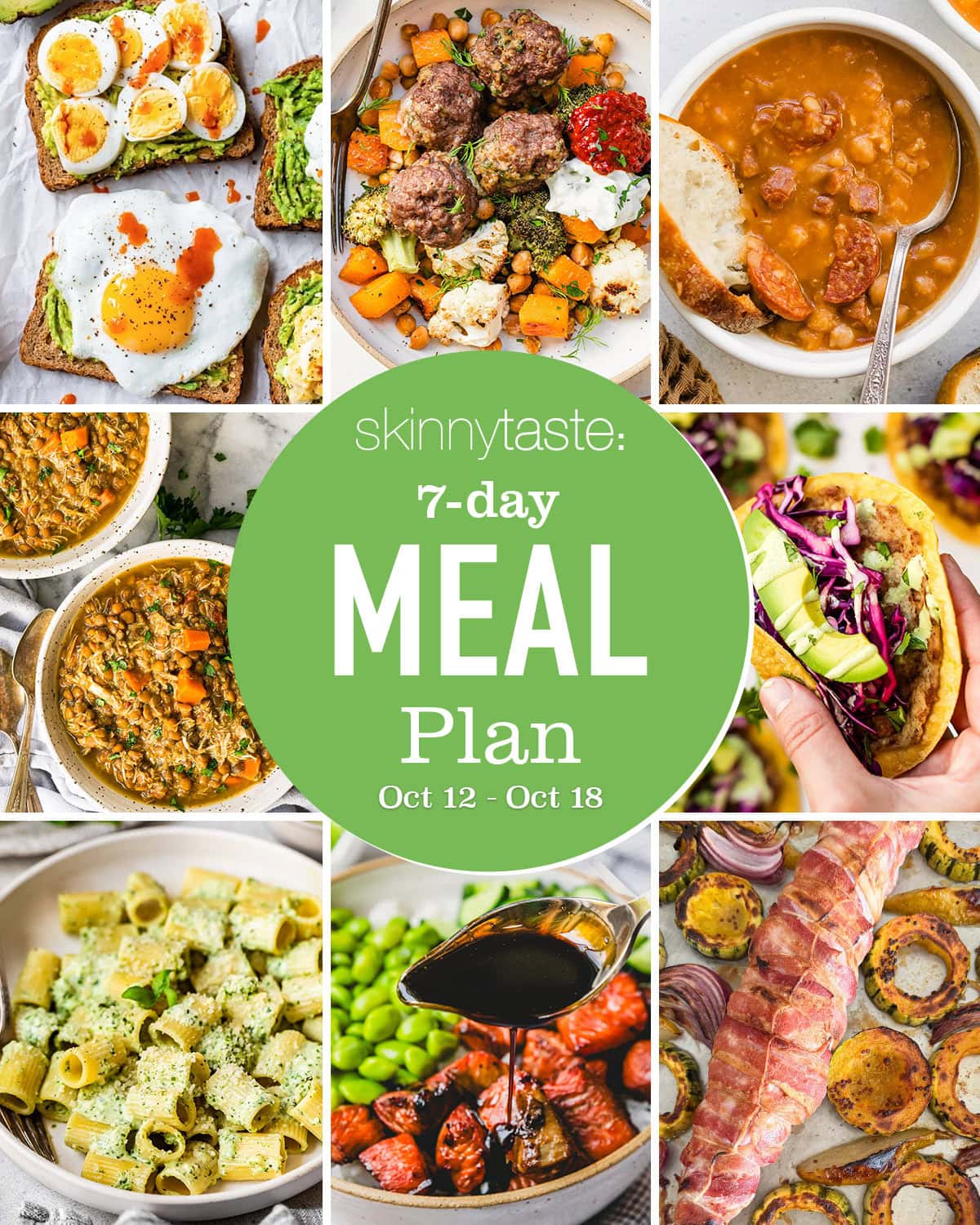
The week begins on Monday, October 12, with a start that balances simple, nutrient-dense ingredients. The day features avocado toast with a sunny-side-up egg for breakfast, followed by a cranberry chicken salad served on apple slices for lunch. Dinner shifts toward a more comforting profile with a creamy pesto pasta paired with parmesan zucchini. As the week progresses, the menu introduces variety through dishes like the air fryer breakfast banana split and chicken smash tacos with a creamy jalapeño sauce. Mid-week brings the heartiness of an Instant Pot Spanish garbanzo stew, a dish that offers enough volume to provide leftovers for subsequent lunches, demonstrating the practical application of batch cooking.

As the week reaches its end, the focus shifts toward celebratory and warming flavors. Saturday morning features pumpkin pancake muffins, leaning into the seasonal theme, while the evening is reserved for a night out. Sunday concludes the week with savory steel-cut oats and a centerpiece dinner of bacon-wrapped pork tenderloin accompanied by a fresh, crisp side of raw shredded Brussels sprouts with lemon and oil. Throughout this cycle, every recipe is provided with associated macro-nutritional data and Weight Watchers point values, ensuring that those tracking their intake have the necessary information at their fingertips.
For those who find value in this level of organization, tools like the Ultimate Skinnytaste Meal Planner provide a more permanent framework. The 52-week spiral-bound planner is designed to assist with long-term tracking, offering weekly grids, a 12-week structured plan, and dedicated space for reflection—such as gratitude and daily intentions—which can be a vital component of a holistic approach to wellness.
Community support also plays a significant role in sustaining long-term healthy habits. Engaging with others who are following similar meal plans can provide motivation and a wealth of shared ideas. Through platforms like the Skinnytaste Facebook Community, participants have the opportunity to share their own iterations of these recipes, troubleshoot cooking challenges, and stay inspired. This communal aspect of meal planning transforms what might otherwise be a solitary chore into a shared experience.
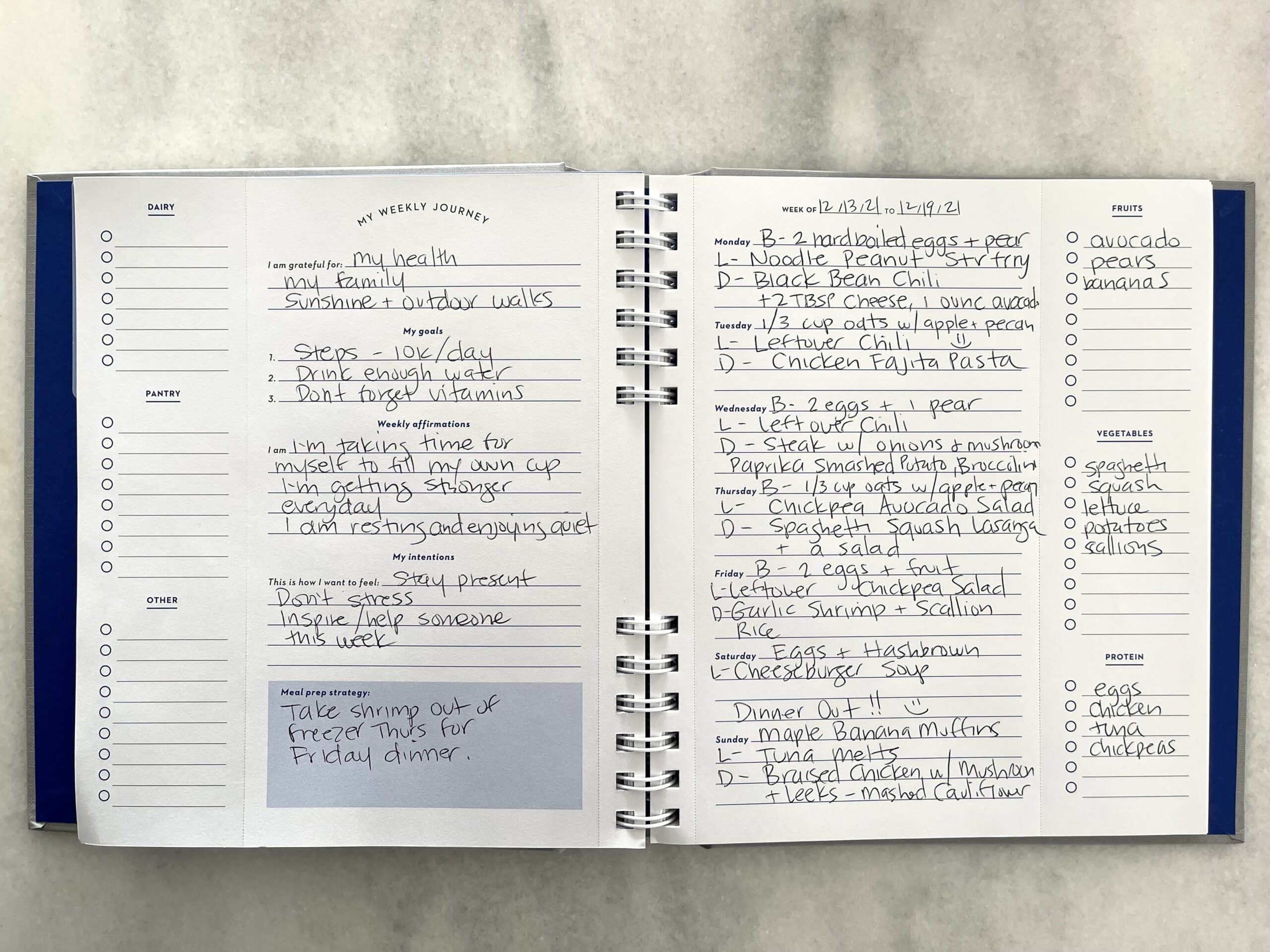
Ultimately, the goal of this 7-day plan is to remove the guesswork from the kitchen. By integrating a shopping list that covers all necessary produce, proteins, dairy, grains, and pantry staples, the plan reduces the stress associated with meal preparation. Whether an individual is looking to lose weight, save money, or simply eat with more intention during the busy autumn season, the combination of seasonal ingredients, flexible caloric guidelines, and thoughtful organization provides a robust roadmap for success. For those who wish to maintain this momentum, additional resources, including budget-friendly meal plan series and email subscriptions, offer ongoing support to ensure that the practice of intentional eating remains sustainable throughout the year.