
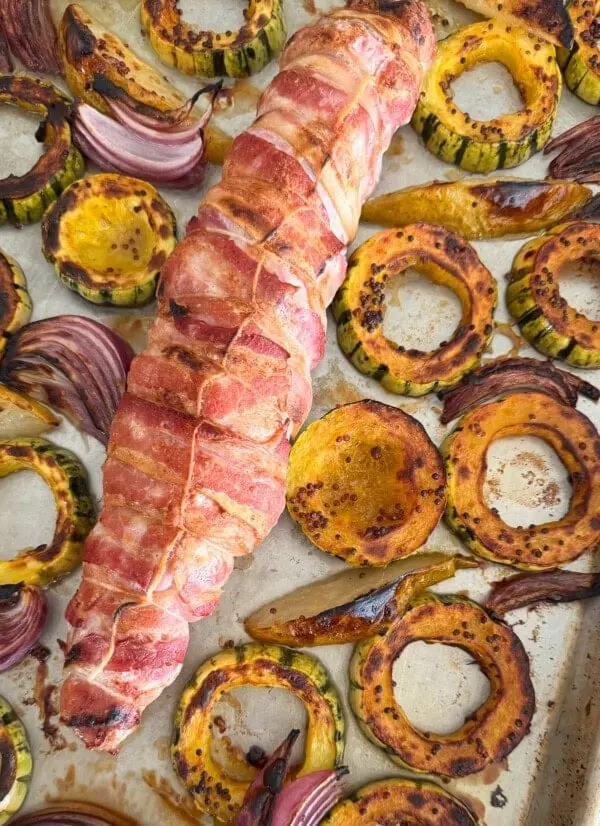
In the evolving landscape of home cooking, where efficiency often clashes with the desire for high-quality, seasonal flavors, a new approach to the classic pork tenderloin has captured the attention of culinary enthusiasts. The latest recipe from the Skinnytaste kitchen—a bacon-wrapped pork tenderloin roasted alongside delicata squash, caramelized onions, and fresh pears—serves as a compelling case study in how simple, one-pan preparation can yield sophisticated results. By bridging the gap between rustic autumn ingredients and elevated cooking techniques, this dish offers a template for the modern home cook seeking both nutrition and convenience.
The Evolution of a Seasonal Staple
The concept of wrapping pork in bacon is a time-honored technique, prized primarily for its ability to maintain the moisture of the lean meat during the roasting process. However, the integration of this technique into a comprehensive sheet-pan meal represents a shift toward more holistic, time-conscious meal planning. According to the culinary team behind the recipe, the inspiration for this particular iteration was rooted in previous successful ventures, specifically an air-fryer version of bacon-wrapped pork that garnered significant interest several years ago.
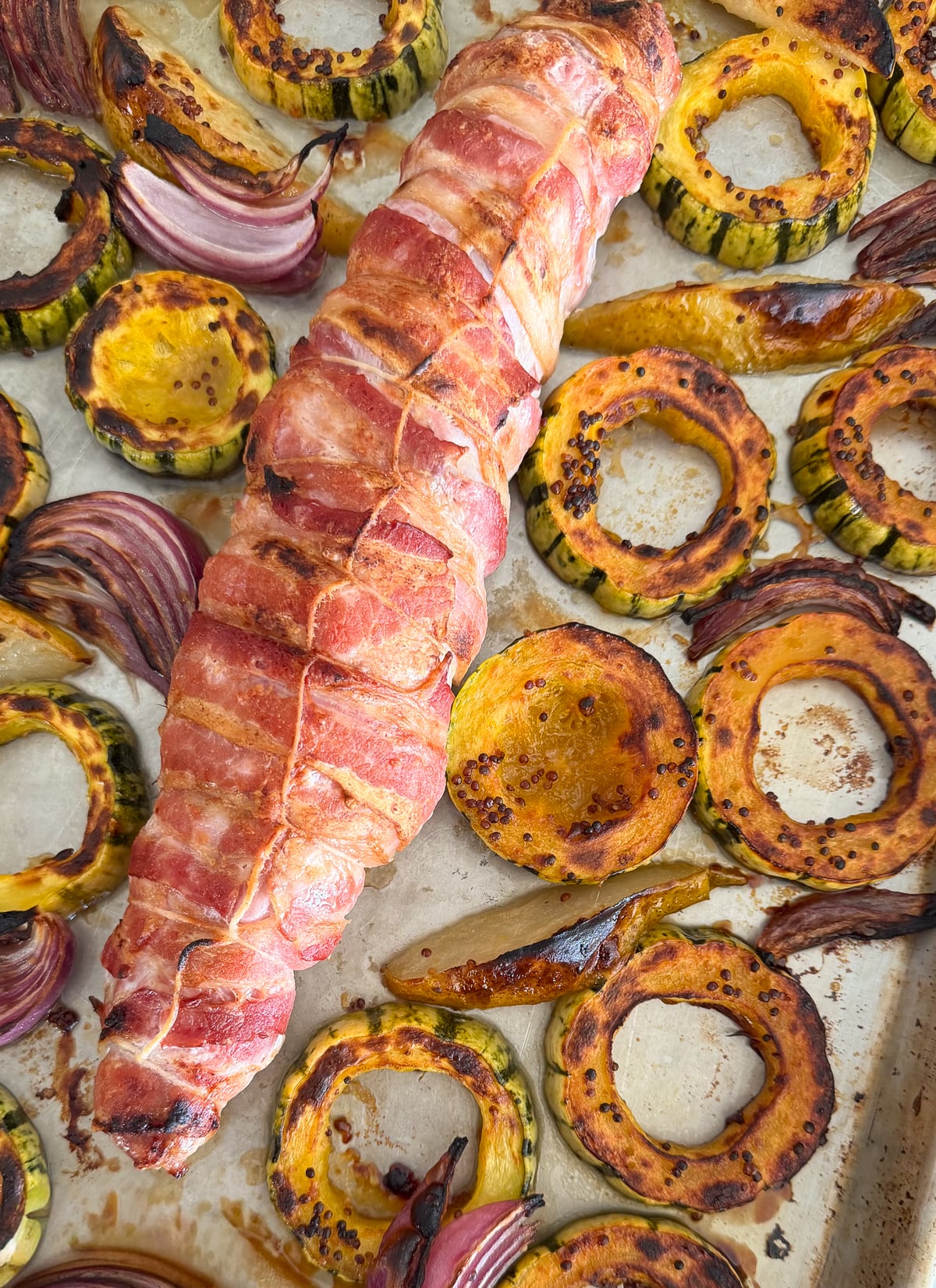
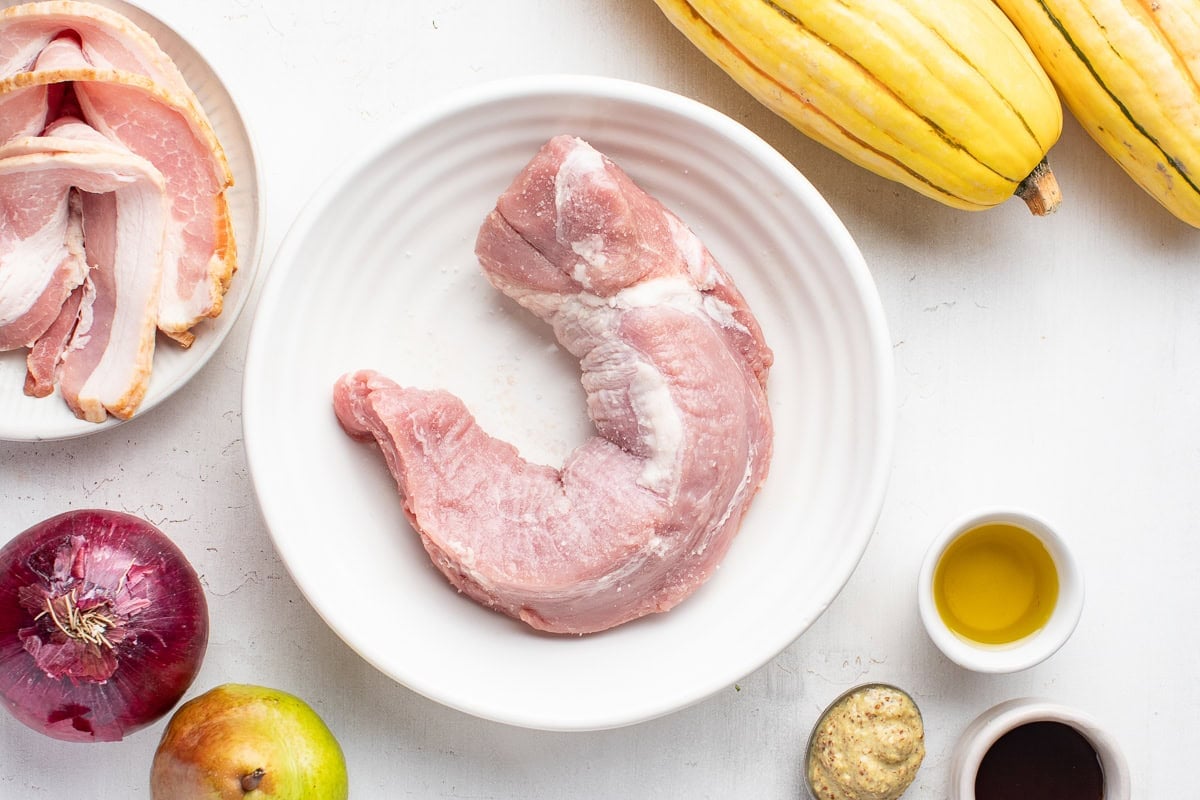
The transition from a specialized appliance to the universal sheet pan reflects a broader culinary trend: the move toward “low-maintenance, high-reward” cooking. By pairing the savory, smoky profile of the bacon-wrapped pork with the delicate sweetness of winter squash and seasonal pears, the dish achieves a balance of flavors that is emblematic of the autumn harvest. The choice of delicata squash is particularly notable, as the vegetable is often celebrated for its edible skin, fiber content, and subtle, nutty sweetness, which complements the maple and whole-grain mustard glaze applied to the components before roasting.
The Mechanics of the Sheet Pan Technique
The success of a sheet-pan dinner hinges on the harmony of cooking times and the structural integrity of the ingredients. In this recipe, the pork tenderloin serves as the centerpiece, anchored by the bacon which acts as both a flavor enhancer and a moisture barrier. The preparation requires minimal technical intervention, relying on the oven’s ambient heat to caramelize the onions and pears while simultaneously roasting the squash and cooking the pork to a safe, succulent finish.

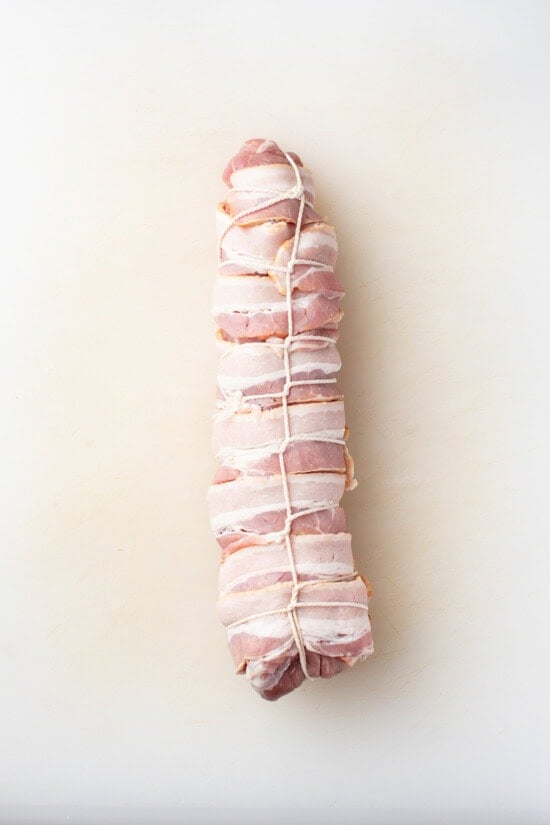
One of the logistical challenges often faced by home cooks with such recipes is the securing of the bacon during the cooking process. The traditional method utilizes kitchen string to ensure the bacon remains snugly against the tenderloin throughout the high-heat roasting phase. For those who lack specialized kitchen tools, the recipe suggests a simple, accessible alternative: the use of toothpicks. This minor adjustment ensures that the visual presentation—a key component of the dish—remains intact, allowing the bacon to crisp evenly without pulling away from the protein.
The Nutritional Profile and Culinary Balance
While the recipe is designed with an eye toward flavor, it does not sacrifice nutritional integrity. The inclusion of delicata squash provides a significant boost of vitamins A and C, along with essential potassium, rounding out a meal that balances animal proteins with plant-based fibers. At approximately 384 calories per serving, the dish is calibrated to satisfy the requirements of a balanced dinner, providing roughly 34 grams of protein while keeping saturated fats in check.

The use of whole-grain mustard in the glaze is a sophisticated touch, introducing a tangy complexity that cuts through the richness of the bacon. When combined with maple syrup, it creates a sticky, savory-sweet lacquer that develops as it hits the hot surface of the roasting pan. This reduction adds a depth of flavor that is often missing from simpler, one-pan preparations, demonstrating that health-conscious cooking need not be bland or monotonous.
Integrating the Dish into Modern Routines
For the busy home cook, the appeal of this dish extends beyond the flavor profile. The total preparation and cooking time, which clocks in at approximately 45 minutes, makes it a viable option for weeknight dinners. Furthermore, the inherent structure of the recipe lends itself well to meal planning. Because the components are roasted simultaneously, the cleanup is streamlined, requiring only a single pan, which remains a primary selling point for those managing demanding schedules.
Storage and reheating instructions suggest that the dish holds its quality well, making it an excellent candidate for those who practice "cook once, eat twice" strategies. By roasting the tenderloin and vegetables in a single batch, households can ensure they have a high-protein, fiber-rich meal ready for the following day. This practicality, combined with the seasonal nature of the ingredients, has cemented this specific bacon-wrapped pork tenderloin as a standout within the broader catalog of sheet-pan recipes.
The Broader Impact on Home Cooking
The popularity of such recipes reflects a shifting philosophy in the kitchen. There is a growing preference for meals that utilize fresh, recognizable ingredients—like pears, onions, and winter squash—rather than processed alternatives. The trend toward incorporating fruit into savory dishes, such as the use of pears in this roast, highlights a willingness among home cooks to experiment with flavor profiles that were once relegated to professional kitchens.
As the culinary community continues to prioritize accessible, healthy, and visually appealing meals, the bacon-wrapped pork tenderloin stands as a testament to the versatility of the sheet-pan format. It is a dish that honors the traditional roots of roasting while embracing the modern necessity for efficiency and health. Whether prepared for a quiet family dinner or a more involved seasonal gathering, the combination of smoky, salty, and sweet elements offers a timeless quality that transcends the limitations of its simple preparation.
With its focus on quality ingredients and a straightforward method, this recipe encourages home cooks to step away from the stress of complex meal preparation. By relying on the natural synergy between protein and seasonal produce, the dish achieves a level of culinary satisfaction that is both attainable and sustainable for the long term. As more individuals seek out recipes that align with their health goals without compromising on taste, this particular sheet-pan dinner remains a reliable, flavorful, and sophisticated staple for the modern table.