
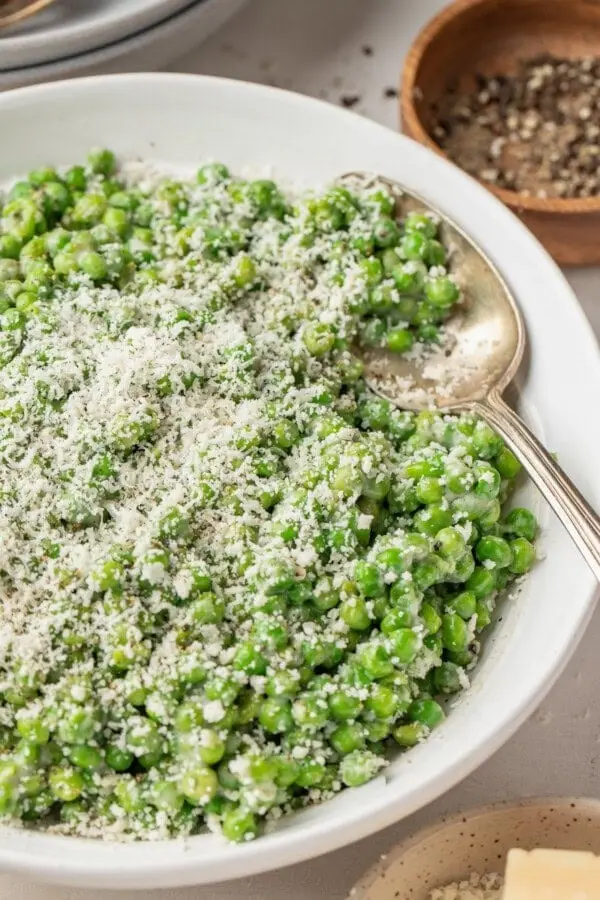
In the landscape of modern home cooking, the challenge of elevating simple, pantry-stable ingredients into something memorable remains a constant pursuit. Recently, a culinary trend has emerged that seeks to reinvent the common frozen green pea, moving it from the background of a dinner plate to the star of the show. By borrowing the iconic, bold flavor profile of the classic Roman pasta dish cacio e pepe—which translates simply to "cheese and pepper"—home cooks are finding that a bag of frozen peas can be transformed into a sophisticated, flavor-packed side dish in just ten minutes.
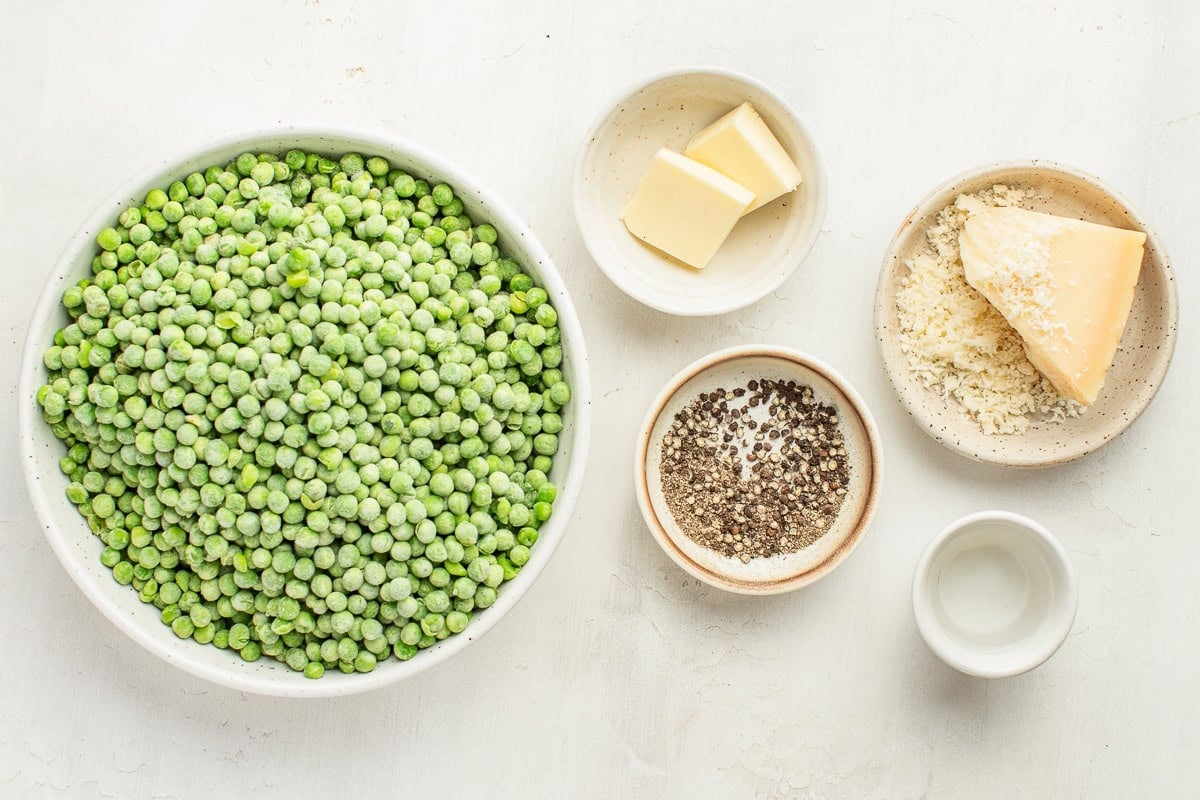
The dish relies on a minimalist approach, requiring only four core ingredients: frozen green peas, butter, Pecorino Romano cheese, and freshly cracked black pepper. While peas are a staple in many households, they are frequently relegated to being a secondary component in soups, stews, or heavy casseroles. The shift in perspective here is to treat the vegetable as a vessel for the sharp, salty, and spicy combination that defines the beloved Italian pasta staple.
The Appeal of Simplicity and Nutrition
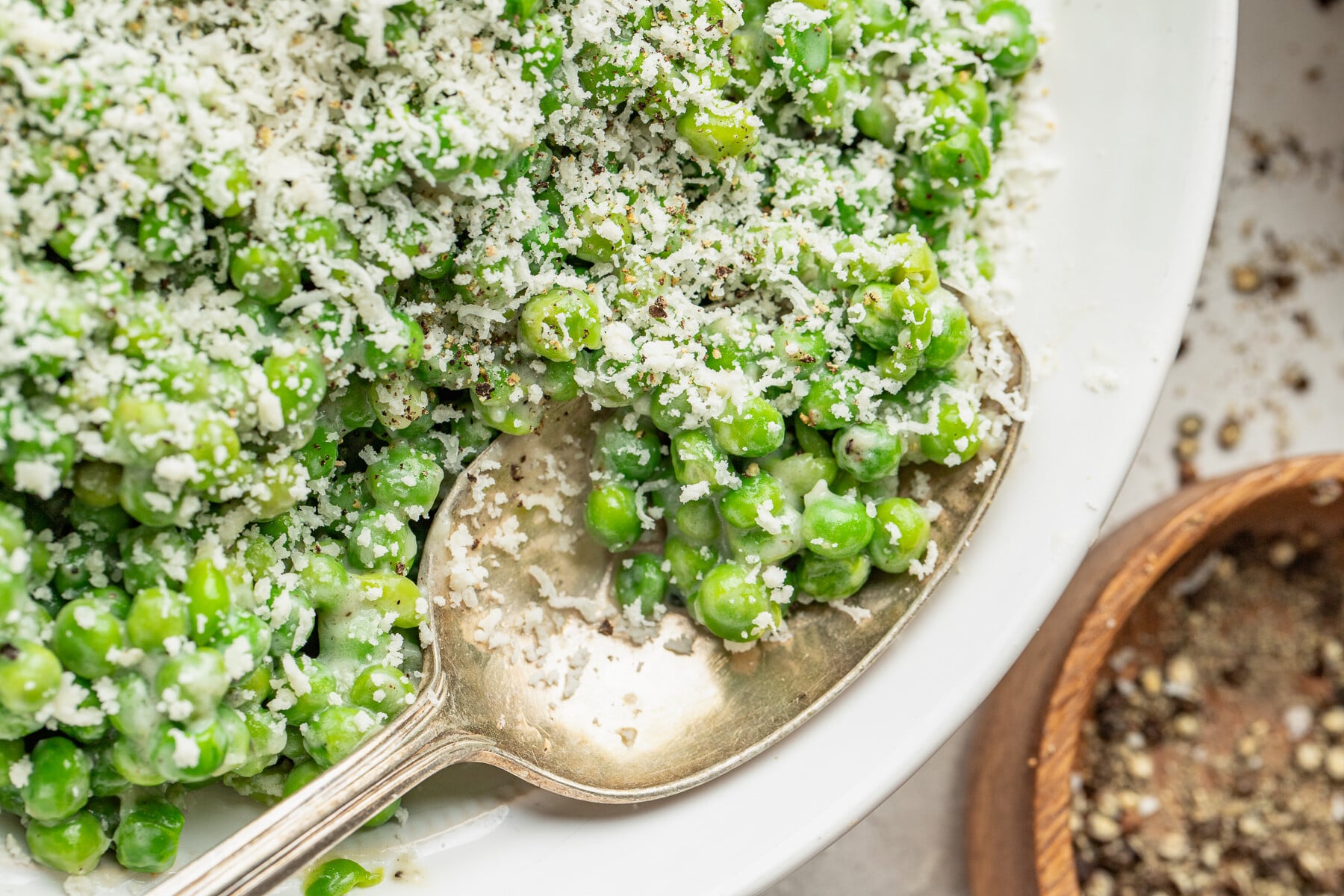
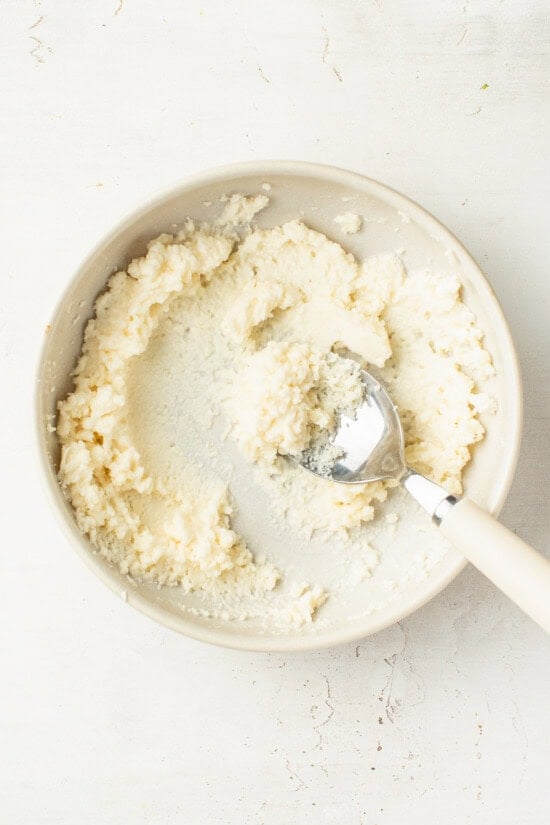
For those looking to increase their daily fiber and plant-based protein intake, this preparation offers a compelling solution. Many home cooks struggle to find vegetable preparations that feel indulgent while remaining healthy. The combination of the natural sweetness of the peas against the sharp, salty bite of Pecorino Romano creates a complex flavor profile that belies the simplicity of the preparation. The butter acts as an essential binder, emulsifying with the cheese and a touch of cooking water to create a silky, light sauce that coats each pea.
The nutritional profile of this dish is particularly notable for those mindful of their dietary goals. A standard serving of these prepared peas provides a significant fiber boost, helping to reach the recommended daily intake of 25 to 30 grams. With approximately 154 calories per three-quarter cup serving, the dish provides a balanced inclusion of protein and essential nutrients, making it a viable addition to a variety of dietary patterns, from weeknight family dinners to more elaborate holiday spreads.
A Masterclass in 10-Minute Preparation
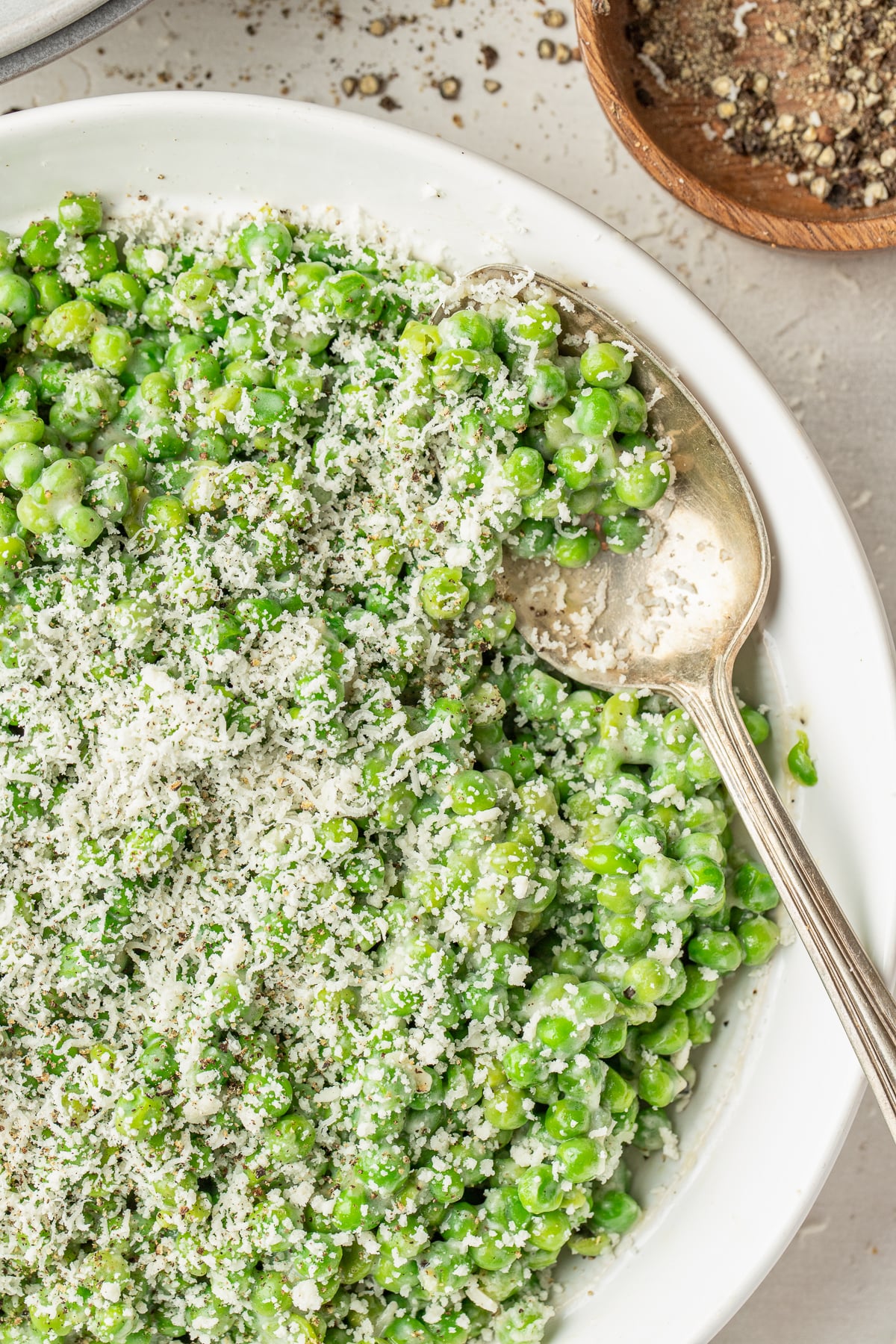
The technical brilliance of this dish lies in its efficiency. Unlike many vegetable side dishes that require blanching, steaming, or roasting, this preparation utilizes the direct heat of a skillet to achieve the desired texture without the need to thaw the peas in advance. By tossing the frozen peas directly into a hot pan with a small amount of butter, the peas reach a perfect, bright-green tenderness in minutes.
The integration of the cheese is where the dish mimics its pasta inspiration. The addition of a small amount of water to the pan, combined with the heat and the finely grated Pecorino, allows the cheese to melt into a creamy coating rather than clumping. This creates the classic, glossy finish associated with traditional Roman pasta preparation. The liberal use of freshly cracked black pepper is not merely a garnish; it is a structural element of the flavor profile that cuts through the richness of the cheese and highlights the inherent sweetness of the peas.

Versatility in the Kitchen
While the dish is designed as a standalone side, its utility in the kitchen extends far beyond that. Its flavor profile—sharp, salty, and slightly sweet—makes it an exceptionally versatile component. For those seeking a more substantial meal, incorporating these peas into a bowl of warm orzo or other pasta shapes creates an immediate, effortless main dish. The residual heat from the pasta helps to further loosen the cheese coating, resulting in a cohesive and satisfying meal.
When considering pairings, the dish’s neutral but bright profile allows it to complement a wide array of proteins. It functions as an ideal accompaniment to classic poultry dishes, such as an air-fried rotisserie chicken, or more complex preparations like a skillet chicken cordon bleu. Its adaptability also extends to pork, particularly when paired with a light dijon herb sauce. For those looking for a lighter approach, these peas can even be spooned over toasted bread with a layer of ricotta, creating a sophisticated lunch option that elevates the humble vegetable to bistro quality.

Culinary Considerations for Best Results
Achieving the perfect texture and flavor balance requires attention to a few simple techniques. Using high-quality, freshly grated Pecorino Romano is essential, as pre-grated cheeses often contain anti-caking agents that can interfere with the formation of the smooth, emulsified sauce. The quality of the black pepper also matters; using a coarse, freshly cracked variety provides the necessary aromatic intensity to balance the cheese.
For those planning ahead, the dish holds up reasonably well, though it is best enjoyed immediately. If leftovers are stored in an airtight container for up to four days, the reheating process is key to maintaining the texture. It is recommended to reheat the peas gently in a skillet or microwave and to add the cheese mixture—or even a fresh dusting of Pecorino—after the peas have reached the desired temperature. This ensures that the cheese remains smooth and the sauce does not separate, maintaining the integrity of the dish for subsequent servings.
Addressing Common Kitchen Queries
As with any recipe that relies on so few ingredients, questions regarding substitutions and techniques often arise. One common inquiry is whether the peas require thawing. Experience has shown that there is no need for such preparation; the direct heat method is perfectly sufficient. Another common question involves the use of Parmesan in place of Pecorino. While Parmesan offers a milder, slightly sweeter profile, it is an acceptable substitute for those who find Pecorino too sharp. However, for those seeking the authentic, bold, and salty characteristics of the cacio e pepe style, the sheep’s milk base of the Pecorino is preferred.
Similarly, the choice between salted and unsalted butter is a matter of preference. Because Pecorino Romano is naturally quite salty, many cooks find that unsalted butter provides better control over the final seasoning of the dish. It is always best to taste the peas after the cheese has been fully incorporated before deciding if additional salt is necessary.
Integrating the Dish into the Routine
The success of these cacio e pepe peas highlights a broader trend in home cooking: the desire for meals that are high in quality and nutrition but low in time and complexity. By looking at familiar ingredients through a new lens, it is possible to create variety without the need for extensive shopping trips or complicated techniques. This dish represents an intersection of classic Italian technique and modern convenience, proving that even the most overlooked freezer staples can be transformed into a dish that is worthy of a place at any table. Whether serving as a quick, fiber-rich lunch or a sophisticated side at a holiday gathering, the dish remains a testament to the idea that simple, well-executed food is often the most rewarding.