
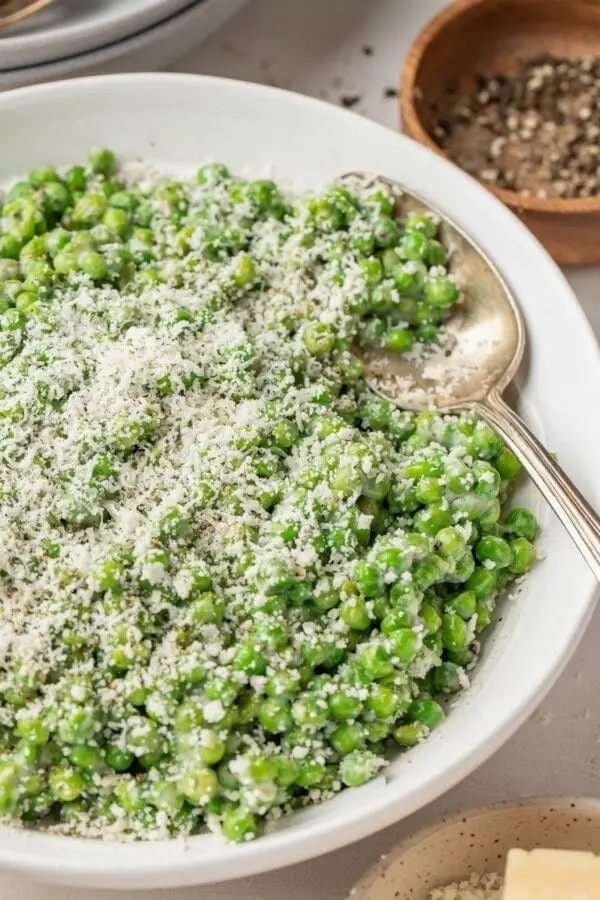
In the ever-evolving landscape of home cooking, few items are as ubiquitous yet often overlooked as the humble bag of frozen green peas. While they have long served as a reliable, if uninspired, filler for soups, stews, and casseroles, a new culinary trend is challenging the perception of these small legumes. By drawing inspiration from the legendary Roman pasta dish, cacio e pepe, home cooks are discovering that a simple fusion of sharp cheese and bold spice can transform frozen peas into a sophisticated and satisfying side dish in mere minutes.
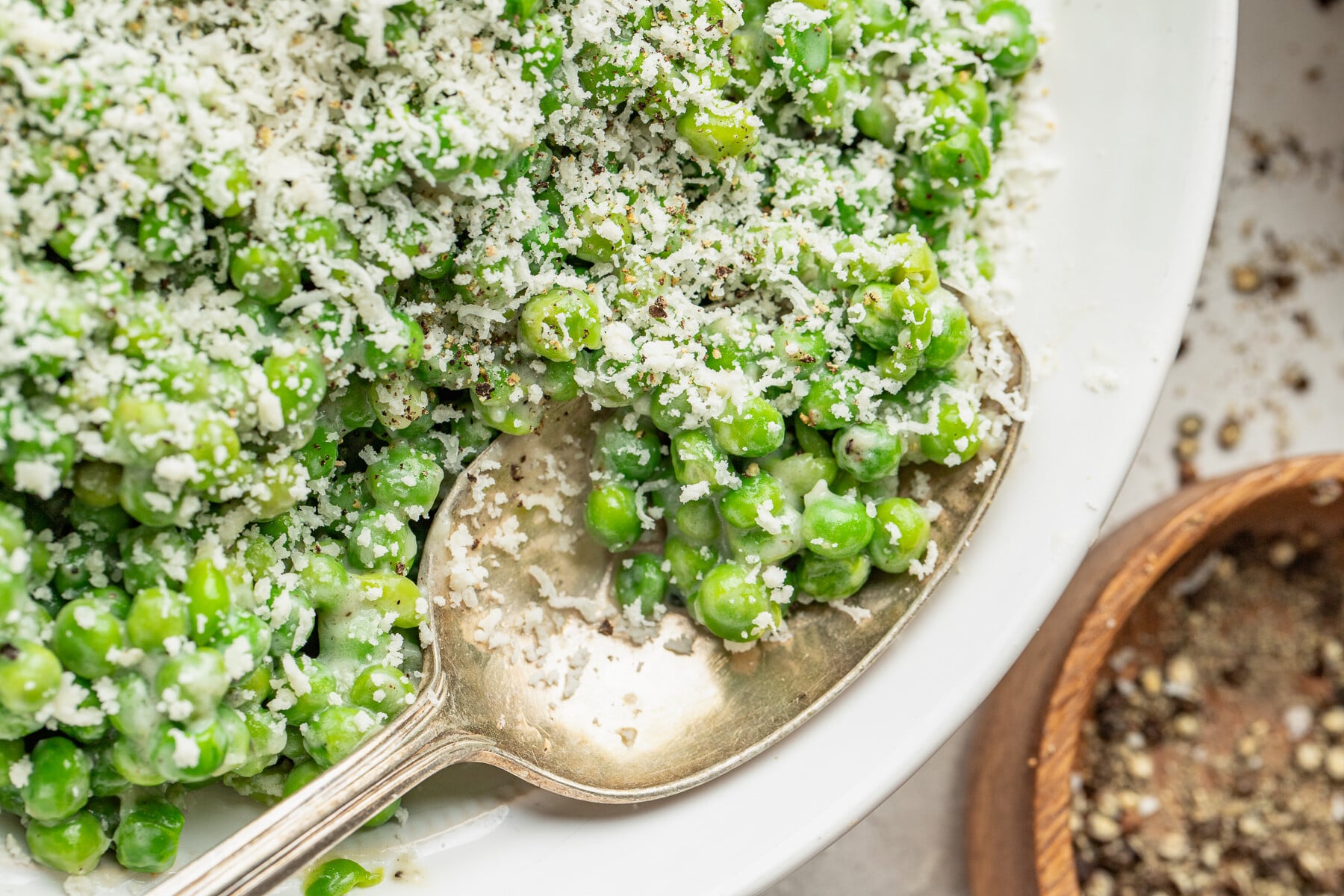
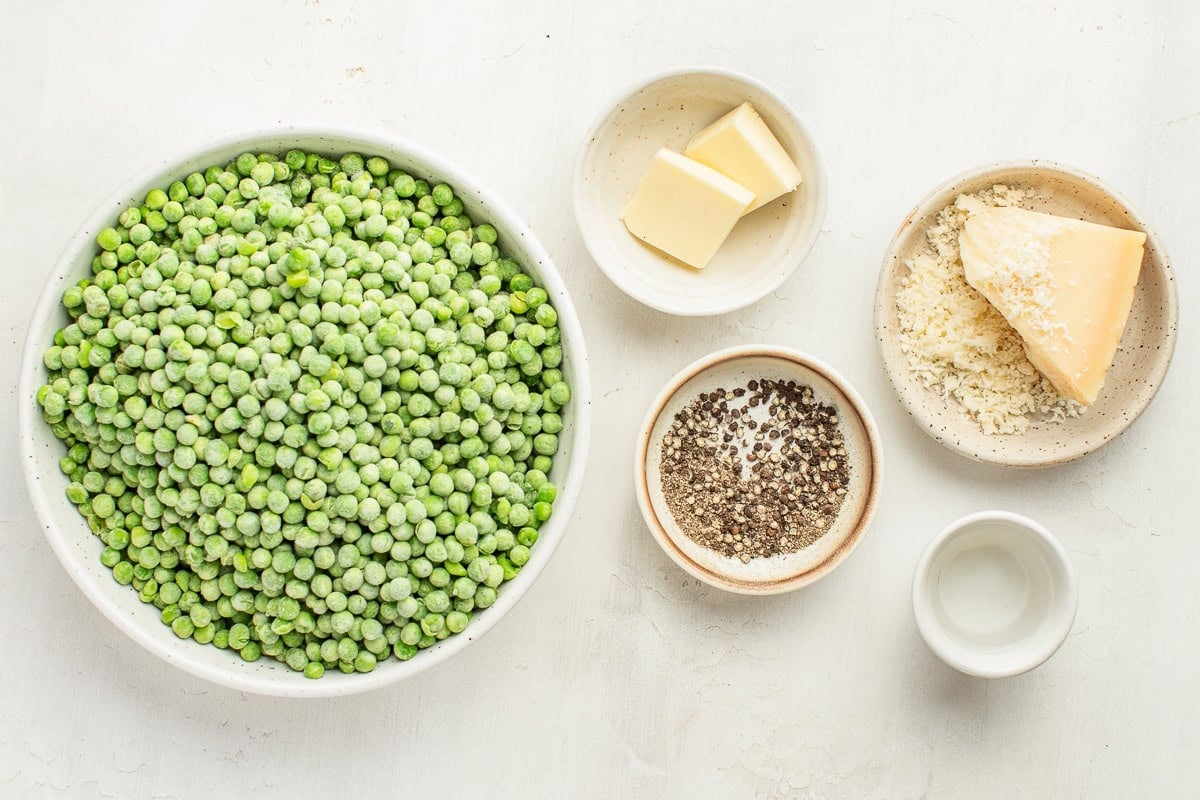
The appeal of this approach lies in its radical simplicity. By combining just four core ingredients—frozen green peas, high-quality butter, freshly cracked black pepper, and Pecorino Romano cheese—the dish manages to elevate the inherent sweetness of the peas with a savory, peppery punch. This transformation addresses a common frustration for many home cooks: the struggle to find vegetable side dishes that are both nutritious and genuinely exciting to eat.
A Fresh Take on a Forgotten Vegetable
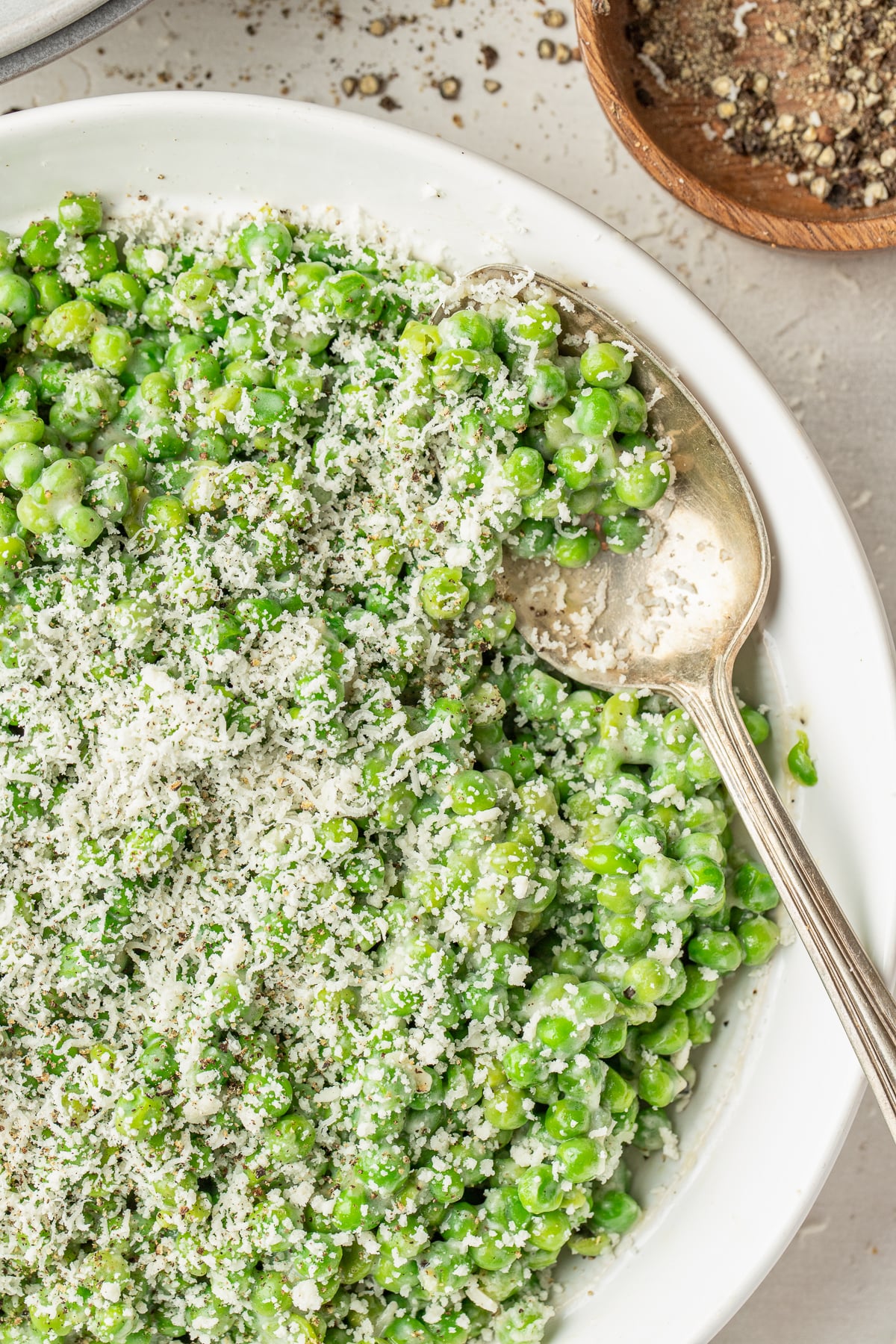
For many, green peas have occupied a secondary role in the kitchen, often relegated to the background of more complex recipes. Culinary enthusiasts and home cooks have noted that while peas are packed with essential fiber and plant-based protein, they rarely command the spotlight. Recent social media trends, however, have highlighted a shift toward revitalizing these staples, and the cacio e pepe preparation has emerged as a frontrunner.

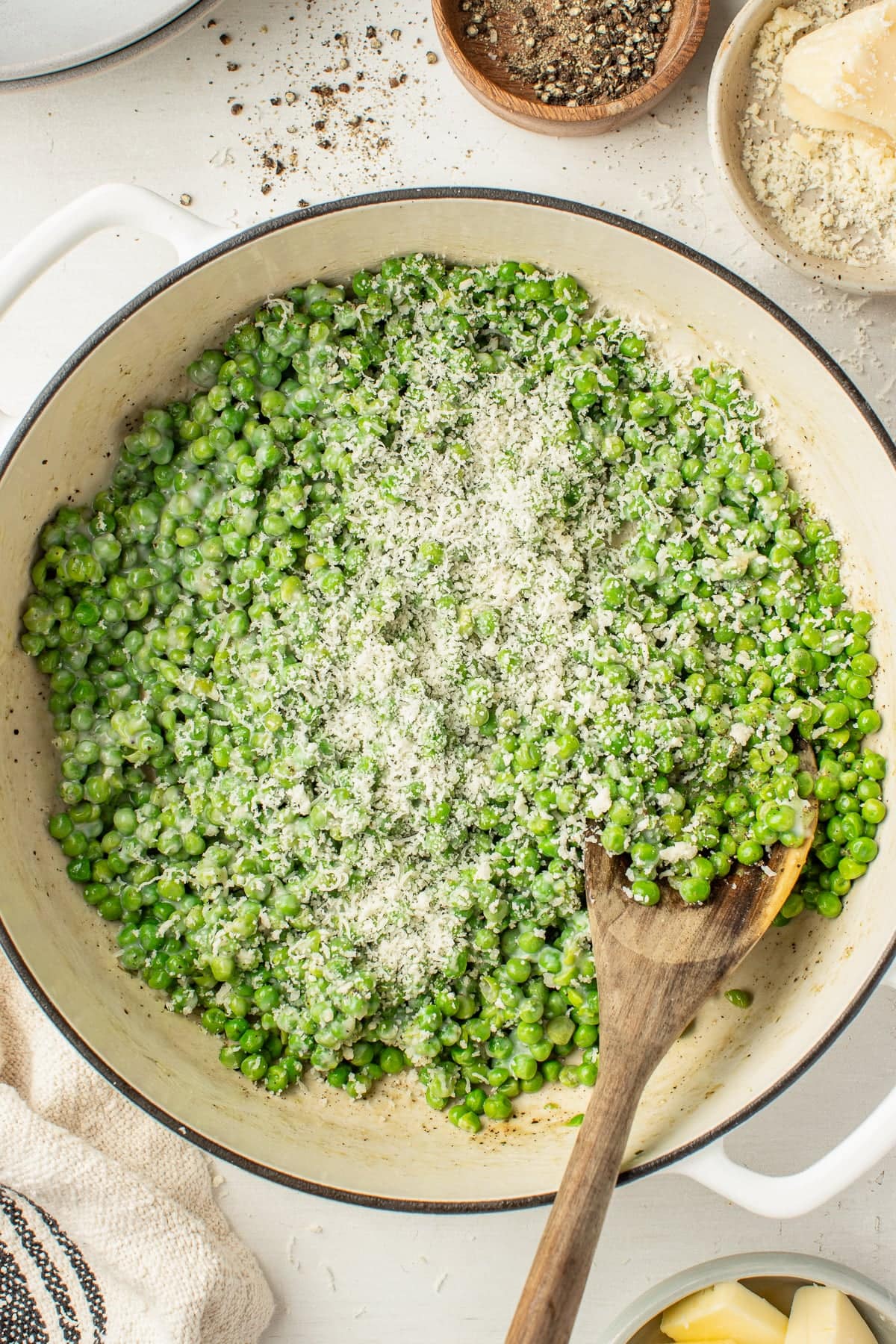
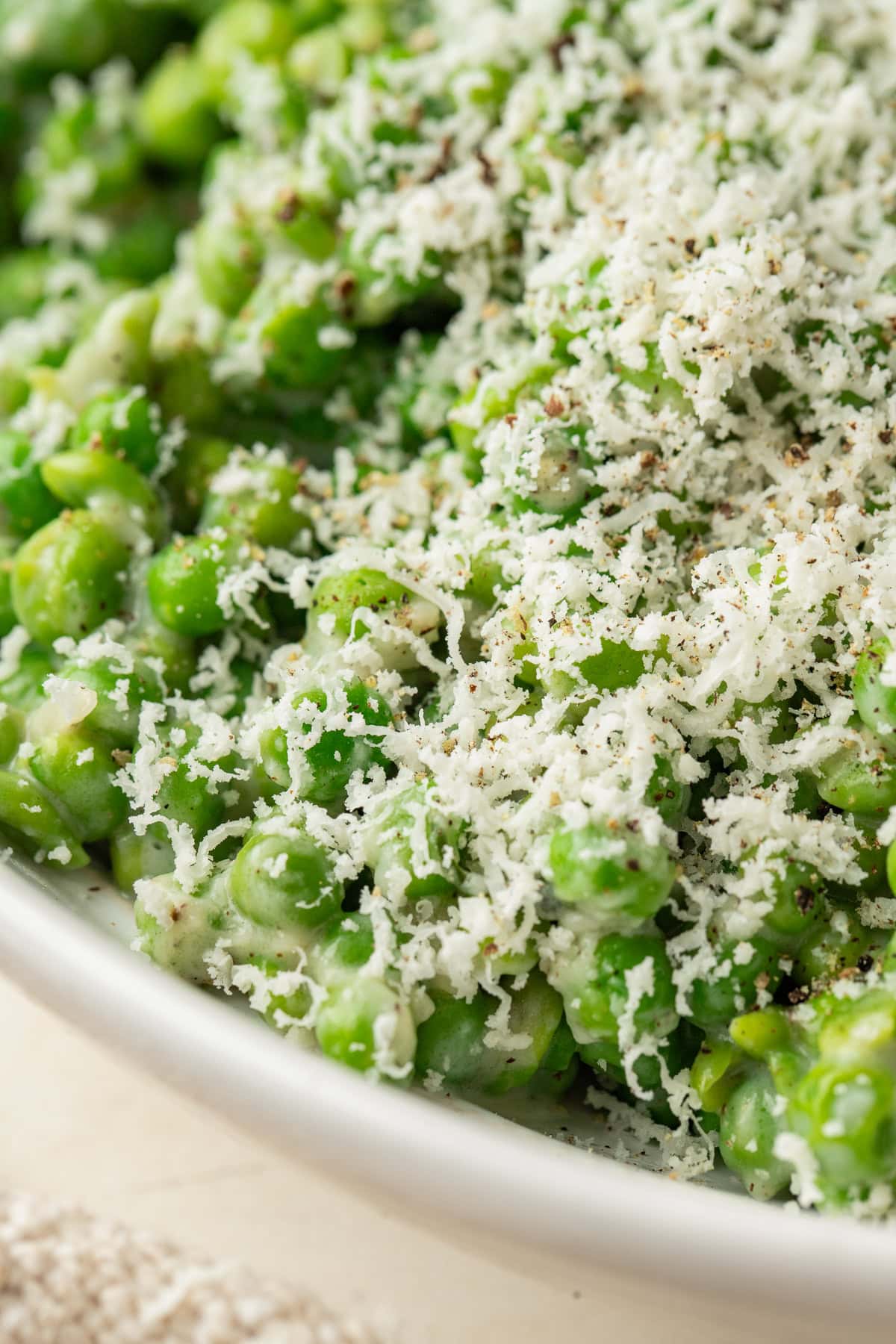
The success of the dish is rooted in the balance of flavors. The sharp, salty profile of Pecorino Romano acts as a perfect counterpoint to the natural, mild sweetness of the peas. When emulsified with a small amount of butter and the aromatic heat of freshly cracked black pepper, the result is a creamy, flavorful coating that clings to each pea. This technique effectively mirrors the classic pasta preparation, proving that the flavor profile is not exclusive to starchy noodles but can thrive on a bed of vegetables.

From a nutritional perspective, this preparation offers a compelling incentive for those seeking to increase their daily fiber intake. As many health-conscious individuals aim for a target of 25 to 30 grams of fiber per day, finding easy, accessible, and palatable ways to incorporate more vegetables is a constant challenge. The cacio e pepe pea dish provides a solution that is both approachable for busy weeknights and elegant enough to be scaled up for larger gatherings, such as holiday meals or dinner parties.
The Efficiency of Modern Home Cooking
One of the most significant advantages of this recipe is its minimal time requirement. In an era where many households are balancing demanding schedules, the ability to produce a refined side dish in approximately ten minutes is a notable development. The preparation process is intentionally streamlined; the peas require no thawing, moving directly from the freezer to the skillet.
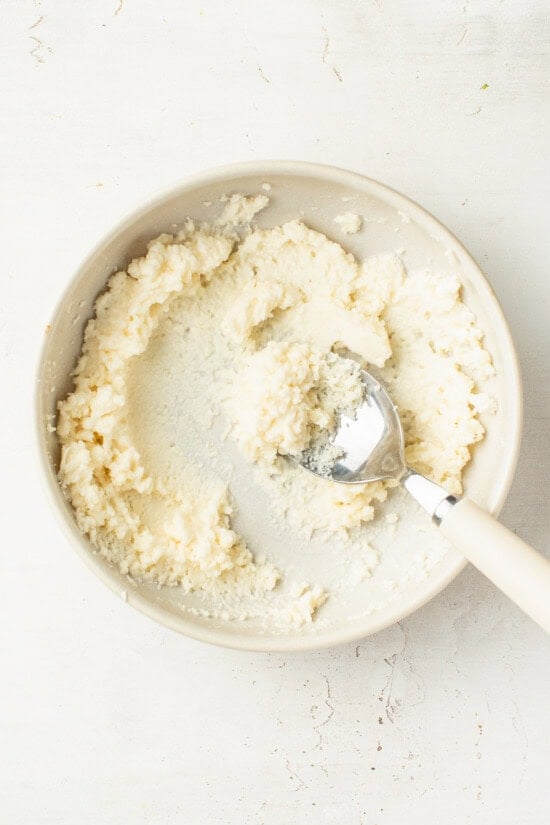
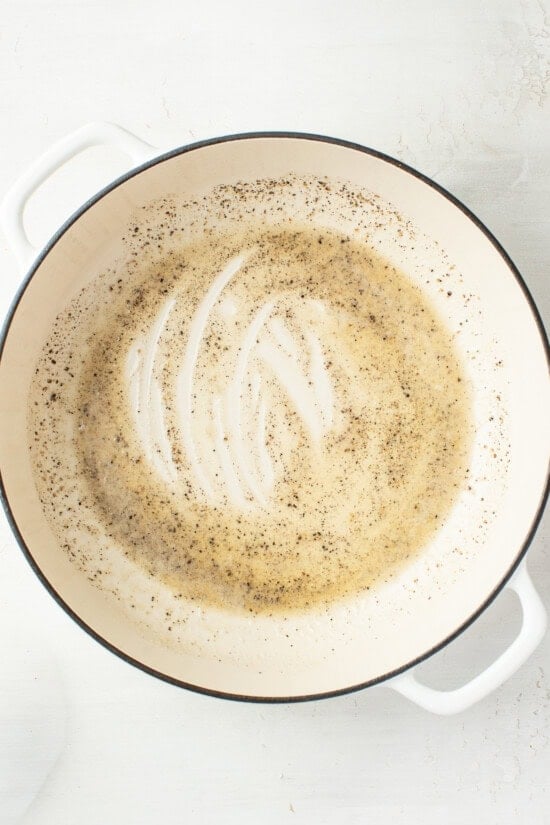
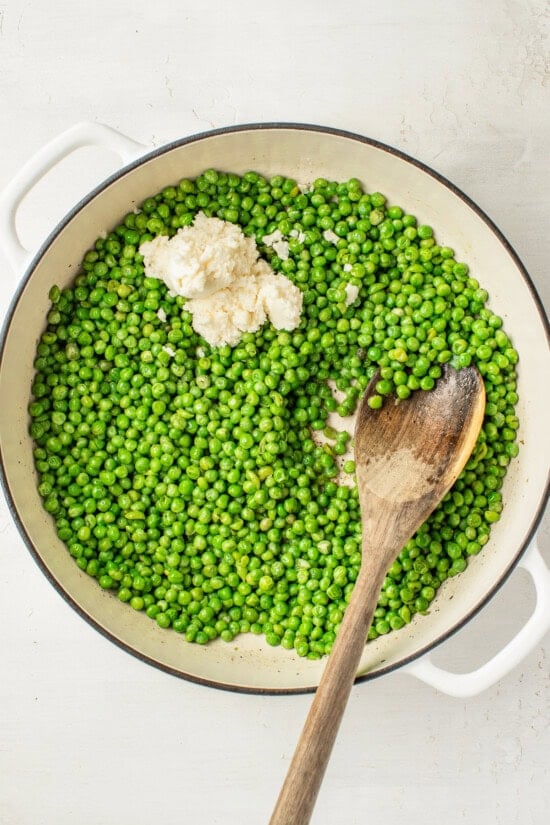
The process involves heating the butter and black pepper until fragrant before introducing the frozen peas. Once the peas are heated through, the final step is the addition of the Pecorino Romano and a splash of water to create a silky, emulsified sauce. This efficiency makes it a practical option for the home cook who prioritizes quality but lacks the time for elaborate culinary maneuvers.
Culinary Adaptations and Versatility
The versatility of this dish extends beyond its role as a simple side. Because the flavor profile is so deeply rooted in a classic Italian foundation, it lends itself to various culinary adaptations. For those looking to create a more substantial meal, mixing the finished peas into warm orzo or other pasta shapes is a popular variation. By adding a bit of reserved pasta cooking water, the cheese coating can be loosened, resulting in a cohesive and satisfying dish that bridges the gap between a side and a main course.
Furthermore, the dish demonstrates a remarkable ability to pair with a wide array of proteins. Whether served alongside roasted chicken, pork chops with a dijon-herb sauce, or even a classic air-fried rotisserie chicken, the cacio e pepe peas provide a bright, savory contrast that elevates the plate. Some have even experimented with serving the mixture over toasted bread topped with ricotta, demonstrating the flexibility of the recipe for lunch or quick snacks.
Practical Considerations for Preparation and Storage
Achieving the best results with this dish relies on a few key practices. While the recipe is straightforward, the quality of the ingredients plays a significant role. The use of authentic Pecorino Romano is recommended to achieve the characteristic sharpness of the cacio e pepe style; however, Parmesan can be used as a milder alternative. Additionally, when seasoning, it is important to remember the salt content inherent in the cheese, making it wise to taste the dish before adding additional salt.
For those planning ahead, the dish stores well in an airtight container for up to four days. However, the texture is best maintained if the cheese is added at the point of service rather than during the initial cooking phase. If reheating, warming the peas in a skillet or microwave and then finishing with the cheese and a splash of water ensures the sauce retains its smooth, emulsified quality. While fully dressed leftovers can be reheated, the cheese may occasionally lose its perfect consistency, making the "add-at-the-end" approach a preferred method for optimal results.

Ultimately, the rise of cacio e pepe peas serves as a reminder that culinary innovation does not always require exotic ingredients or complex techniques. Sometimes, the most rewarding results come from applying the principles of classic flavor pairings to the most accessible items in our pantries. By transforming a simple frozen vegetable into a vibrant, savory experience, this dish has earned its place as a versatile and reliable addition to the modern home kitchen repertoire.