
A brand-new water tower in the small Panhandle town of Turkey carries a price tag of $3 million. Upgrades for a local museum in Stamford total $400,000, while a first responders appreciation barbecue in Medina County ran $10,000.
These public investments are just a fraction of the financial commitments data center companies have rolled out across rural Texas over the past year. Driven by a massive nationwide boom in digital infrastructure and artificial intelligence, tech firms and data center developers have quietly and overtly injected unprecedented sums into communities far away from major metropolitan centers.
According to a comprehensive analysis by The Texas Tribune, data center companies have donated or invested more than $343 million across the Lone Star State to address various local needs. These contributions have funded school programs, critical infrastructure repairs, emergency services, and healthcare facilities. Much of that money has flowed directly into the very communities that have historically pushed back against industrial development, functioning as a concerted effort to win over skeptical publics using bottomless corporate bank accounts.
The Tribune reviewed public meeting agendas, corporate news releases, and interviewed local officials to construct the first statewide accounting of how data centers are deploying capital in Texas. Because many corporate contributions occur off the public record or through private foundations, the $343 million total is likely a conservative undercount of the true financial footprint.
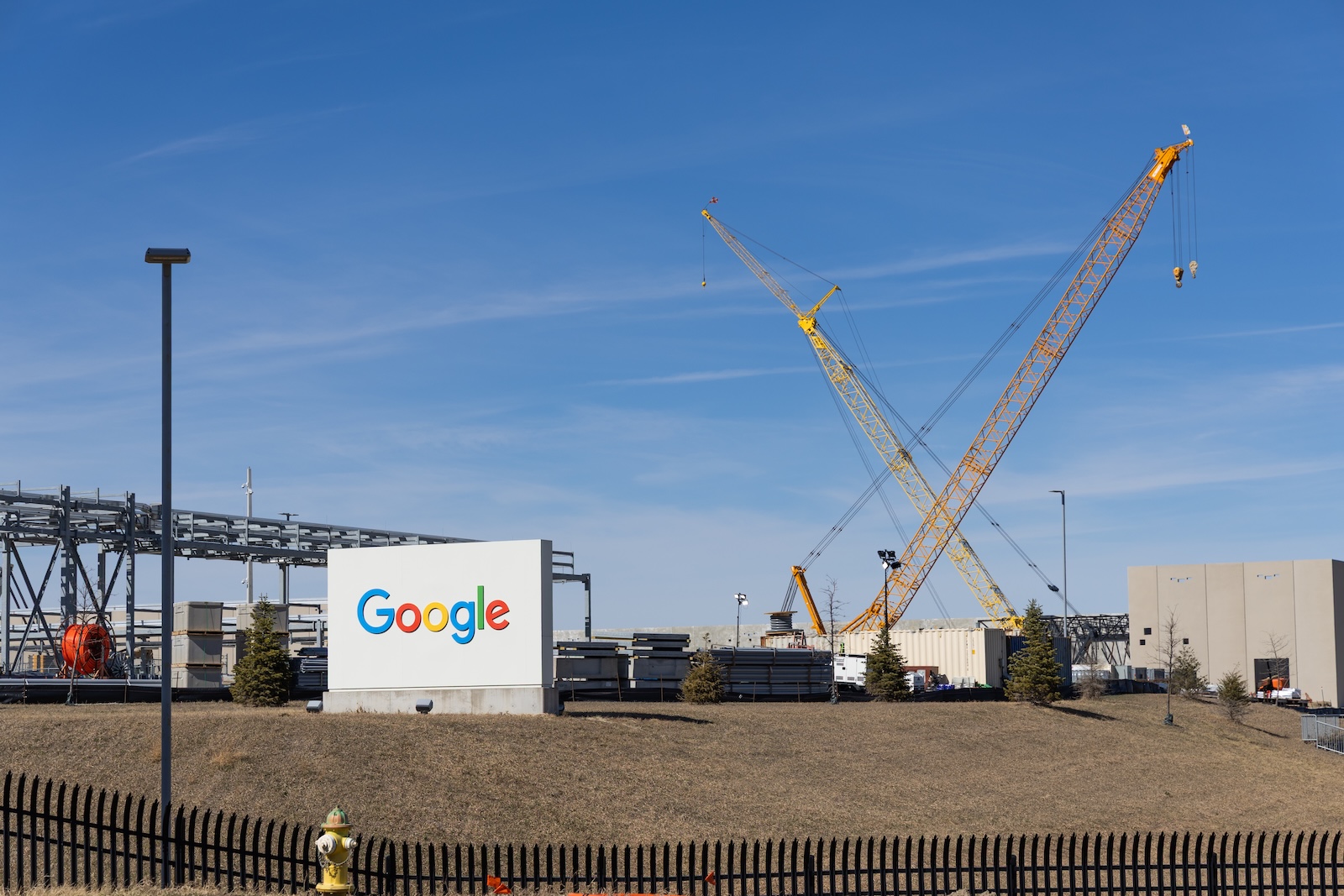
Tech giants like Google have funneled millions into the Haskell area to support its local hospital, pregnancy center, and other civic causes. Meanwhile, Rowan Digital Infrastructure has committed $38 million to the city of Temple for vital water infrastructure projects, alongside additional funding aimed at establishing STEM centers in nearby rural schools.
In addition to one-off donations, data centers have established recurring community action grants to fund ongoing local projects. Initiatives like Google’s Texas Water Impact Fund provide direct financial backing to restore watersheds and alleviate local anxieties regarding resource depletion, supplementing direct lump-sum donations to municipal and state coffers.
Navigating Fiscal Cliffs and Public Skepticism
As data centers expand rapidly across Texas, many rural municipalities are grappling with severe fiscal pressures brought on by legislative property tax cuts, persistent inflation, and broader economic uncertainty. For cash-strapped local governments facing the prospect of deteriorating public services, data center developers have stepped into the vacuum as unexpected benefactors.
"There is no question that these data centers are an opportunity for rural communities that are living in the margin," said Suzanne Bellsnyder, an editor and publisher of two Panhandle newspapers and a rural-focused Substack. "Most infrastructure resources are paid with tax dollars, and there’s not a ton there."
Corporate philanthropy in rural Texas is not a novel concept. For generations, West Texas oil and gas companies have routinely donated to volunteer fire departments, supported local police stations, and organized back-to-school backpack drives to weave themselves into the social fabric of their host communities.
At the same time, the data center industry has benefited significantly from lucrative government tax incentives. An analysis published earlier this year by The Texas Tribune revealed that the state will forgo at least $3 billion in sales tax revenue over a two-year period due to targeted exemptions designed to court the booming digital infrastructure sector.

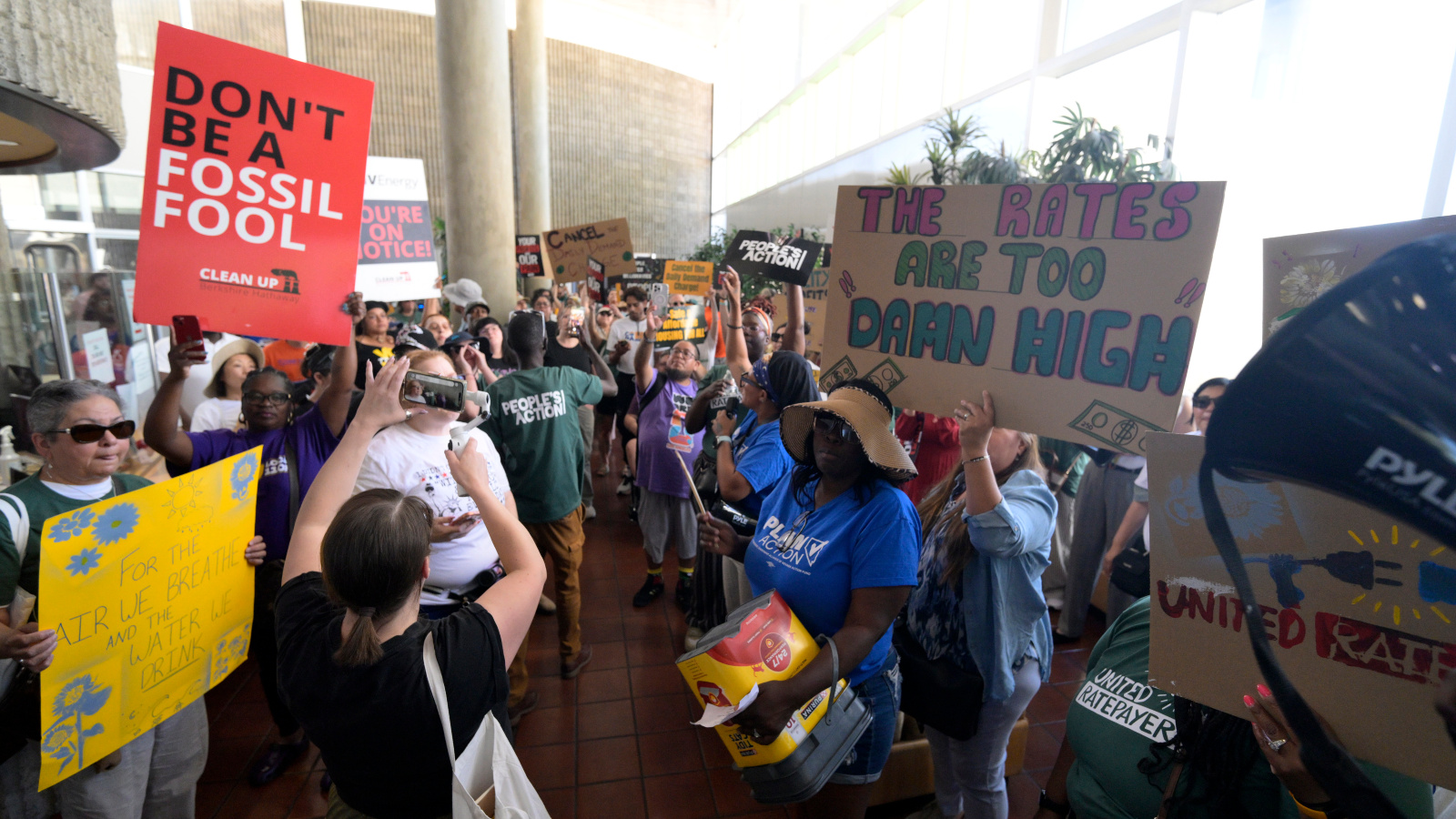
Despite the influx of corporate cash, data center developers face an uphill battle when it comes to public perception. According to an August poll conducted by the Texas Politics Project—a nonpartisan research organization focused on state government—57 percent of respondents indicated they would oppose the construction of a data center in their own communities. Common concerns include soaring electricity bills, strains on limited water supplies, and housing market volatility.
"I hope their intentions are good, and they’re not just trying to buy these communities off," Bellsnyder noted.
Rebuilding After Disaster in Temple
The complexities of this corporate-municipal dynamic are vividly illustrated in Temple, a city of roughly 96,000 residents located about 70 miles north of Austin. Two years ago, a powerful tornado tore through the community, leaving widespread devastation in its wake. Hundreds of homes and local businesses were severely damaged or entirely destroyed, including the Sammons Community Center—a treasured neighborhood hub where senior citizens gathered for meals, swimming, and recreational activities.
The estimated recovery cost for the city topped $7.7 million.
Into this rebuilding phase stepped Rowan Digital Infrastructure, a firm currently developing a massive $4.2 billion data center campus consisting of six facilities in East Temple. Earlier this month, Rowan announced a $38 million investment package dedicated to Temple’s public infrastructure. The commitment includes $25 million directed toward the South Temple Water Infrastructure Capital Program and $10 million for a local aquifer storage and recovery program.
To address the loss of the Sammons Community Center, city leaders proposed a $15 million municipal bond to finance reconstruction. If local voters approve the measure, Rowan has pledged an additional $3 million to support the project.
For Temple Mayor Tim Davis, Rowan’s proactive investment strategy stands out, particularly because the company’s facilities are still under development and not yet generating operational revenue for the municipality.
"To go ahead and invest dollars into the community for a current need is very generous of them," Davis said. "That tells me they want to work hard to have a positive impact, and they’ve chosen to help the city."
Gaining public trust has required sustained community outreach. Nathaniel Brown, director of public relations for Rowan, acknowledged that integrating industrial-scale facilities into established neighborhoods is challenging. To bridge the gap, the company initiated monthly neighbor dinners where residents can meet construction teams and ask questions directly. Rowan has also hosted public open houses and launched dedicated social media platforms to maintain transparency regarding project timelines.
"This development doesn’t happen in a vacuum," Brown said. "It needs to be able to fit into the community’s vision for their area."
Google has deployed a parallel engagement strategy. Alongside regular town halls, the technology company hosted a community dinner in August to announce a $6 million funding package for nonprofit organizations across Haskell, Stamford, and Rule.
Suzie Shin, manager of data center sustainability programs for Google, explained that these investments reflect an effort to listen and respond directly to public concerns. In addition to funding educational initiatives, Google committed $4.5 million to help Vernon—a town of fewer than 10,000 residents—repair a failing, leaky municipal pipeline. Shin emphasized that modernizing local water and wastewater infrastructure benefits the entire community, not just the industrial users.
"I think there’s a win-win for communities," Shin said. "Again, we have employees who live and work there. We are part of the community. It’s a great way to show the value and help improve outcomes, not only for the watershed but for the water users there."
Balancing Opportunity and Long-Term Identity
While local leaders appreciate the immediate financial relief, rural residents and publishers like Bellsnyder remain cautious, mindful of the boom-and-bust cycles that have historically defined industrial development in Texas. Spearman, where Bellsnyder lives, was originally built around an oil and gas service industry; when those businesses eventually departed, the town lacked a sustainable, long-term economic diversification plan.
"I don’t want our entire identities to be built around what one company can provide to us," Bellsnyder said. "We still need to figure out ways to take care of our own business. Nobody likes taxes, but taxpayers will have to be invested in the community."
Pros vs. Cons
The tension between skepticism and absolute necessity is evident in Turkey, a tiny Panhandle municipality of roughly 275 residents. When the town’s aging municipal water tower failed, residents were left without running water for weeks, forcing many to temporarily relocate. City Manager Lynette Findley noted that while local officials had known for years that the tower was nearing the end of its lifespan, the town’s modest $500,000 annual budget left no margin to pay for a replacement.
Shortly after the failure, QTS Data Centers—a major global developer operating in the county—stepped forward to fund a replacement water tower. The estimated cost for the company ranges between $3 million and $5 million.
"It was right before major conversations were starting on how QTS could help with our infrastructure," Findley said. "I joke about it failing at the exact right time."
For small towns navigating severe budget constraints, data centers offer financial lifelines that are difficult to decline, especially as state legislative actions continue to restrict municipal revenue tools. Kevin Hodges, the city manager of Childress, explained that legislative limits on local taxation inherently reduce the funding available for essential infrastructure.
Childress has faced a crisis of its own. A town of just over 5,834 residents spent a month under a mandatory boil-water notice, prompting local leaders to issue a disaster declaration. As city employees distributed bottled water to elderly residents and health facilities, personnel from IREN, one of two data center operators in Childress, stepped in to assist with the distribution effort.
"We’ve had some of our employees help distribute water, particularly to folks who might be challenged to get it, or to the health services, and the elderly," said David Shaw, chief operating officer of IREN. "We’ve been in Childress for around four years now, so it was important to us to establish that connection with the community."
Although residents initially blamed local data center operators for depleting water supplies during an ongoing regional drought exacerbated by dropping water levels in Greenbelt Lake, Hodges clarified that companies like Lancium draw no water from the municipal reservoir. Instead, Lancium utilizes private water wells tapping into the Blaine Aquifer. According to Hodges, Lancium is currently constructing a 16-mile pipeline connecting its campus directly to the Greenbelt storage tank, pledging to treat and deliver one million gallons of water daily to the city at zero cost.
"They’re not taking," Hodges said. "They’re providing."
Mayors and city managers across the state argue that without the tax revenue and voluntary contributions generated by data centers, rural municipalities would face impossible choices regarding service delivery.
"If the ability to raise money is hampered, then those dollars have to come from somewhere," Mayor Davis said. "Or, a community simply delivers less services to its residents. And I don’t think that’s acceptable to them."

At the same time, municipal leaders emphasize that thorough oversight remains critical to guard against potential negative impacts. In Turkey, Findley noted that agreements negotiated through Hall County—rather than the city directly—will secure additional funding for local emergency services and schools.
"Data centers get a ton of negative publicity, so I’m sure it is a little self-serving on their end," Findley said. "But to be honest, I don’t know what we would have done without their assistance."