
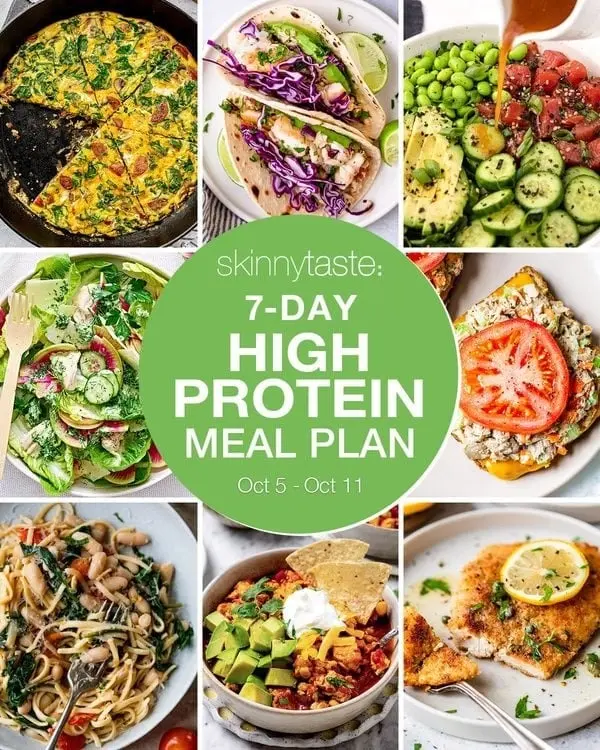
As the temperatures begin to drop and the landscape shifts, the arrival of fall brings a bounty of seasonal produce to farmers markets and local grocers. For those looking to align their nutritional goals with the changing season, a new, comprehensive 7-day high-protein meal plan has been released, designed to integrate fresh autumn ingredients like crisp apples, pears, sweet potatoes, hearty squash, and Brussels sprouts into a structured, health-conscious routine.
This latest meal plan serves as both a nutritional guide and a culinary roadmap for those aiming to increase their daily protein intake—a lifestyle change that many have adopted in recent years to support muscle maintenance and sustained energy levels. By focusing on high-protein staples paired with seasonal vegetables, the plan aims to eliminate the mid-day hunger spikes that often lead to snacking on less nutritious alternatives.
The Rationale Behind High-Protein Nutrition
The emphasis on protein stems from a growing awareness of its role in long-term wellness. For many, increasing protein consumption is a primary strategy for achieving a greater sense of satiety and physical strength. The philosophy behind this approach is to distribute protein intake evenly across the day. Typically, this involves targeting roughly 30 grams of protein per meal, supplemented by smaller portions during snack times.
While individual needs vary significantly based on activity level, age, and personal health goals, a baseline of 120 grams of protein per day is often cited as a benchmark for those pursuing muscle growth or improved body composition. However, experts emphasize that there is no universal requirement. Nutritional guidelines suggest that individuals should tailor their intake to their specific physiological needs, often recommending that anyone uncertain about their requirements consult with a healthcare provider or a registered dietitian.
This personalized approach is particularly important for individuals with underlying medical conditions. Those managing kidney or liver disease, gout, or specific metabolic disorders, as well as older adults experiencing reduced kidney function, are advised to exercise caution. Significantly increasing protein intake without professional medical guidance can potentially exacerbate these conditions. Therefore, while high-protein diets offer clear benefits for many, they are not a one-size-fits-all solution.
Navigating Nutritional Planning and Weight Watchers Updates
For members of the Weight Watchers (WW) community, the landscape of meal planning is currently evolving. The program has recently introduced new zero-point food items, including staples like oatmeal, which require a recalibration of existing recipe databases. While the process of updating years of accumulated content is ongoing, users can continue to utilize the official WW recipe builder, which remains accessible via mobile devices to automatically calculate the point values of individual recipes.

The meal plan provided for the upcoming week is intended as a flexible framework rather than a rigid set of rules. It includes a variety of breakfast, lunch, and dinner options, along with a comprehensive shopping list to streamline the process. The structure is built around the premise that participants should have the freedom to customize their intake. This includes adding extra servings, incorporating beverages, fruits, snacks, or desserts, and substituting specific recipes based on personal preference or availability.
General health recommendations suggest that most individuals should aim for a minimum of 1,500 calories per day to maintain healthy metabolic function, though this figure is highly subjective. By offering a baseline plan, the goal is to provide a starting point that can be adjusted to meet the unique requirements of the individual.
Seasonal Ingredients and Culinary Structure
The meal plan leverages the best of autumn’s offerings, incorporating ingredients that are both nutritious and timely. From the use of sweet potatoes in savory dishes to the inclusion of Brussels sprouts and winter squash, the recipes are designed to prove that high-protein eating does not have to be monotonous or devoid of seasonal flavor.
The structure of the weekly plan is divided between individual portions for breakfast and lunch—simplifying preparation for those who may be working or managing a busy schedule—and family-sized portions for dinners and weekend meals. This hybrid approach ensures that the plan remains practical for a variety of household sizes. Furthermore, many of the recipes are specifically chosen to yield leftovers, which provides a convenient solution for lunch the following day.
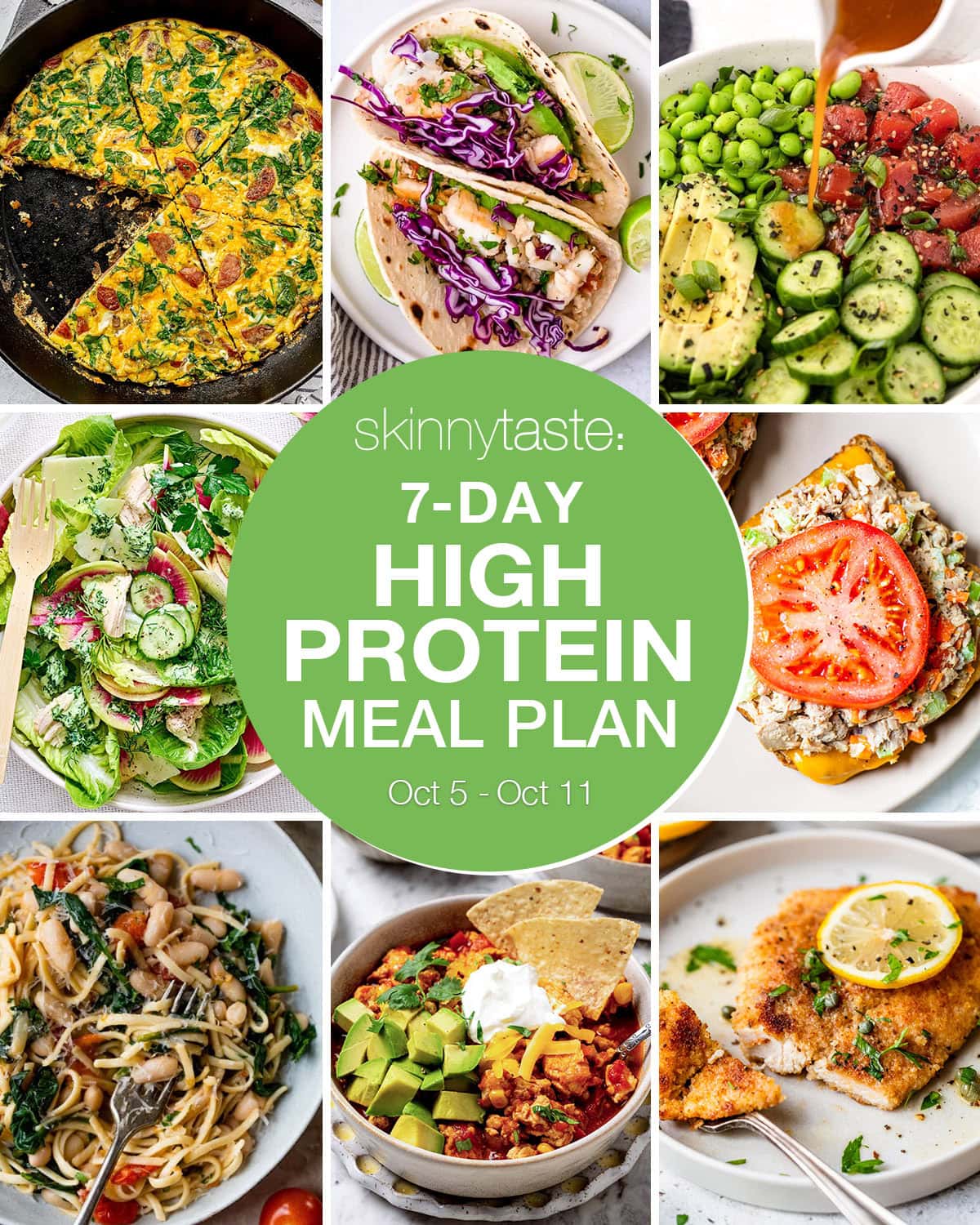
The week’s progression includes a variety of dishes such as a breakfast taco scramble, chicken-based grain bowls, various seafood options like cilantro-lime tilapia tacos and tuna poke salad, and comforting classics like turkey chili and pork stew. By diversifying the protein sources—spanning poultry, seafood, legumes, and dairy—the plan helps ensure a wide spectrum of micronutrients.
Community Support and Additional Resources
Beyond the recipes themselves, the initiative highlights the importance of community support in maintaining healthy habits. An active Facebook community has emerged as a hub for participants to share their own culinary results, offer variations on the provided recipes, and exchange motivation. This social aspect is often cited as a key component for those who find the solitary nature of dieting to be a barrier to success.
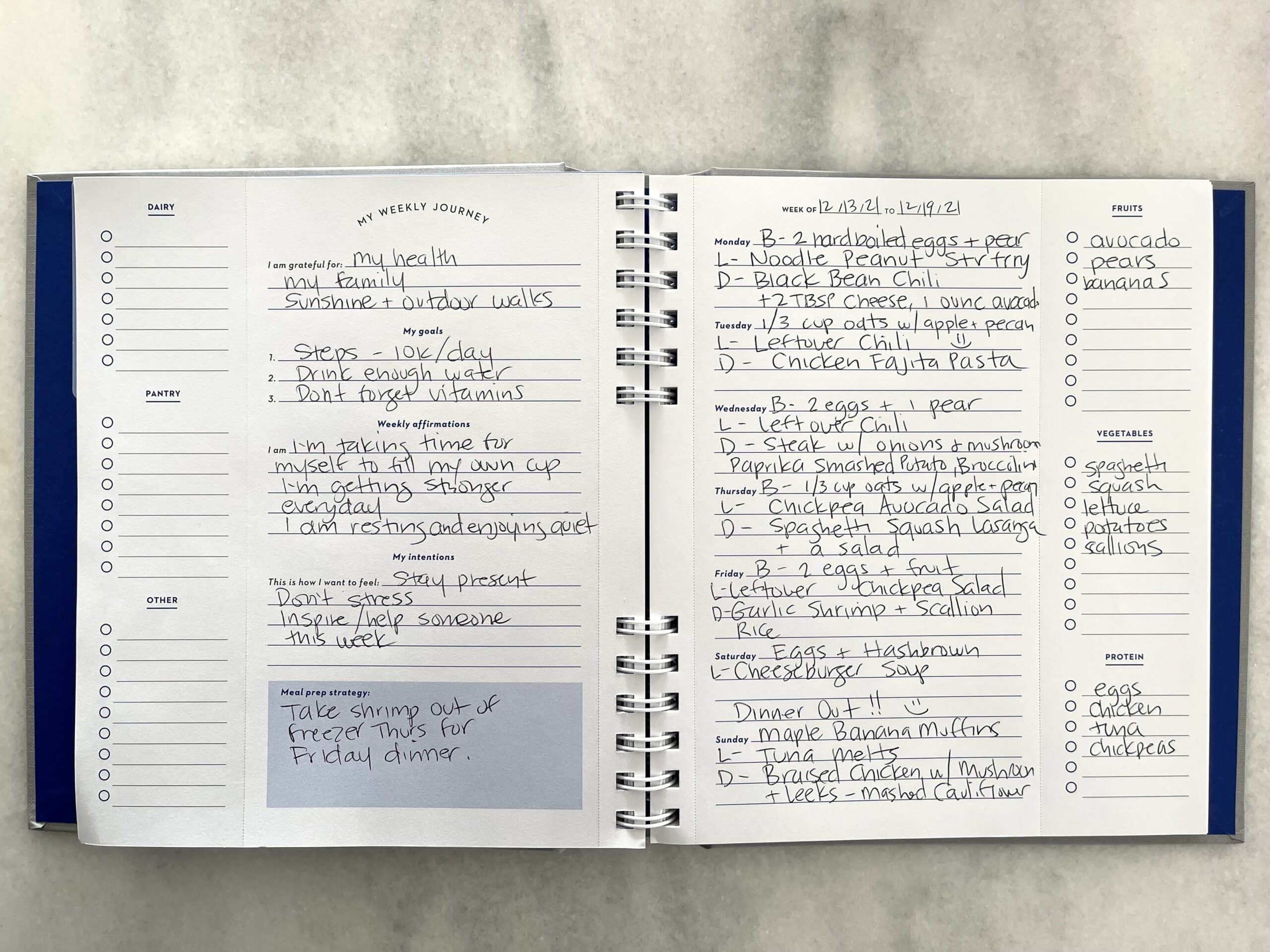
For those who prefer a tactile approach to organization, the meal planning resources also include tools for physical documentation. Planning, preparing, and tracking meals are often identified as the most significant challenges in sustained weight management. Using a structured planner that allows for the recording of weekly intentions, grocery lists, and gratitude can help bridge the gap between abstract goals and daily implementation.
As the season progresses, the focus remains on consistency and adaptability. Whether the goal is muscle gain, weight management, or simply incorporating more whole, seasonal foods into the daily diet, the integration of high-protein, nutrient-dense meals remains a cornerstone of modern dietary advice. By focusing on these elements, individuals can navigate the fall season with a plan that supports both their immediate nutritional needs and their long-term health objectives. Those interested in the specific breakdown of the week’s meals can access the comprehensive shopping list and daily menus to ensure they have the necessary supplies to begin their week with purpose.