
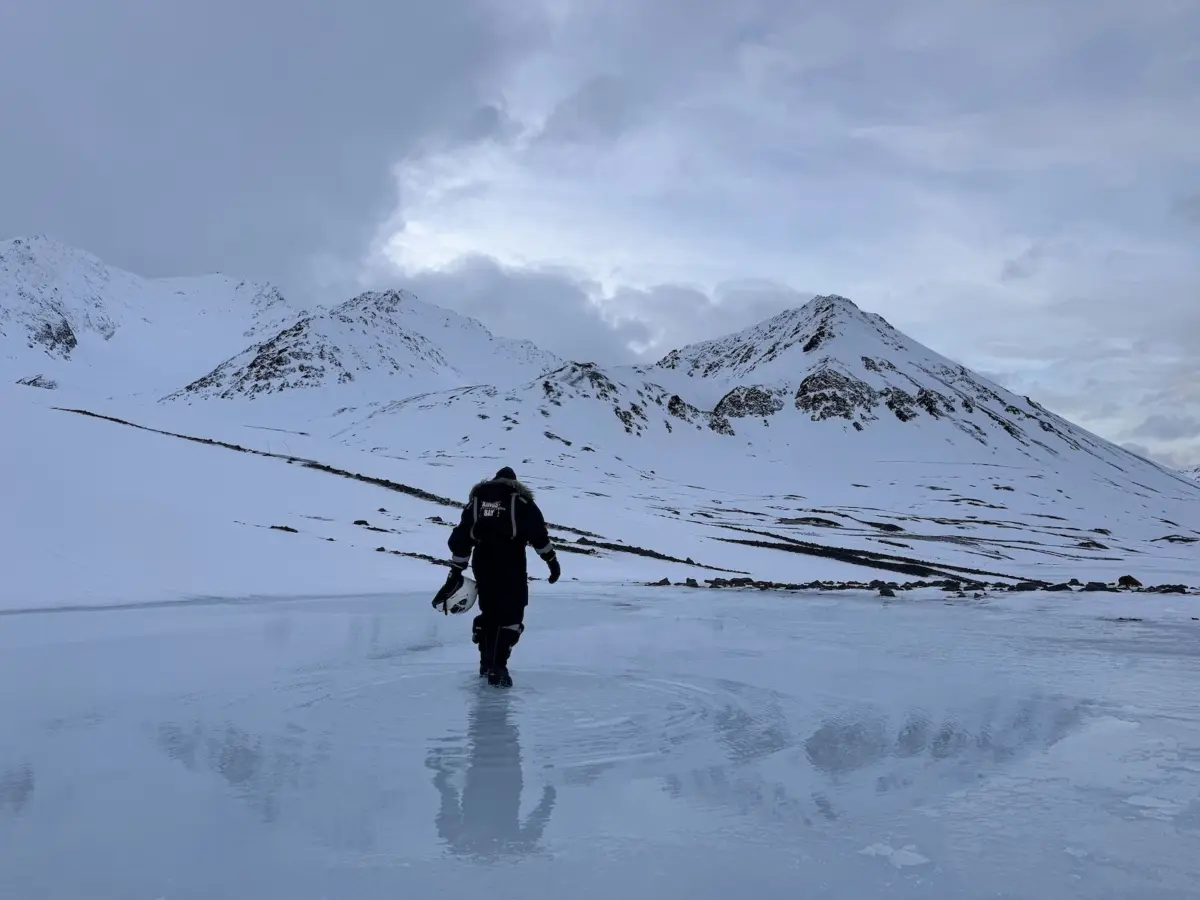
On the Front Lines of a Changing Arctic: How Inuit Bear Guards Are Keeping Communities Safe
NUNATSIAVUT — After retiring from a long and dedicated career as a conservation officer with the Canadian government, Derrick Pottle did not slow down. Instead, he channeled his decades of frontline experience into guiding people safely on the land, carving, hunting, and training a new generation of specialized safety professionals.
Pottle, an esteemed Inuk elder and skilled guide from the Inuit community of Tikigâːksuagusik in Nunatsiavut, founded BearSafe Planning in 2005. The comprehensive program is designed to train and certify students to safely guard against polar bears and black bears that roam the rugged expanses of northern Labrador. Advertised as offering safety, protection, and confidence in bear country, the three-day intensive course has become a vital community asset over the last two decades.
More than twenty years after its inception, that work has taken on a renewed sense of urgency. As climate change rapidly reshapes the Arctic—particularly altering the sea ice that polar bears fundamentally rely on to travel, find mates, and hunt—Inuit residents are encountering the massive predators at different times of the year and in unfamiliar locations where they were once rarely seen. Pottle notes that these shifting environmental patterns are drastically increasing the demand for individuals who know how to mitigate conflict and keep both humans and bears safe. That, he emphasizes, remains the primary objective of the course.
Graduates of the BearSafe Planning program are trained to maintain constant vigilance, watching for bears to actively prevent dangerous encounters before they escalate. Students also learn to recognize subtle behavioral signs indicating that a bear is uncomfortable or stressed in its environment.
"They may feel threatened, they may feel intimidated, and they may even charge or attack you," Pottle explained. He teaches his students how to carefully read those physiological and behavioral signs, how to mentally and physically prepare for them, and the specialized tools they must utilize to successfully perform their jobs in the field.
Canadian government officials note that encounters between humans and polar bears are becoming increasingly probable as a lengthening ice-free season forces bears to remain on land for extended periods. Inuit and Cree communities across the North have repeatedly reported polar bears appearing with greater frequency and in environments where sightings were historically rare. Scientific researchers have linked this troubling increase to several converging factors, including prolonged ice-free periods, fluctuations in bear abundance and physical condition, and a growing presence of human activity within traditional polar bear habitats.
Pottle originally developed the curriculum for BearSafe Planning with vital input and collaboration from a diverse range of stakeholders, including Parks Canada, environmental conservationists, knowledgeable Inuit elders, and academic researchers. The initiative was born out of necessity, Pottle recalled, following the official establishment of Tongait KakKasuangita SilakKijapvinga, also known as Torngat Mountains National Park, under the historic 2005 Labrador Inuit Land Claims Agreement.
"They needed bear guards," Pottle said, reflecting on the early days of the program. "We didn’t have trainers in Nunatsiavut at the time. Somebody had to do it."
Scientific data underscores the scale of the challenge. The Arctic is currently warming nearly four times faster than the rest of the planet. As climate change continues to remake ecosystems and landscapes across the North, Pottle points out that the need for trained guards extends across all species of bears native to the region.
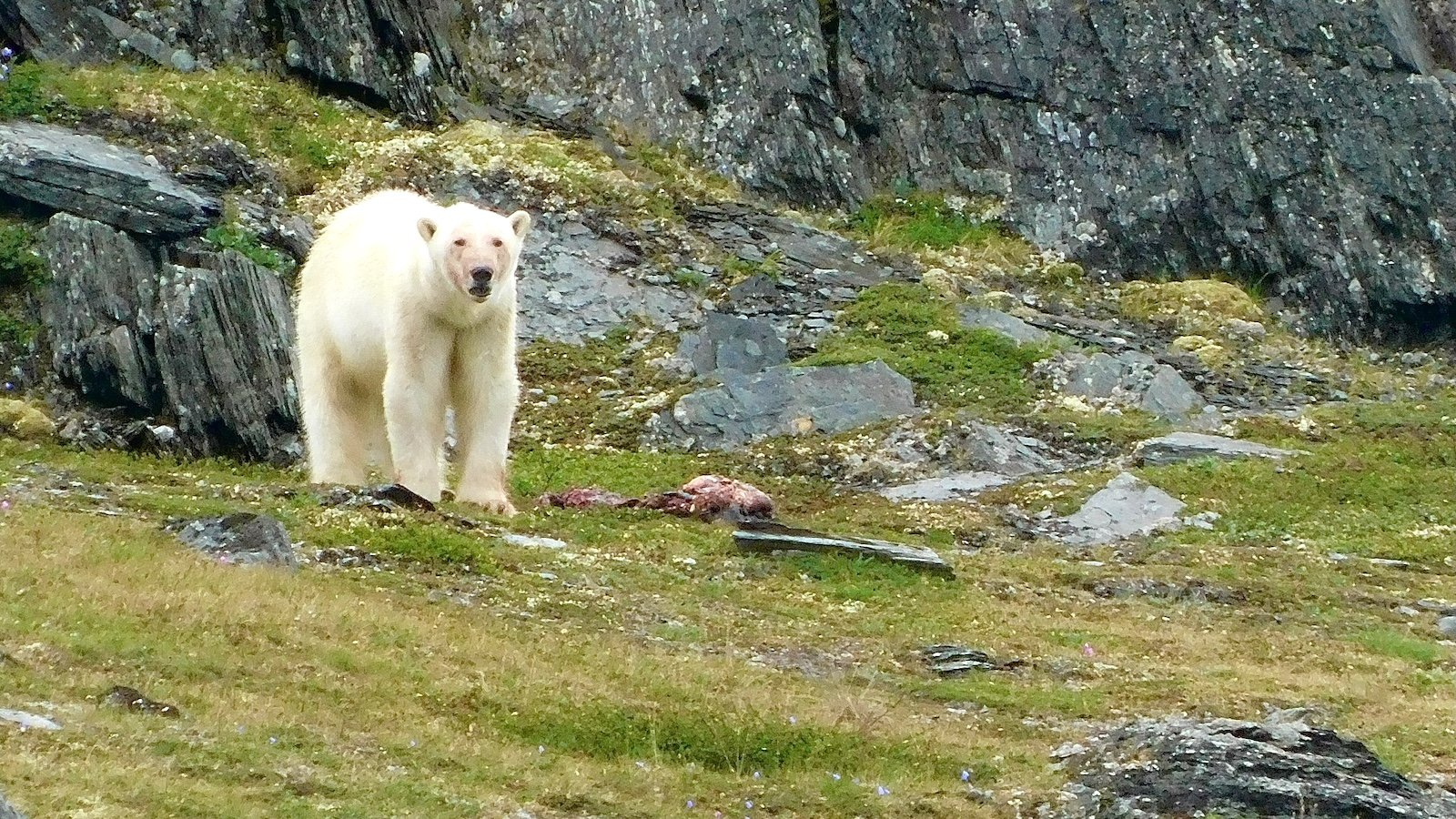
"We’re seeing more and more bears now in this time of our lives than we ever saw before," he said, describing the shifts in wildlife behavior. "People are seeing polar bears in this part of Inuit Nunangat—where polar bears used to travel north late in the spring—and now are staying all summer long."
Official designations reflect the precarious status of the animals. The provincial Endangered Species Act classifies polar bears as "vulnerable," while the federal government officially deems them a "species of special concern." According to Environment and Climate Change Canada, between 60 and 80 percent of the global polar bear population resides within Canadian borders. These massive carnivores, which can weigh as much as 1,400 pounds, are utterly dependent on stable sea ice to sustain their life cycle. As the federal agency explicitly notes, climate change remains the single greatest threat to the survival of polar bears.
For human residents of the North, completing the bear guard training program offers tangible employment pathways, but it also serves a deeply practical purpose for personal safety.
"Lots of people just use the bear guard course for their own personal protection when they’re out on the land with their families fishing, hunting, and participating in Inuit lifestyle," Pottle said.
Sherri Wolfrey, a mother of four and a resident of Tikigâːksuagusik, is among those who have completed the training. She recalled how, back in 2015, she became interested in the curriculum and thought it might lead to future professional opportunities in wildlife monitoring.
Today, Wolfrey serves as the secretary of Northern Lights Academy and regularly applies her rigorous training when she is out on the land. Last year, she put her certification to professional use for the first time when she was contracted as a bear guard in Akami-Uapishkᵘ-KakKasuak, commonly known as the Mealy Mountains National Park Reserve.
"Especially up in that area in the bottom of the Mealy’s, it was so beautiful up there," she told IndigiNews.
Wolfrey emphasizes that the skills she acquired are invaluable even when she is not formally working as a contracted guard. Having that baseline of knowledge gives her peace of mind during subsistence activities and family outings.
"It’s good to have the training," she noted, "because when you do what I like to do, especially being at the cabin… you could know what to expect and what to do if you came upon a bear."
Pottle’s own journey with bear safety dates back to an era before formal guard programs existed. Because of his profound knowledge of the local terrain, community members frequently asked him to escort them on excursions involving boats, dog teams, or snowmobiles to ensure their security.
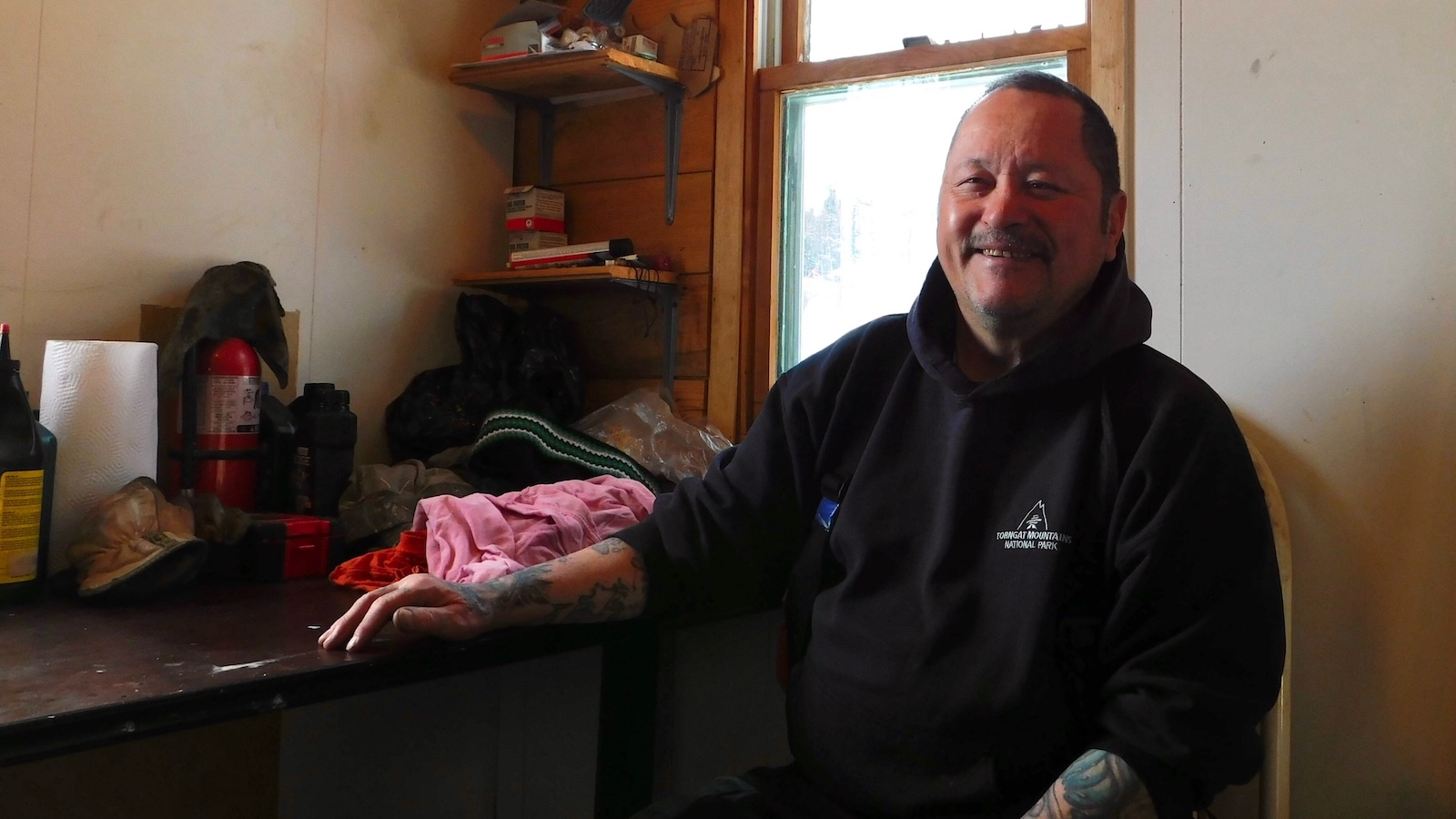
Today, BearSafe Planning offers its specialized course on demand, accommodating class sizes of up to 30 students at a time. Despite his decades of authority as the primary instructor, Pottle maintains that he is also a lifelong student, continuously drawing wisdom from the lived experiences of others around him.
"I talk to the Elders, I talk to the hunters, I talk to the students," he said. "A lot of these people live on the land all their lives, so they have lots and lots of experiences and stories. So we learn from one another."
Employment opportunities for certified bear guards vary depending on the season and can range from short day trips to extended, full-time contracts. Commercial cruise ship operators, for instance, frequently hire trained guards to ensure the safety of tourists visiting remote northern shores. Additionally, group expeditions, land-based cultural programs, and regional initiatives across Nunatsiavut and the broader Inuit Nunangat regularly rely on their expertise. Inuit governments and administrative agencies also routinely employ certified guards for official field outings.
Pottle views professionally trained bear guards as an essential and standard component of the modern northern workforce.
"It’s not always easy to find employment in the North, and bear guarding can give people—if they choose to—an opportunity to make a good living from it," he observed.
Reflecting on two decades of educating students in bear safety, Pottle finds the work deeply fulfilling on a personal level.
"You’re doing something you love, and you’re going into communities, and you’re… bringing knowledge," he said. "Our role is to keep people safe, and make sure people enjoy the land and enjoy the surroundings—and get the job done and come home safe at the end of your workday."
This story was originally published by IndigiNews and updated with additional information by Grist.