
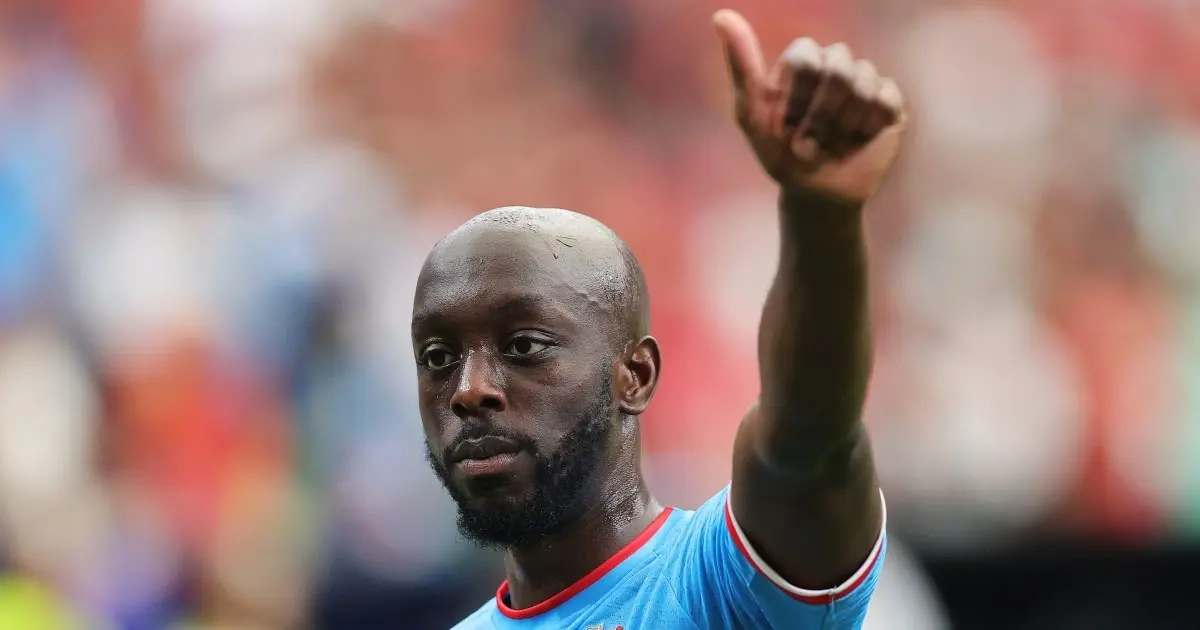
The Democratic Republic of the Congo continued their impressive run of form on the international stage, securing a hard-fought 2-1 victory against Zimbabwe in Harare during their latest 2027 Africa Cup of Nations (AFCON) qualifying fixture. Spearheaded by the relentless brilliance of striker Yoanne Wissa, the Leopards capitalized on early defensive errors and maintained their tactical discipline to take command of Group E with a maximum of six points from their opening two matches.
The match carried profound emotional and sporting significance for the hosts, marking Zimbabwe’s long-awaited homecoming. It was the first time the national team had played an international fixture on home soil since November 2021. For nearly three years, the iconic Harare venue was deemed unsuitable for international fixtures by football governing bodies, prompting a lengthy and much-needed period of stadium renovations. A passionate crowd turned out in droves to welcome their heroes back, hoping for a statement performance against a formidable Congolese side that had captured global attention with a historic last-32 finish at the 2026 FIFA World Cup.
However, the celebratory atmosphere was dampened just past the half-hour mark. Wissa, the 30-year-old Newcastle United forward who has consistently proved to be a vital asset for both club and country, struck in the 30th minute to break the deadlock. The goal came as a result of alertness and opportunistic poaching. A cross was swung into the penalty area, and Zimbabwean goalkeeper Elvis Chipezeze failed to secure the ball cleanly. As it slipped from his grasp, Wissa reacted instantly, poking the loose ball past the recovering defenders and into the back of the net to put the visitors ahead.
Rather than resting on their narrow lead, the Leopards intensified their attacking pressure. DR Congo, whose rich footballing history includes two AFCON titles—the most recent coming 52 years ago—demonstrated the poise and tactical organization that carried them through their successful 2026 World Cup campaign. Their momentum paid off right before the halftime whistle blew. Deep into first-half added time, Wissa transitioned from goalscorer to provider. He delivered a perfectly weighted through-ball that sliced open the Zimbabwean defense, allowing Samuel Moutoussamy to burst through one-on-one and calmly slot the ball past the goalkeeper to double DR Congo’s advantage.
The opening forty-five minutes had exposed a stark gulf in class, leaving the hosts completely outplayed by a Congolese side positioned 89 places higher in the official FIFA world rankings. Yet, roared on by the home supporters, Zimbabwe emerged from the locker room for the second half with renewed vigor and tactical adjustments. They began to press higher up the pitch, disrupting the rhythm that DR Congo had established in the first half and forcing the visitors onto the defensive.
As the match ticked into the dying moments of stoppage time, Zimbabwe’s persistence was finally rewarded. In the 93rd minute, Marshall Munetsi fired home a late consolation goal that ignited wild celebrations in the stands, narrowing the deficit to 2-1. Despite the late surge, the Leopards successfully managed the remaining seconds to seal all three points, solidifying their position at the summit of Group E.
Botswana Hold Tunisia to Draw
While DR Congo celebrated their success in Harare, the wider qualifying landscape saw fierce competition and surprising results across the continent. In the same group, Zimbabwe and Equatorial Guinea now sit level with three points each, having played two matches, while Sierra Leone remains at the bottom without a point.
Equatorial Guinea kept their qualification hopes alive with a narrow 1-0 victory over Sierra Leone, hosted at a neutral venue in Cameroon’s capital, Yaounde. The decisive moment of the match arrived in the very first minute, when Loren Zuniga capitalized on defensive lapses to net the opening and ultimately winning goal. Equatorial Guinea finds themselves among a group of 11 nations out of the 48 participants in the AFCON group stage forced to host their home fixtures on neutral soil due to a lack of international-standard stadium infrastructure in their home countries.
A similar predicament faces the Central African Republic, another "homeless" nation in the qualifying stages. Playing their Group F fixture at a neutral venue in the Moroccan commercial hub of Casablanca, the Central African Republic fell to a narrow 1-0 defeat against Burkina Faso. The deadlock was broken in the second half when Aboubacar Camara found the back of the net, securing the crucial three points for Burkina Faso.
Meanwhile, a major drama unfolded in Group H as a struggling Tunisia side was held to a frustrating draw for the second time in the span of four days. Playing at home in Rades, near the capital city of Tunis, the North African heavyweights were forced to settle for a 2-2 stalemate against Botswana.
Tunisia appeared to be firmly on course to secure their first competitive victory of the year, thanks to the prolific scoring of Hazem Mastouri. After Botswana had initially stunned the hosts by taking a surprise lead, Mastouri netted twice—scoring either side of the halftime interval—to put Tunisia ahead 2-1 and seemingly in control of the contest.
However, the resilient minnows from Southern Africa, who languish 90 places below Tunisia in the FIFA world rankings, refused to yield. Showing tremendous fighting spirit, Botswana equalized right around the hour mark. Substitute Lebogang Ditsele made an immediate and decisive impact, latching onto an opportunity and executing a delicate, perfectly judged lob over the advancing Tunisian goalkeeper to restore parity.
The result marked the second consecutive 2-2 draw for Botswana, who had previously shared the spoils in a hard-fought encounter away to Libya the preceding week. Thanks to their attacking resilience and consistent scoring, Botswana remains at the top of Group H, edging ahead of Tunisia strictly on goals scored as the race for AFCON qualification intensifies.