
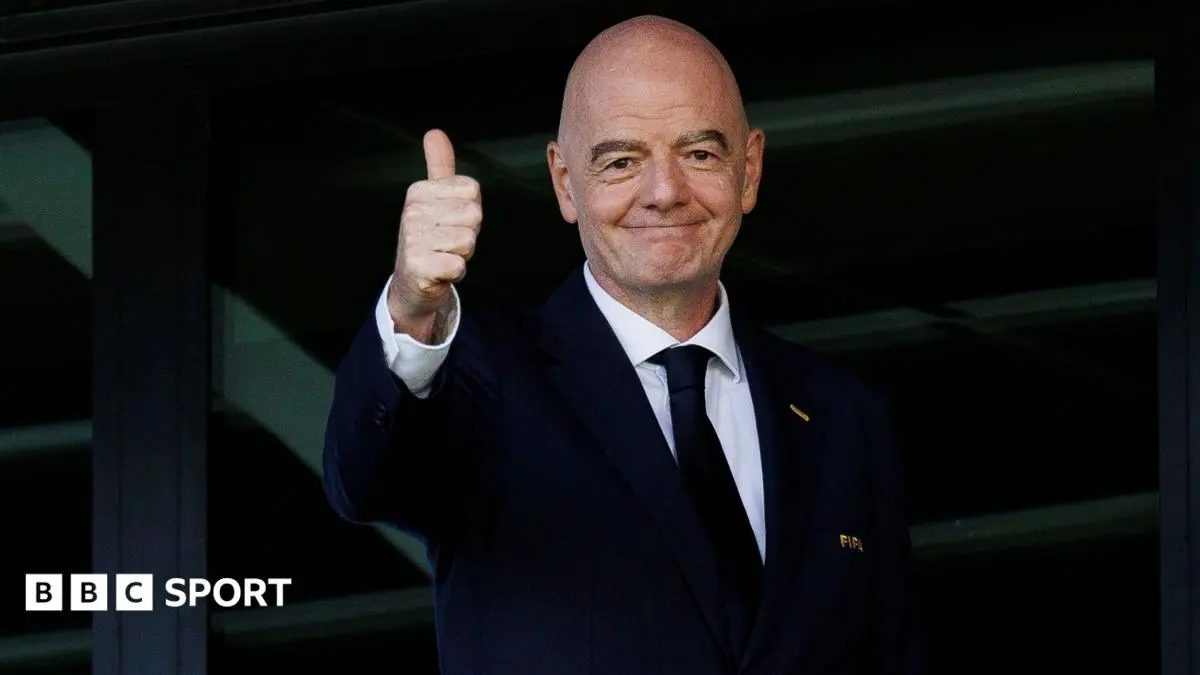
In a confidential letter seen by BBC Sport and dispatched to FIFA’s six continental confederations on Monday, the Swiss-Italian administrator stated that he would personally support "the greatest level of additional funding that can responsibly be delivered" to national associations around the globe.
The development comes at a critical juncture for Infantino, who has faced mounting scrutiny and criticism over his recently aborted FIFA Forward Enterprise (FFE) plan. That controversial proposal, which envisioned selling commercial stakes in the World Cup and other premier international competitions to private equity and other private investors, sparked a major backlash from member associations, European and North American governing bodies, and leading football administrators worldwide.
The shifting financial landscape within world football’s governing body follows a formal demand issued jointly by UEFA and Concacaf—the respective continental confederations for Europe and North America, Central America, and the Caribbean. The two powerful bodies formally demanded that FIFA immediately disburse $10 million, equivalent to approximately £7.5 million, to each of its 211 member associations directly out of its robust financial reserves.
This high-stakes financial proposal is now officially slated to be formally considered by the FIFA Council when its members convene for their upcoming meeting on October 15. The council’s decision will determine how a substantial portion of the organization’s multi-billion-pound reserves will be allocated across the global football ecosystem.
Addressing the specific financial demands laid out by UEFA and Concacaf in his communication, Infantino signaled openness to robust discussions while stopping short of endorsing a definitive figure prior to the council meeting.
"I will not prejudge the amount," Infantino wrote in the letter distributed on Monday. "A single figure can begin the discussion, but it cannot complete a global policy."
The correspondence also featured Infantino issuing his latest defense of the failed proposal to monetize a slice of the World Cup’s commercial rights—a strategic misstep that triggered widespread calls for his resignation from various quarters of the international game. Despite the hostile reception the plan ultimately received, Infantino maintained that his intentions had been entirely philanthropic and developmental, aimed purely at generating additional revenue to fuel the growth of the sport worldwide.
"The recent commercial proposal, now withdrawn, was intended to enable FIFA to invest more in football," wrote the FIFA president, reiterating his previous assertions regarding the financial modernization of the global governing body.
The controversy surrounding the FFE plan has exposed deeper governance fractures within FIFA’s upper echelons. Earlier this month, Football Association chair Debbie Hewitt, who serves as a FIFA vice-president, confronted Infantino directly. Hewitt demanded that the governing body release all internal documents pertaining to his controversial private investment plan and formally called for a comprehensive, independent review of the FFE project to ensure transparency and accountability at the highest levels of the administration.
As these internal tensions play out against the backdrop of the upcoming FIFA Council meeting, the political horizon for the leadership is also drawing into sharp focus. Gianni Infantino is scheduled to stand for election to a fourth term as FIFA president in March 2027. Prospective opponents wishing to challenge his incumbency face a strict deadline, with opposing candidates required to officially declare and secure necessary backing by November 18 to present an alternative vision for the leadership of world football.