
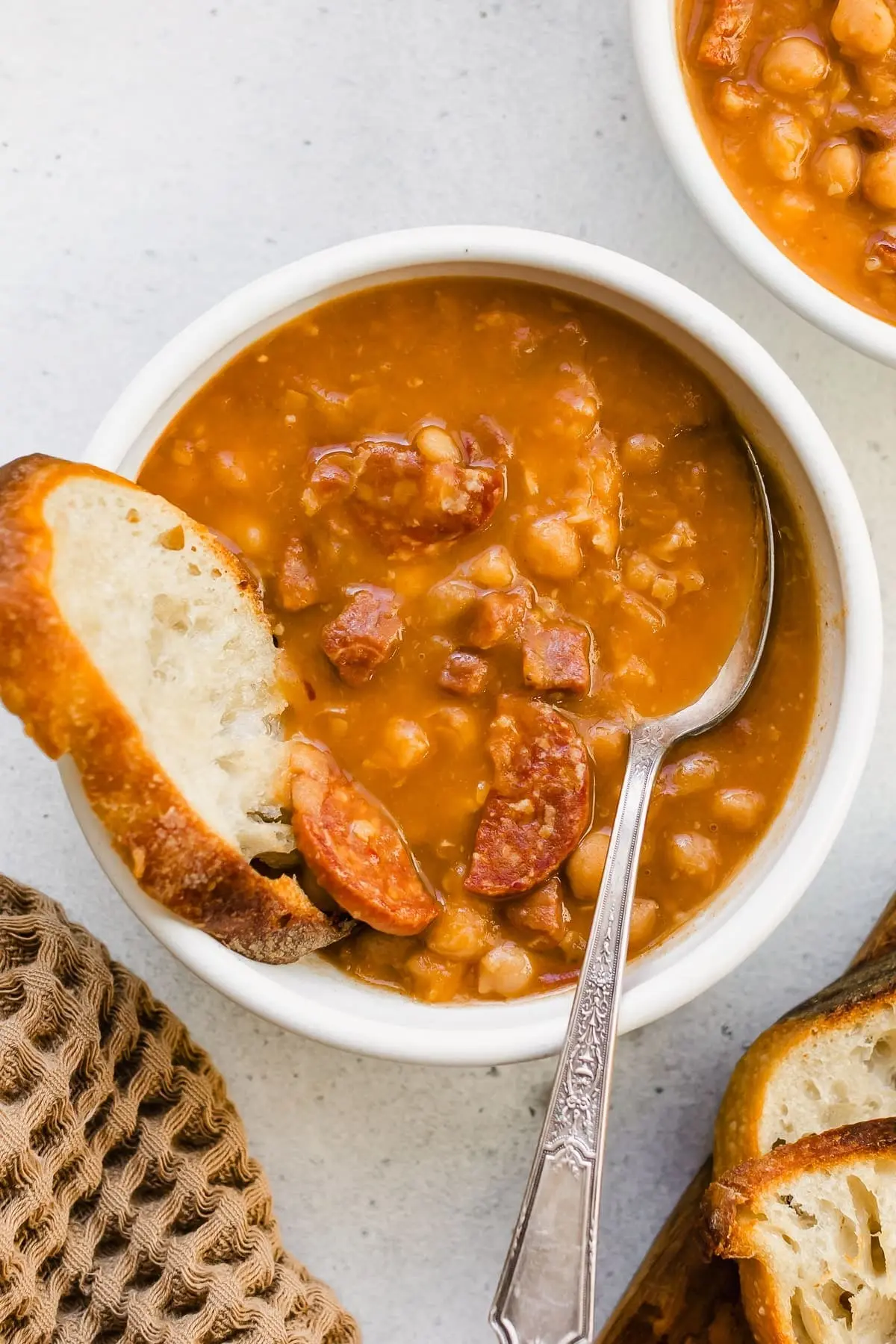
As the crisp autumn air settles over New York and the temperature dips, the culinary focus inevitably shifts toward the warmth of the stove and the comfort of a slow-simmered pot. For many home cooks, this seasonal transition is synonymous with the return of hearty, nourishing stews. Among the most anticipated recipes making a comeback this year is a modern adaptation of a traditional Spanish Garbanzo Stew—a dish that balances deep, rustic flavors with the convenience of contemporary kitchen technology.
The recipe, which has gained significant traction for its nutritional profile, centers on a classic combination of dried chickpeas, smoky chorizo, tender ham, and potatoes. While the dish is rooted in tradition, its current iteration marks a departure from the multi-hour stovetop commitment that historically defined such meals. By leveraging the Instant Pot, the dish has been transformed into an accessible, one-pot endeavor that fits seamlessly into the modern, fast-paced lifestyle without sacrificing the complex, slow-cooked depth that characterizes authentic Spanish cuisine.
The Evolution of a Family Favorite
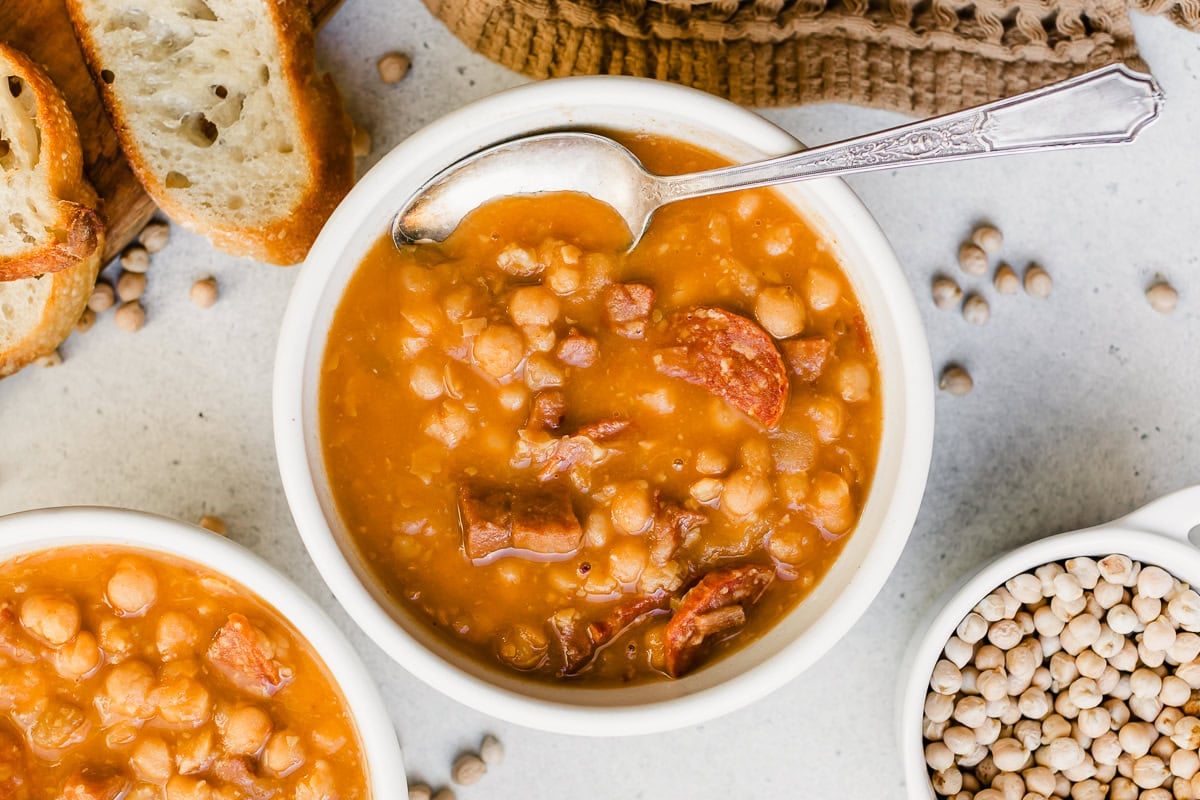
The inspiration for this specific rendition comes from a long-standing family recipe, traditionally prepared by the author’s cousin. At its core, the dish relies on the foundational elements of Spanish home cooking: high-quality legumes, cured meats, and earthy root vegetables. However, the adaptation process was driven by a desire to preserve the integrity of the original flavor profile while modernizing the preparation method.
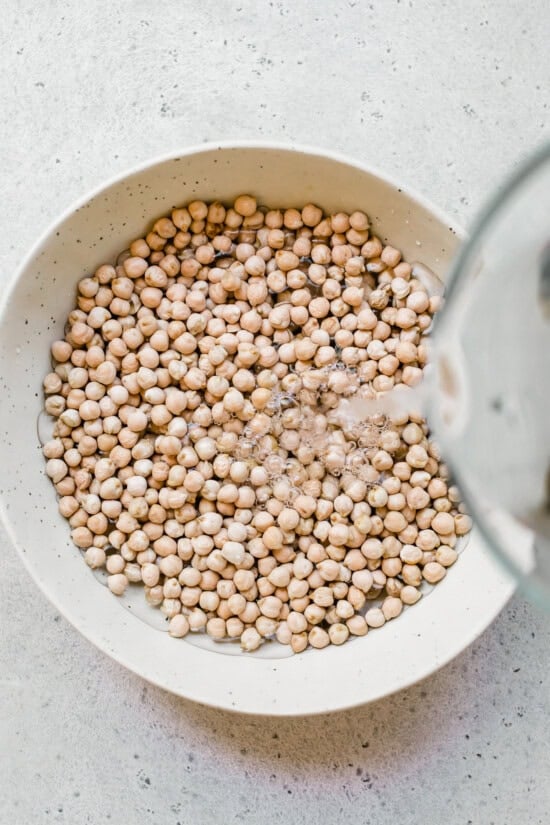
The most notable shift is the use of dried chickpeas rather than canned alternatives. While canned beans offer a shortcut, dried chickpeas—when properly soaked and pressure-cooked—yield a superior texture and a more robust, nutty flavor. The Instant Pot serves as a bridge, enabling these dried pulses to reach the perfect level of tenderness in a fraction of the time required by traditional methods. This efficiency allows for the development of a rich, velvety broth that usually requires hours of simmering to achieve.
Nutritional Density and Fiber-Forward Eating
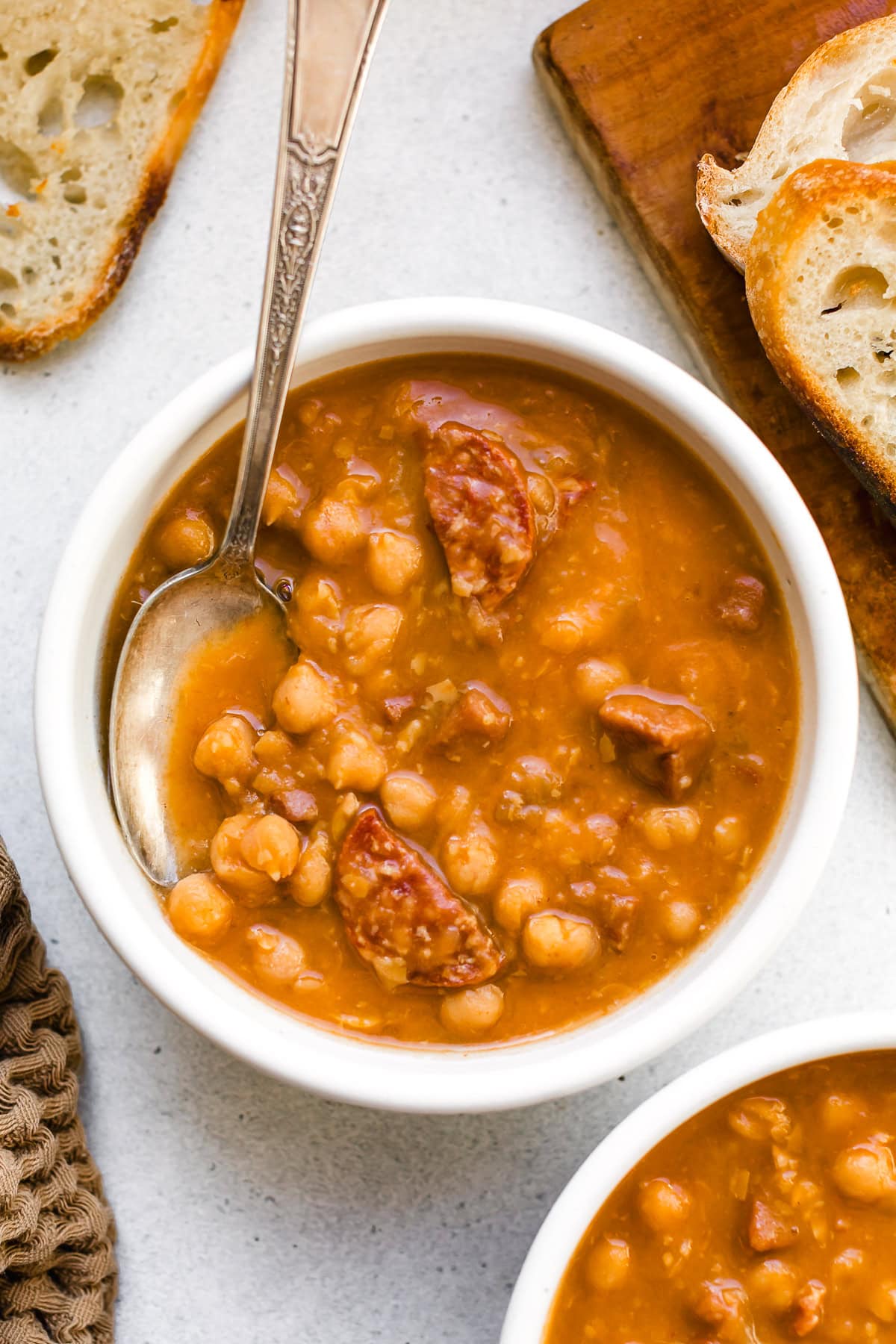
Beyond its sensory appeal, the stew has garnered attention for its impressive nutritional credentials. In an era where many are looking to increase their intake of plant-based proteins and essential micronutrients, this dish stands out as a high-fiber powerhouse. Each serving provides 17 grams of fiber, a significant contribution to daily dietary goals. This fiber content, paired with approximately 23.5 grams of protein per serving, makes it an exceptionally satiating meal that serves as a cornerstone for those prioritizing balanced, nutrient-dense nutrition during the colder months.
The inclusion of chickpeas—a staple of Mediterranean diets—provides not only the necessary fiber and protein but also a steady source of complex carbohydrates. When combined with the smoky essence of chorizo and the heartiness of potatoes, the dish becomes a complete, well-rounded meal. Even for skeptics who may not typically gravitate toward legume-based dishes, the infusion of smoky, savory notes from the meat ensures the stew remains a universally appealing option.

Precision and Flexibility in the Kitchen
The success of this recipe lies in its adaptability. For those who own an Instant Pot, the process is streamlined: after an initial soaking period of eight hours or overnight to ensure even cooking, the ingredients are combined and cooked under high pressure for 30 minutes. A unique technique suggested for those who prefer a thicker consistency is to gently mash a portion of the potatoes or blend a small amount of the soup after the cooking cycle is complete. This releases the starches, creating a natural, creamy texture that binds the ingredients together.
For households that have not yet adopted pressure cooking, the recipe remains entirely viable on the stovetop. By reverting to the traditional Dutch oven method, the cook can achieve a similar result, albeit with a longer time commitment. The stovetop approach involves bringing the mixture to a boil before lowering it to a gentle simmer for roughly 90 minutes, allowing the flavors to meld slowly. The end result is virtually indistinguishable from the pressure-cooked version, proving that the essence of the dish remains in the quality of the ingredients and the patience of the cook rather than the specific appliance used.

The Role of Traditional Ingredients
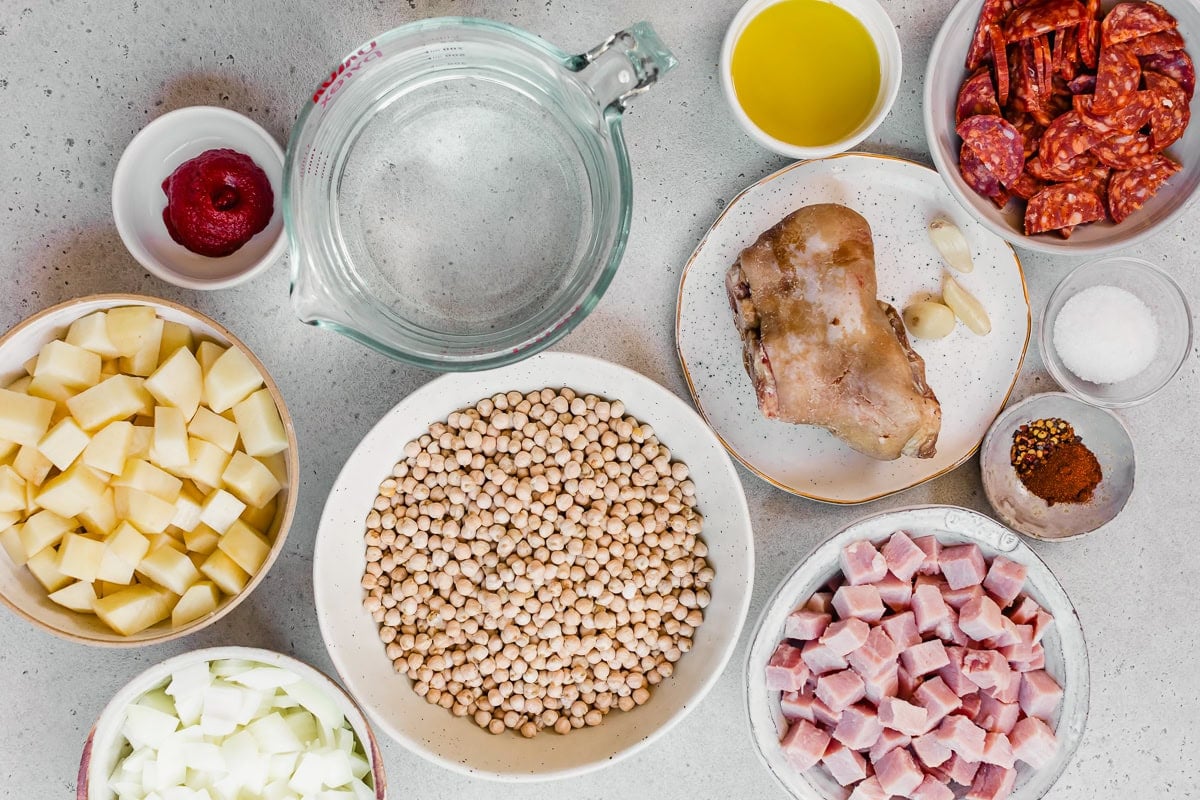
The flavor foundation of the stew is heavily reliant on the quality of the cured meats. Spanish chorizo provides a distinct, smoky paprika-infused backbone that permeates the entire broth, while the ham hock acts as a flavor anchor. The ham hock is primarily utilized for the depth it lends to the liquid; however, for those who wish to incorporate the meat itself, a slight adjustment to the cooking sequence allows the ham to become tender enough to shred and fold back into the final dish.
This attention to detail regarding the ham hock highlights the importance of layering flavors. By adding the meat at the right stage of the cooking process, the cook ensures that the soup is neither overly salty nor lacking in substance. It is this balance of technique and ingredient selection that elevates the stew from a simple soup to a complex, satisfying main course.
Meal Prep and Sustainability
One of the most practical aspects of this Spanish Garbanzo Stew is its longevity. Like many slow-cooked dishes, the flavors continue to develop and mature even after the heat is turned off. This makes it an ideal candidate for meal prep, as the soup often tastes even better the following day. When stored properly in the refrigerator, it maintains its quality for several days, providing an easy, ready-to-eat option for busy weeknights.
Furthermore, the recipe’s reliance on pantry staples like dried beans and potatoes makes it a cost-effective and sustainable choice. As food costs fluctuate, having a repertoire of high-fiber, protein-rich, and shelf-stable recipes is a valuable tool for any home kitchen. By utilizing dried chickpeas, one can avoid the unnecessary packaging associated with canned goods, aligning the recipe with a broader trend toward more conscious and efficient cooking habits.
Ultimately, the enduring appeal of this Spanish Garbanzo Stew is not found in complex culinary maneuvers or exotic ingredients, but in its reliability. It is a dish that honors tradition while embracing the modern necessity of efficiency. Whether served on a quiet Tuesday evening or as a centerpiece for a weekend gathering, it provides a sense of comfort that is hard to replicate, grounding the season in the simple, honest pleasure of a well-made, nourishing bowl of soup.