
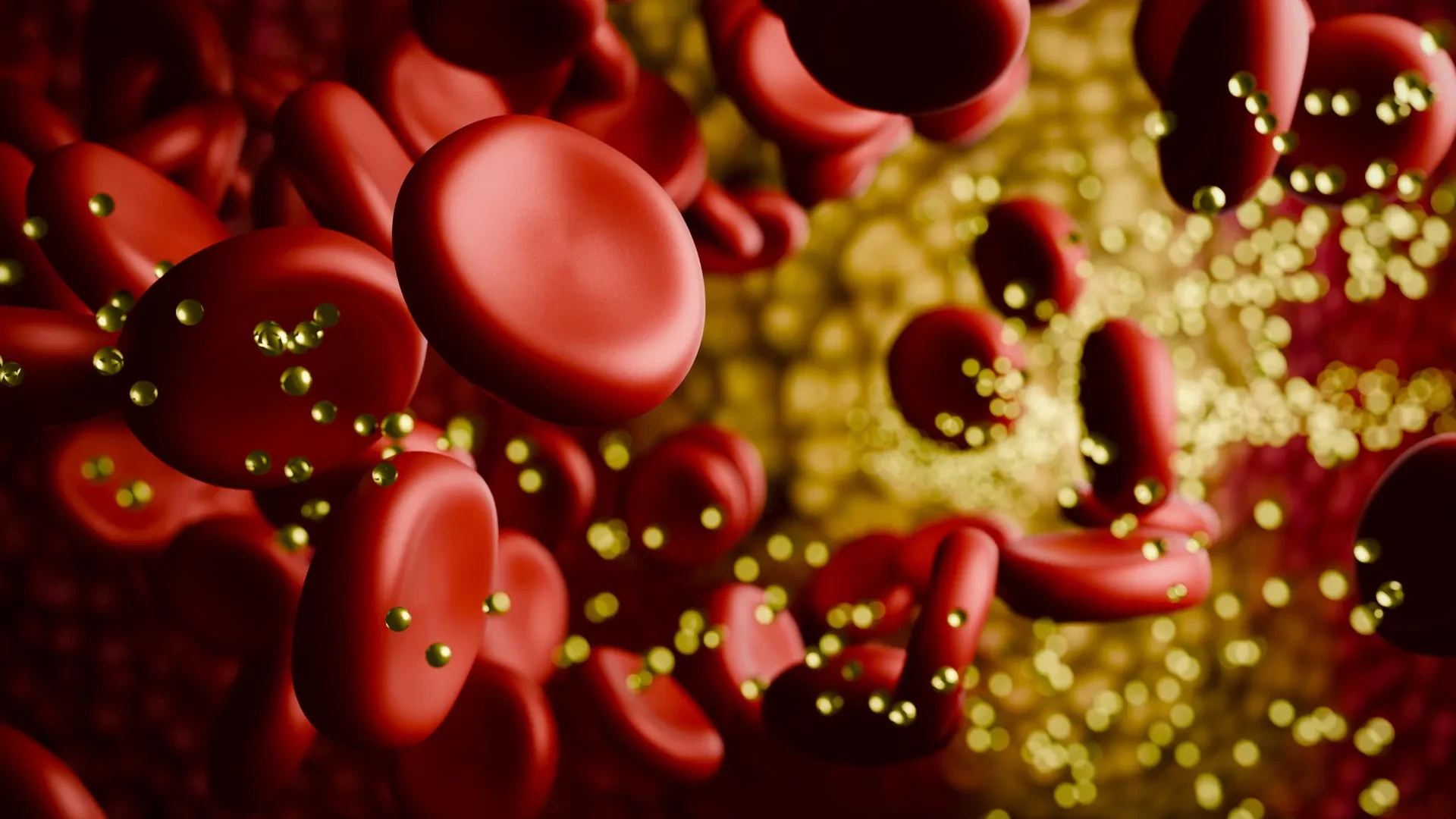
A first-in-human Phase 1 clinical trial conducted by the Cleveland Clinic has yielded remarkable preliminary results, demonstrating that a single infusion of a CRISPR-Cas9 gene-editing therapy can produce profound and lasting reductions in both low-density lipoprotein, commonly known as LDL or "bad" cholesterol, and triglycerides. The experimental treatment offers a promising new horizon for individuals struggling with severe lipid disorders that have proven stubbornly resistant to conventional medications and standard-of-care therapies.
The ground-breaking study followed a cohort of 15 patients over a full year to determine whether the impressive cholesterol and triglyceride reductions initially observed at the two-month mark would prove durable over time. The data revealed that the lipid-lowering effects were not only sustained but remained remarkably robust at the 12-month evaluation. Participants who received the highest dose of the experimental therapy experienced a striking 52.5% reduction from their baseline in LDL cholesterol, alongside a 47.8% drop in circulating triglycerides. Furthermore, the clinical team reported no serious adverse events related to the therapy throughout the entire one-year follow-up period, marking a significant early milestone for safety in the clinical translation of advanced gene-editing interventions.
Cholesterol Reductions Lasted for a Year
The eagerly anticipated findings were presented to the global medical community at the 2026 European Society of Cardiology annual meeting and were published simultaneously in the New England Journal of Medicine, underscoring the high scientific significance of the trial.
"Building upon the initial data presented in November 2025, the durability of the lipid-lowering effect was impressive," said Cleveland Clinic cardiologist Luke Laffin, M.D., who served as the first author of the clinical study. "It is encouraging that there were no serious safety events related to CTX310 in the trial and in the year following treatment. We look forward to continuing to investigate this therapy in a larger number of patients."
CRISPR-Cas9 technology represents a transformative approach in modern molecular biology. Designed to make highly targeted, precise changes to specific segments of a person’s DNA, the technology is increasingly being studied by researchers worldwide as a potential modality to treat serious, otherwise intractable diseases by altering the exact genes that contribute to those conditions. Rather than requiring daily pill regimens or routine injections—the traditional paradigm for managing chronic lipid disorders—gene-editing strategies aim to permanently correct or modulate the biological drivers of disease at the genetic source with a single administration.
How CTX310 Targets Blood Fats
The experimental treatment evaluated in this Phase 1 trial, designated as CTX310, is administered via a single, one-time intravenous infusion. The therapy utilizes sophisticated delivery mechanisms to carry the CRISPR editing system directly to the liver, which serves as the primary metabolic hub for processing lipids in the human body. Once inside the hepatic cells, the therapy selectively switches off a specific gene known as ANGPTL3.
The ANGPTL3 gene plays a critical regulatory role in controlling the levels of fats circulating in the blood. By naturally producing the angiopoietin-like 3 protein, the gene typically inhibits certain enzymes that break down fats. Disabling or "turning off" the ANGPTL3 gene removes this inhibition, thereby accelerating the clearance of atherogenic lipoproteins and leading to significant reductions in both LDL cholesterol and triglycerides—two primary biomarkers strongly associated with the progression of cardiovascular disease and premature heart events.
During the escalating-dose design of the study, patients received CTX310 at varying doses ranging from 0.1 to 0.8 milligrams per kilogram of body weight. As a standard precautionary measure for novel intravenous genetic therapies, participants were premedicated with corticosteroids and antihistamines prior to receiving the infusion to mitigate any potential acute immune reactions.
Following the administration, researchers closely monitored participants for treatment safety while conducting serial measurements of biological markers, including ANGPTL3 protein levels, LDL cholesterol concentrations, and triglyceride levels. By the conclusion of the 12-month follow-up window, the highest dose tier of CTX310 had successfully lowered both LDL cholesterol and triglycerides by an average of approximately 50 percent, validating the biological potency of the targeted gene disruption.
Long-Term Monitoring Will Continue
Despite the highly encouraging outcomes, medical experts emphasize that CTX310 remains strictly experimental at this stage of clinical development, and the current study’s findings are based on a very small cohort of just 15 participants. Establishing both the long-term safety profile and the ultimate clinical efficacy of the treatment will require much larger randomized trials involving diverse patient populations.
In accordance with rigorous regulatory guidelines and specific recommendations from the U.S. Food and Drug Administration (FDA) regarding human trials involving permanent gene-editing interventions, the study participants will continue to be monitored through a long-term safety follow-up protocol spanning another 15 years. This extended observation period is designed to track any delayed or unforeseen physiological consequences over a substantial portion of the patients’ lives.
The Phase 1 clinical trial was funded by CRISPR Therapeutics AG, based in Zug, Switzerland, the biotechnology company developing the CTX310 therapy. Additionally, Dr. Laffin’s academic institution has received research funding from CRISPR Therapeutics to support ongoing scientific investigations.