

In Huntsville, Alabama, a city celebrated as one of the nation’s preeminent cybersecurity and aerospace hubs, a quiet revolution is taking place inside high school classrooms. Educators and industry professionals are radically rethinking what cybersecurity education looks like, tearing down the traditional walls that have long separated abstract classroom instruction from fast-paced workplace realities.
Rather than relying on outdated textbooks or isolated lectures, local leaders are co-designing immersive learning environments where students build functional cyber ranges, develop industry-informed capstone projects, and secure meaningful internships that bridge the gap between secondary education and high-tech careers. This forward-thinking approach is transforming how young people prepare for the workforce, proving that high school students are fully capable of tackling complex, real-world digital defense challenges when given the right tools, mentorship, and opportunities.
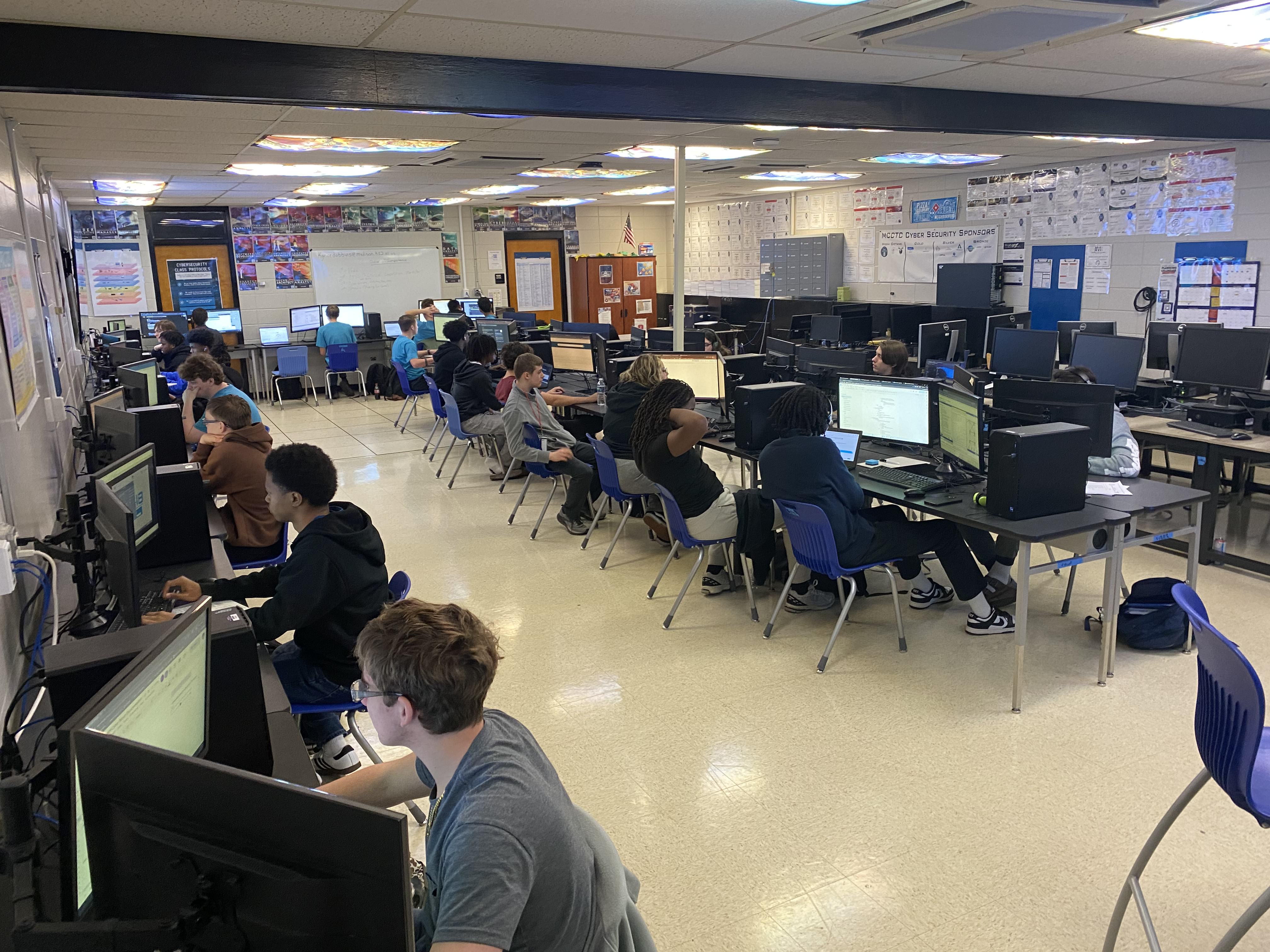
At the Madison County Schools Career Technical Center, cybersecurity instructor Kala Jo Grice-Dobbins is serving as a pioneer of this hands-on educational model. Working alongside seasoned cybersecurity professionals from the region, Grice-Dobbins is cultivating a classroom culture where students acquire more than just technical competencies. They learn how professional security analysts think, collaborate under pressure, and solve unpredictable problems. The classroom atmosphere reflects the urgency and dynamism of a modern security operations center, preparing students to step seamlessly into a rapidly expanding digital workforce upon graduation.
Expanding What is Possible in the Classroom
The transformation happening in Madison County does not happen in a vacuum. It is anchored by broader regional initiatives, notably the Alabama Technology Education and Career Pathways Accelerator. Created by the Alabama STEM Foundation with district pathway implementation support from Digital Promise, the Accelerator helps school districts ensure their technology pathways lead directly to valuable industry credentials. It achieves this by connecting educators with active industry partners, facilitating work-based learning opportunities, and providing resources closely aligned with current workforce demands.
For Grice-Dobbins, participating in the Accelerator provided a vital catalyst to deepen existing industry partnerships and fundamentally reimagine how her students experience cybersecurity. Working hand-in-hand with industry mentors, she designed a specialized classroom environment that looks, feels, and operates much like the professional landscapes students will encounter after graduation.
Within this setup, students work inside a private cyber range spanning both Windows and Linux environments. They troubleshoot unfamiliar, spontaneous problems and prepare for senior capstone projects that are meticulously modeled after real-world cybersecurity operations rather than hypothetical textbook exercises.
“Cybersecurity isn’t about memorizing answers,” Grice-Dobbins explained, highlighting the pedagogical philosophy driving the program. “It’s about learning how to think through problems.”

This emphasis on critical thinking and adaptability has yielded extraordinary results over the course of Grice-Dobbins’ four years teaching the cybersecurity program in Madison County. Her students have successfully secured competitive internships with regional defense contractors and accepted full-time positions that require rigorous security clearances. To date, eight students have completed specialized internships through the program, establishing a growing network of alumni whose early professional successes serve as a powerful testament to current students about what is truly possible. Furthermore, students regularly test their mettle in prestigious national competitions, such as the CyberPatriot competition, where they apply their skills against peers from across the country.
Beyond the daily curriculum, Grice-Dobbins maintains an ongoing dialogue with industry partners and her students, continuously evaluating and refining the program to ensure it remains responsive to the shifting demands of the cybersecurity sector and the evolving goals of the learners.
Industry Brings the Workplace Into the Classroom
For the professionals volunteering their time and expertise, this collaboration is far more than a standard community outreach effort. It represents a hands-on opportunity to share specialized knowledge, shape authentic learning experiences, and mentor the next generation of defenders at a profound level.
David Hoover, a customer success manager at Canvas and an active member of Cyber Huntsville, has been instrumental in translating professional standards into classroom realities. Hoover helped design a government-style restricted network that grants students direct experience working within environments closely mirroring those utilized by public-sector employers and defense agencies. In addition to building this infrastructure, he actively advises senior capstone projects, guiding students through the nuanced ways cybersecurity teams collaborate, communicate, and solve complex problems in professional settings.
Similarly, Dr. Ian Clark, a technology leader at Science Applications International Corporation (SAIC) and a dedicated cybersecurity mentor, has witnessed firsthand the long-term value of these sustained educational collaborations. Throughout his extensive career in technology leadership, Dr. Clark has observed that a single, fundamental shift has completely altered how students absorb and retain knowledge. In these next-generation classrooms, he notes, “There is no workbook.”
Unlike traditional educational models where corporate partners might make a brief, one-off appearance for a single career day presentation, Hoover and Dr. Clark remain deeply involved throughout the entire learning lifecycle. They help shape project parameters, offer continuous advice as students wrestle with difficult technical hurdles, and provide constructive feedback informed directly by current, everyday industry practices.
This sustained, long-term engagement gives students invaluable, direct access not only to high-level technical expertise but also to professional expectations, communication styles, and problem-solving methodologies that are virtually impossible to replicate through standard curriculum alone.
Seeing a Future in Cybersecurity
For students navigating these immersive pathways, the impact is both personal and transformative. Jaxton, a student at the Madison County Career Technical Center, first discovered his passion for cybersecurity during a freshman orientation visit. Sparked by an early interest in computers inherited from his father, Jaxton knew immediately that he wanted to commit to the program.
Over the subsequent three years, that initial spark of curiosity matured into a definitive career trajectory. Through earning industry-recognized certifications, tackling increasingly complex technical projects, and executing a rigorous senior capstone project, Jaxton developed the technical proficiency and self-assurance needed to pursue cybersecurity professionally after high school. Along the way, he mastered critical thinking, learned to leverage emerging technologies to engineer innovative solutions, and collaborated directly alongside veteran industry mentors.
Experiences like internships, capstone projects, and sustained professional mentorship do much more than simply build technical resumes. They fundamentally shift how young people perceive themselves, helping them visualize a concrete future within a high-stakes profession. Rather than viewing cybersecurity as an abstract, distant career path pursued by others, students gain a clear understanding of where they fit, what unique contributions they can make, and what tangible opportunities await them on the other side of graduation.
Today, Jaxton plans to continue his studies in cybersecurity at the post-secondary level. More importantly, his perspective on the industry has fundamentally shifted. He no longer looks at cybersecurity as something other people do; he sees himself firmly established within it.
Looking Ahead
The innovative work taking shape across Alabama through the Technology Education and Career Pathways Accelerator illustrates the profound potential unleashed when educators and industry leaders co-design learning environments. As high school classrooms evolve in tandem with one of the nation’s fastest-changing and most critical industries, students walk away with far more than baseline technical knowledge. They acquire hard-earned confidence, invaluable professional networks, and a crystal-clear vision of where they belong in the modern workforce.
For school systems across the nation seeking to strengthen career-connected learning, the lessons emerging from Huntsville extend well beyond the confines of cybersecurity. When educators, local employers, and students unite to shape authentic, real-world learning experiences, classrooms stop being mere preparation grounds for the future. Instead, they transform into spaces where young people begin actively participating in the vital work those careers involve, setting a new standard for modern education.