
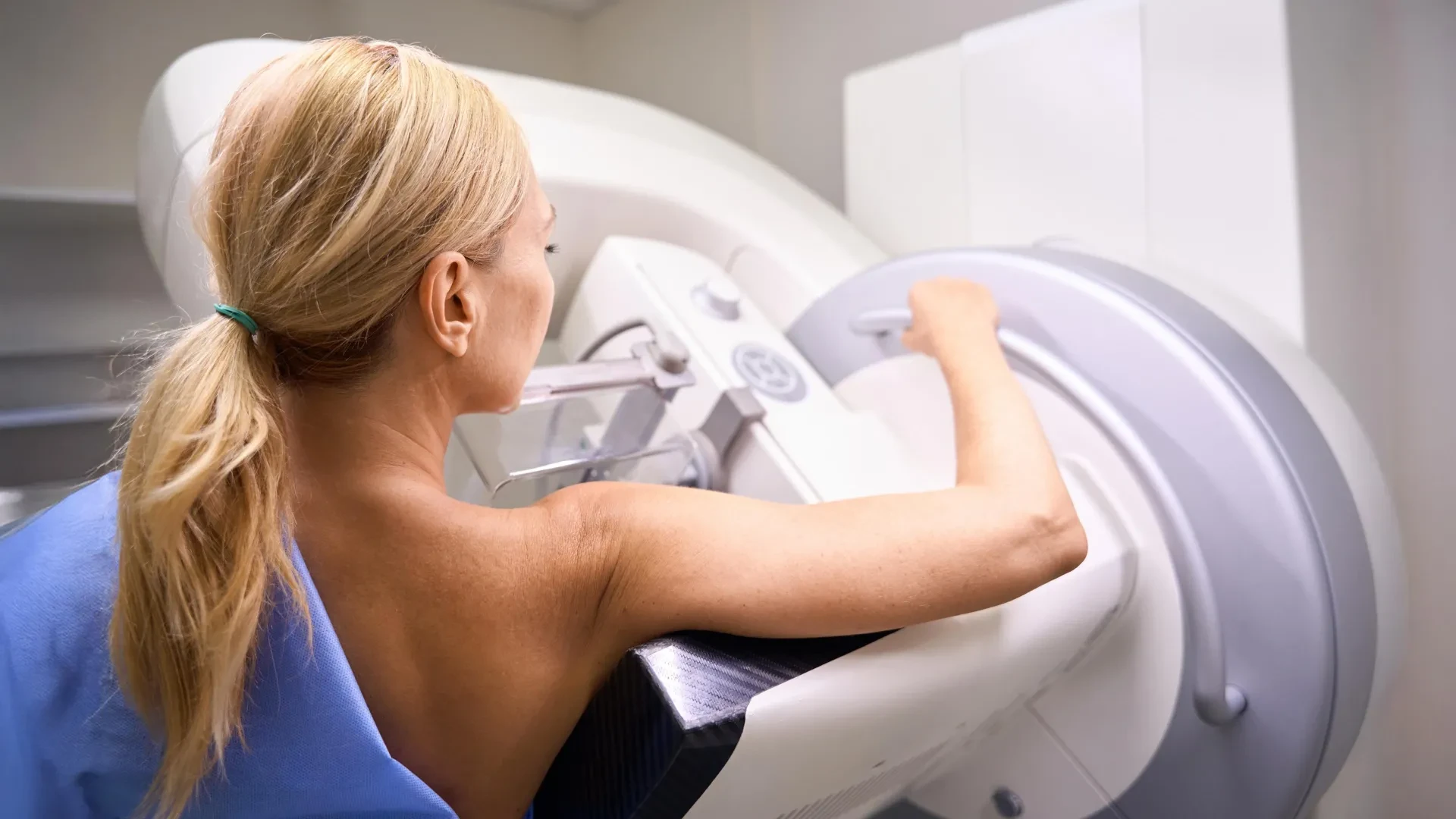
Breast cancer screening has long been a cornerstone of modern public health, offering millions of women the chance of early detection and successful treatment. However, the practice has always carried a complex debate regarding a phenomenon known as overdiagnosis. This occurs when screening programs identify harmless cancers that would never have produced symptoms, metastasized, or threatened a woman’s health during her lifetime. For decades, international health discussions and screening guidelines have been shaped by estimates suggesting that anywhere from 30 to 50 percent of breast cancers detected through mammography might fall into this category.
Now, a major new study published by an international team of researchers turns those long-held assumptions on their head. By taking a fresh look at historical randomized trials and comparing them with real-world registry data, the research reveals that the true rate of overdiagnosis is likely below 5 percent. The findings promise to reshape how medical professionals understand screening data, influence international guidelines, and reassure women weighing the benefits and drawbacks of participating in mammography programs.
"The aim of our study was to bring together the evidence from all randomized controlled trials to get a clearer picture of the extent of overdiagnosis in breast cancer screening," explains Sisse Helle Njor, a professor at the University of Southern Denmark and Lillebælt Hospital. She notes that while randomized trials have frequently been cited as evidence that overdiagnosis represents a substantial clinical problem, the new analysis demonstrates that this traditional interpretation is far more complicated than previously understood.
According to the research team, the additional breast cancer cases detected in historical randomized trials closely mirror the actual patterns observed in Denmark, where the overdiagnosis associated with organized screening has long been estimated at under 5 percent.
A New Look at Mammography Trials
To untangle this complex issue, the research team combined and reanalyzed the results of every major randomized trial of mammography screening ever conducted. They then compared these historical datasets against modern, high-quality data drawn from Denmark’s national health registries.
Denmark offered the researchers an exceptionally useful real-world reference point because organized breast cancer screening was rolled out across different regions at staggered intervals, with some areas initiating programs 17 years earlier than others. This unique regional rollout allowed investigators to track precisely how breast cancer diagnoses fluctuated immediately after screening was introduced and how those epidemiological patterns evolved over much longer periods of time.
When a population-based screening program is launched, the immediate statistical effect is a sharp rise in the number of recorded breast cancer diagnoses. This happens because mammography detects tumors much earlier than they would have appeared through symptomatic presentation alone. Over time, that initial surge should theoretically be followed by a noticeable drop in incidence, as many of those early-detected cases would otherwise have been diagnosed at a later date.
However, tracking this natural epidemiological cycle is rarely straightforward. Complicating factors—such as women in control groups continuing to undergo screening independently after official trials concluded—frequently distort the data. If researchers fail to account for these crucial temporal dynamics, the initial spike in diagnoses can easily be mistaken for widespread overdiagnosis.
"When screening is introduced, the number of breast cancer diagnoses initially rises because cancers are detected earlier than they would have been without screening," says Elsebeth Lynge, professor emerita at the Department of Public Health at the University of Copenhagen. "Over time, this should be followed by a drop, as some of these cancers would otherwise have been diagnosed later. This pattern can also be affected if women in either group continue to undergo screening after the trials had ended, which was common. If researchers do not take these factors into account, the initial increase can be mistaken for overdiagnosis."
By comparing breast cancer incidence at matching points in time across the historical randomized trials and Denmark’s routine screening programs, the research team was able to assess whether the underlying patterns were consistent. Their findings suggest that earlier methodologies failed to account for the full lifecycle of the data.
"Taken together, we believe some previous high estimates of overdiagnosis, which influenced screening guidelines and communication, were based on evidence before trial data had fully matured," says Matejka Rebolj, a Senior Epidemiologist at Queen Mary University of London. "When interpreted in their full temporal context, randomized trial data are consistent with overdiagnosis of less than five percent, rather than with estimates nearing 50 percent."
Understanding Overdiagnosis
To grasp the significance of these findings, it is helpful to look closely at what overdiagnosis actually entails. In the context of cancer screening, overdiagnosis occurs when diagnostic imaging uncovers a malignancy that would never have progressed to become life-threatening or cause physical symptoms during the patient’s natural lifespan. In the absence of screening, the woman would go through life entirely unaware that the cancer cells were present.
The clinical definition can also encompass situations where elderly women or patients with severe underlying health conditions die from an unrelated cause shortly after receiving a breast cancer diagnosis. In such scenarios, screening offers little to no tangible medical benefit, as poor overall health and a limited life expectancy mean that locating and treating the early-stage cancer is unlikely to extend life or improve well-being.
For years, the theoretical threat of overdiagnosis has been used to caution patients, occasionally deterring participation in screening initiatives. The new research suggests that these fears may have been heavily exaggerated due to methodological limitations in early studies that failed to account for lead-time bias and the natural shifting of diagnosis dates over time.
What the Findings Mean for Women
Deciding whether or not to participate in breast cancer screening programs is a deeply personal choice that requires a balanced understanding of both clinical benefits and potential downsides. For the vast majority of women, mammography remains the most effective tool for catching aggressive cancers early, when treatment is most likely to be successful and curative.
"Most women will not develop breast cancer, but with this study we can now be reassured that the benefits of detecting breast cancer early and preventing premature death will outweigh the small risk of unnecessary treatment," Sisse Helle Njor emphasizes. "With this in mind, we hope this study will provide a framework for a more realistic interpretation of the evidence and help us better inform women when they are invited for screening."
The scope of the study was comprehensive, encompassing all eight major randomized trials conducted in the field of mammography screening. This extensive historical dataset included the New York Health Insurance Plan trial, the Malmö trial, the Two-County trial in Sweden, the Edinburgh trial, the Canadian National Breast Screening Study, the Stockholm trial, the Gothenburg trial, and the UK Age trial.
In addition to these landmark trials, the research team analyzed both invasive breast cancer and ductal carcinoma in situ (DCIS) using the dual regional screening programs in Denmark as a contemporary reference standard. By meticulously accounting for differences in screening exposure, trial duration, and follow-up timing, the investigators established that overdiagnosis is a far rarer occurrence than previous literature indicated.
Financial support for the research was provided by major scientific organizations, with Casper Urth Pedersen receiving backing from the Novo Nordisk Foundation, and Matejka Rebolj supported by Cancer Research UK. As public health agencies around the world review the new data, the study is expected to play a vital role in refining patient communication and ensuring that future screening guidelines reflect a more accurate picture of mammography’s true clinical impact.