
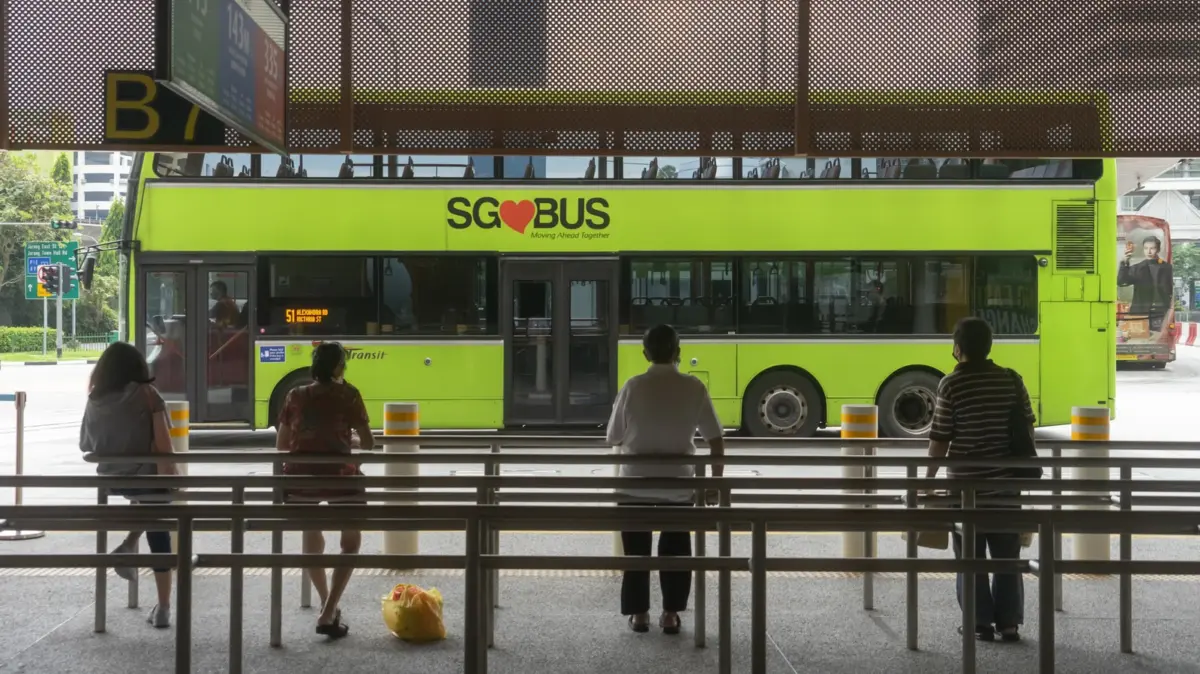
As global energy costs and fluctuating gas prices reach new heights, commuters around the world are increasingly turning to mass transit systems in an effort to save money and reduce their carbon footprint. Unfortunately, navigating shared public spaces also means encountering the full spectrum of human behavior. While public transit remains an essential lifeline for millions of urban residents daily, it frequently invites frustrating, disruptive, or outright unsanitary encounters that can turn a routine morning commute into a trial of patience.
While many cities struggle to curb everyday commuter nuisances, Singapore is taking a definitive stance. The island city-state is officially doubling down on existing regulations to crack down on discourteous and unsanitary behavior, rolling out a stringent framework of heavy fines aimed at penalizing disruptive transit riders.
The path toward these stricter enforcement measures has been gradual. Informational signs offering guidance on appropriate public transit etiquette began appearing on Singapore’s bus networks in December 2024. These notices advised passengers to keep their voices and device volumes down, occupy only a single seat, and refrain from sitting on vehicle floors. However, while these guidelines set community standards, transit operators initially lacked the administrative teeth to directly penalize offenders, relying instead on drivers to intervene or escalate issues to local law enforcement.
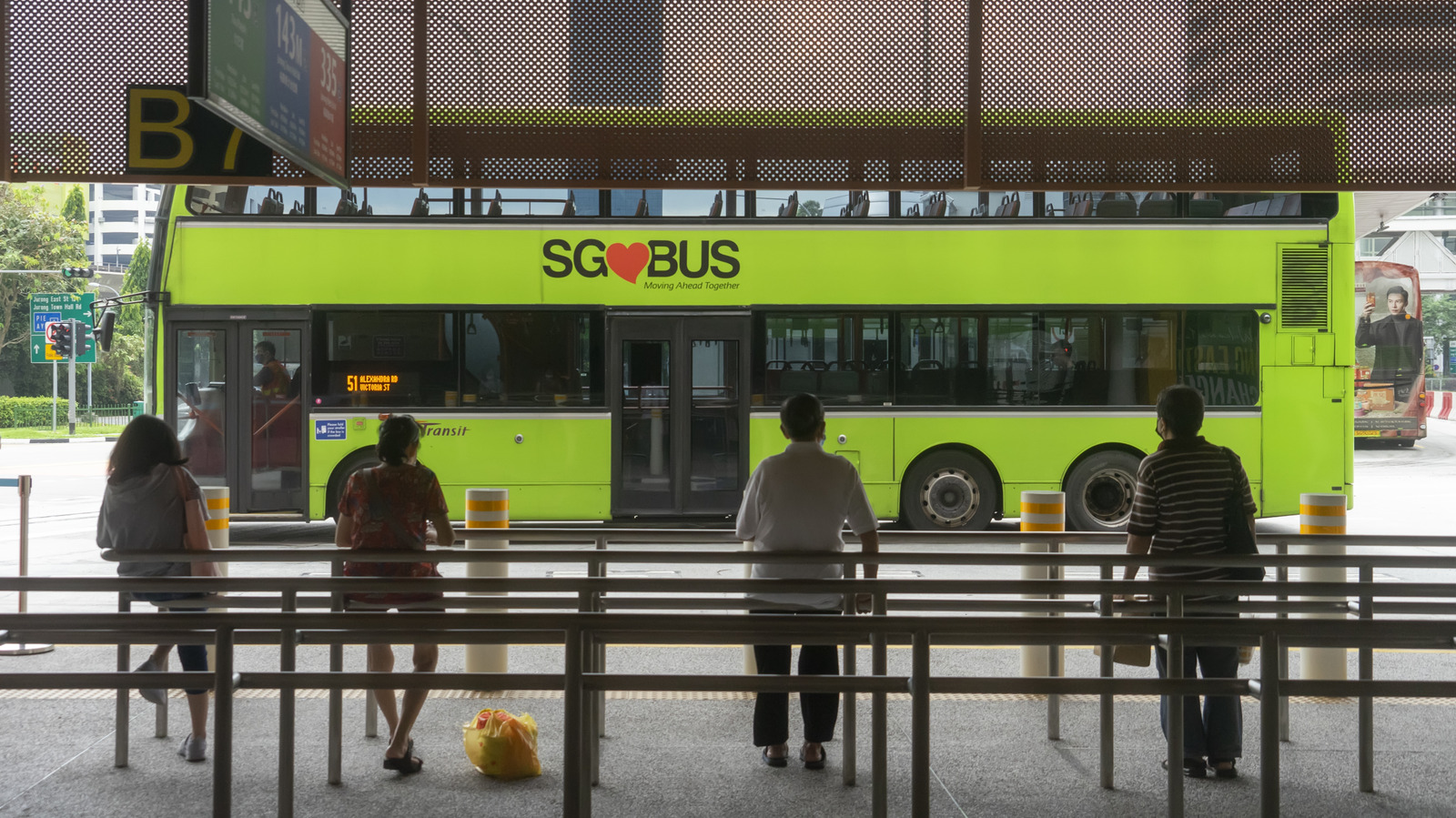
To bridge this gap, Singapore’s parliament passed a legislative amendment granting public transit authorities expanded powers to handle problematic behavior independently. Under the updated framework, authorized staff members representing the city-state’s multiple transit operators are now empowered to issue administrative notifications to passengers suspected of committing specific offenses. These notifications serve as the precursor to formal investigations by the Land Transport Authority, paving the way for financial penalties that make bad behavior a costly mistake.
Under the updated rules, engaging in everyday nuisances can quickly add up. Offenses such as placing feet—regardless of footwear cleanliness—on seats, sharing phone calls, playing music, or broadcasting social media audio at high volumes can cost offending riders roughly 500 Singapore Dollars, equivalent to about $390 USD. More severe infractions, such as damaging transit property or engaging in behavior that poses a direct safety hazard to fellow passengers, carry significantly steeper consequences, with fines soaring as high as 5,000 Singapore Dollars, or approximately $3,900 USD. These tiered financial penalties align closely with the pre-existing regulatory guidelines long enforced within Singapore’s rapid transit subway system.
Imagine a future without loud obnoxious phone calls and music everywhere you go
Public transportation networks in major Asian metropolitan areas have long held a global reputation for exceptional cleanliness and operational efficiency. It is common across the region to encounter strict prohibitions against eating, drinking, and playing un-headphoned audio on buses and trains. Consequently, these shared transit environments tend to feature lower noise levels, higher levels of mutual commuter respect, and a notable absence of sticky, unhygienic floors.
However, this culture of commuter courtesy is far from universal, prompting several global metropolitan areas to implement their own localized crackdowns. Cities such as Beijing, Kraków, and Toronto have enacted explicit bans prohibiting the playback of audio without headphones on public transit systems. Similar zero-tolerance attitudes are emerging across Europe as well; notably, a traveler in France was recently issued a $200 fine for conducting a loud speakerphone conversation and refusing to comply with staff requests at Nantes Station.
Other major global transit hubs have experimented with massive etiquette campaigns and steep punitive measures to alter passenger habits. In London, transport authorities launched an intensive public awareness campaign aimed at curbing what British media and commuters colloquially refer to as "sodcasting" or the actions of "headphone dodgers." Commuters who refused to cease broadcasting loud audio or comply with staff requests faced potential fines of up to 1,000 British Pounds—roughly $1,350 USD—alongside immediate removal from the train.
Whether the introduction of these direct financial penalties will successfully eliminate annoying and unsanitary commuter habits remains to be seen. Yet, the prospect of quiet, clean, and orderly public transportation offers a compelling vision for urban planners worldwide. Beyond restoring a sense of peace to daily commutes, implementing similar regulatory frameworks in other parts of the world could potentially introduce a novel revenue stream for transit authorities struggling with funding.
Whether similar administrative fines could eventually find a place on broader forms of public travel—such as domestic rail lines, commuter rail, or regional transit—remains an open question for policymakers. For now, transit systems balancing tight budgets and public complaints will be watching Singapore’s enforcement efforts closely to see if heavy fines can successfully reshape commuter culture.