
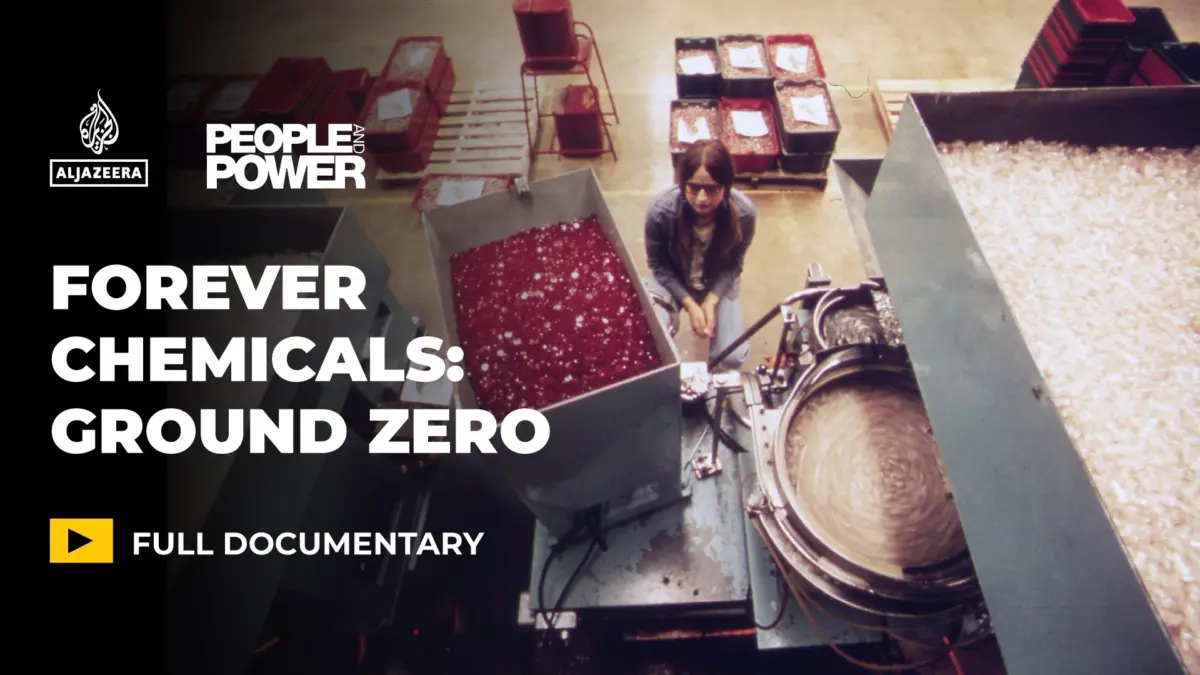
Pervasive, persistent, and poisonous: How one US company helped pollute the world with forever chemicals.
When scientific researchers first discovered a revolutionary new class of synthetic chemicals in the 1940s, they immediately recognized that they had struck industrial gold. These remarkable compounds, known technically as polyfluoroalkyl substances and more commonly referred to as PFAS, possessed an extraordinary suite of physical properties. They were practically indestructible, exhibiting a phenomenal resistance to extreme heat, biting cold, penetrating oil, and moisture. In an era of rapid postwar technological expansion and consumer innovation, these miracle materials seemed destined to transform modern manufacturing.
Over the subsequent decades, PFAS found their way into a staggering array of everyday commercial products and industrial applications. Because of their unique ability to repel grease, water, and stains, they were deployed in everything from non-stick cookware and water-resistant apparel to daily cosmetics, disposable pizza boxes, food packaging, and agricultural pesticides. They became foundational components in firefighting foams, industrial lubricants, and electronics manufacturing. To the modern consumer, these products offered unprecedented convenience, cleanliness, and durability.
However, the very chemical characteristics that made PFAS so exceptionally useful in manufacturing—their incredibly strong carbon-fluorine bonds—also made them a profound hazard to the natural world. These substances do not break down naturally when exposed to sunlight, water, or microbial action. Instead, they linger indefinitely, earning them the grim moniker of "forever chemicals." As they accumulated across the globe, mounting scientific research began to reveal a darker reality: not only do these compounds persist indefinitely in the environment, but many of them are also toxic, posing serious risks to human health and ecological stability.
At the center of this global contamination crisis stands 3M, a towering giant of American corporate industry. As historical records and investigations have demonstrated, 3M was the pioneering corporation that first mass-manufactured PFAS on an industrial scale. For decades, the company drove the widespread commercialization of these compounds while generating billions of dollars in revenue. Yet, critical documentation has shown that this industrial expansion came at a devastating cost to public health and the environment.
According to investigations highlighted in programs like People & Power, the corporate giant was aware of the harmful and toxic effects of PFAS for many years. Despite possessing internal knowledge regarding the hazards these chemicals posed, the company continued its manufacturing operations and allowed its facilities to steadily pollute the surrounding environment. Waste streams, airborne emissions, and improper disposal practices systematically leaked these persistent toxins into local ecosystems, contaminating soil, groundwater, and nearby communities.
The legacy of this widespread contamination now extends far beyond the immediate vicinities of 3M’s historical manufacturing plants. Because PFAS travel easily through water systems and atmospheric currents, they have spread to the farthest reaches of the globe, detected in the bloodstreams of humans and wildlife alike, in remote polar ice, and in deep ocean waters. As regulatory agencies, legal systems, and public health advocates continue to reckon with the sheer scale of the pollution, the story of PFAS remains one of the most significant environmental and corporate accountability challenges of the modern era, underscoring the long-term consequences of prioritizing industrial convenience over ecological and human safety.