
For many automotive purists, the debate over drivetrain configurations is settled right at the showroom floor. While engineering advancements have made front-wheel-drive (FWD) and all-wheel-drive (AWD) layouts remarkably competent, efficient, and ubiquitous in modern transportation, the spiritual crown often remains with rear-wheel drive (RWD). There is a distinct mechanical honesty to separating the steering wheels from the driven wheels, allowing a chassis to rotate naturally under power and offering a dynamic engagement that front-wheel-drive setups can rarely replicate.
When driving a front-wheel-drive car, even one with impressive handling metrics and a nimble chassis, enthusiasts are often left wondering how much more engaging the platform would be if power were sent to the rear axle instead. This hypothetical engineering exercise formed the basis of a recent community discussion, inviting readers to look back at automotive history—and forward at modern segments—to designate which front-wheel-drive cars should have been built with rear-wheel drive.
The prompt opened the floor to both current production models and long-discontinued nameplates, welcoming anyone willing to rewrite a bit of automotive history. The resulting suggestions produced a fascinating cross-section of automotive culture, touching on forgotten grand tourers, beloved Japanese sports coupes, everyday commuter cars, and even the broader sweep of modern electric vehicle development.
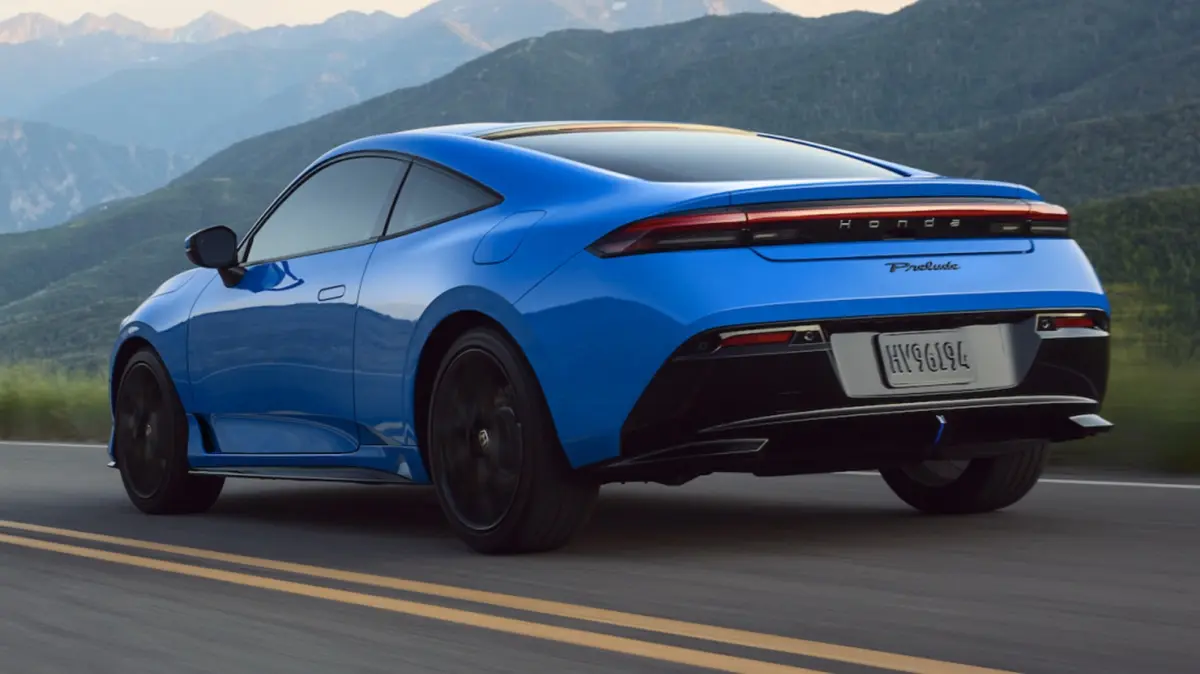
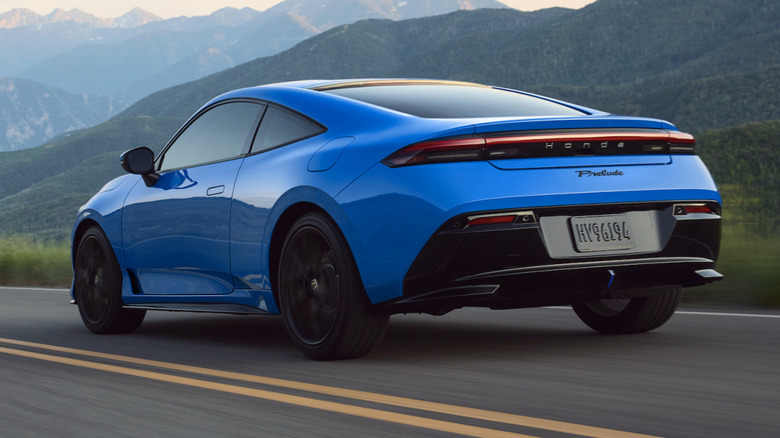
Among the most frequently cited vehicles was the Honda Prelude, a nameplate that has long captivated design purists. Readers noted that the classic lines of the fifth-generation Prelude, in particular, possessed the unmistakable visual proportions of a rear-wheel-drive machine. Suggestions for the ideal setup included a classic longitudinal K-series engine layout paired with double wishbone suspension and a manual transmission, a configuration that would have elevated the Prelude from a sporty commuter into a true enthusiast darling.
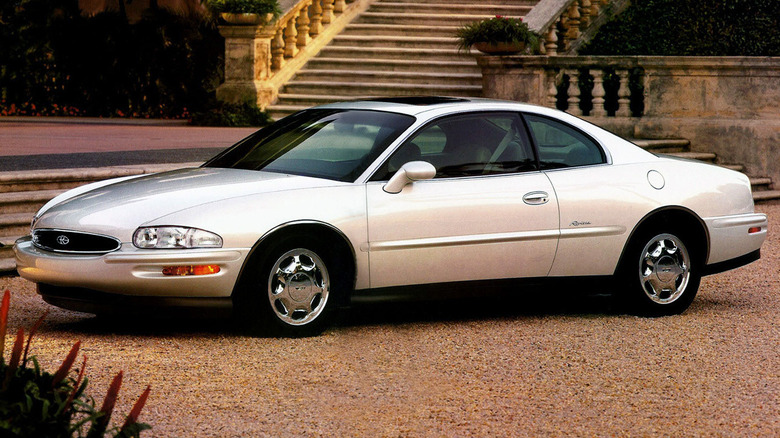
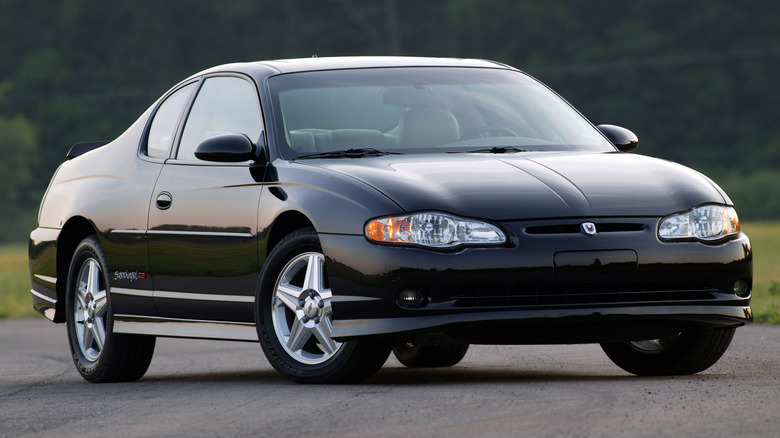
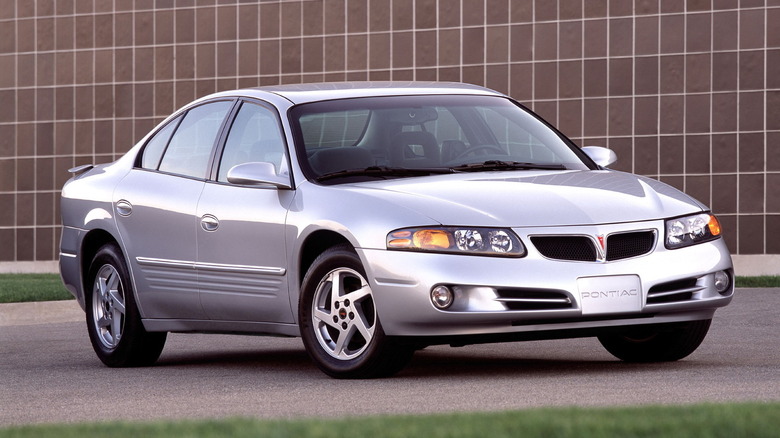
American grand tourers also dominated a significant portion of the discussion, particularly models from the late 1990s and early 2000s that featured daring styling and comfortable ride qualities hindered by their front-wheel-drive architecture. The eighth-generation Buick Riviera stood out as a prime candidate. Admirers of the car highlighted its bold, risk-taking design and plush highway manners, noting that an American-branded, rear-wheel-drive grand touring coupe from a near-luxury badge is a glaring omission in today’s automotive landscape. Commenters drew similar comparisons to other classic nameplates like the Chevrolet Monte Carlo and the final-generation Pontiac Bonneville. The Bonneville, in particular, was praised for sporting potent powerplants—such as the supercharged 3.8-liter V6 and the robust 4.6-liter V8—wrapped in striking bodywork, yet forced to route power through the front wheels, creating an unnecessary dynamic compromise.
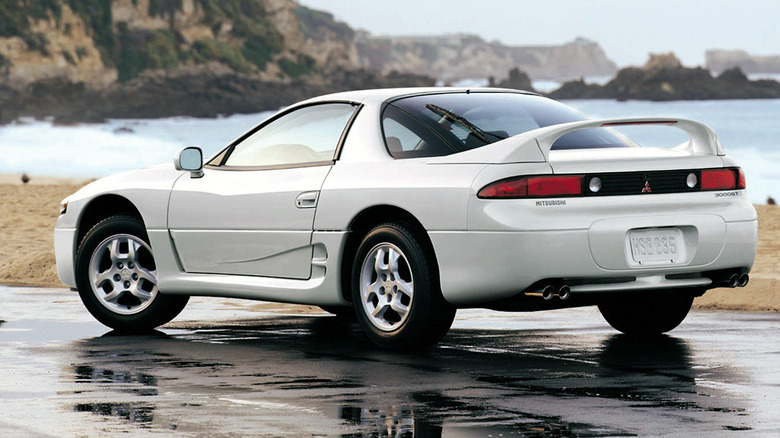
Performance icons from Japan and Europe also made the roster. The Mitsubishi 3000GT, specifically in its non-VR4 front-wheel-drive variant, was brought up by enthusiasts who argued that front-wheel drive was originally popularized as a cost-cutting measure disguised as safety. Proponents of rear-wheel drive noted that while front-wheel-drive layouts prone to understeer can leave a driver helpless when cornering limits are exceeded, oversteer in a rear-wheel-drive setup remains manageable with proper chassis tuning.
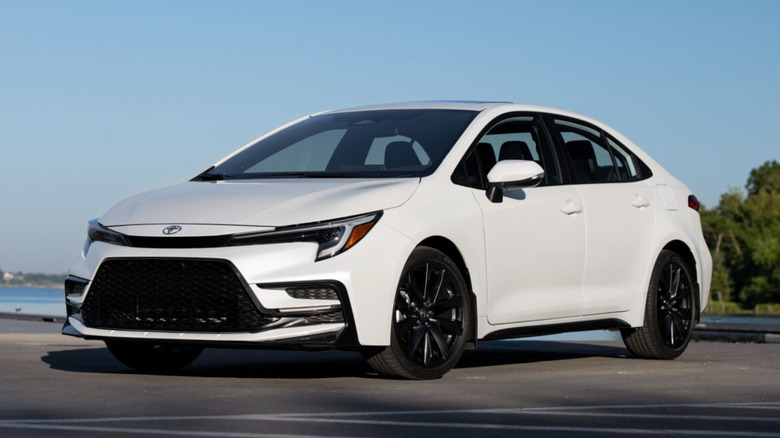
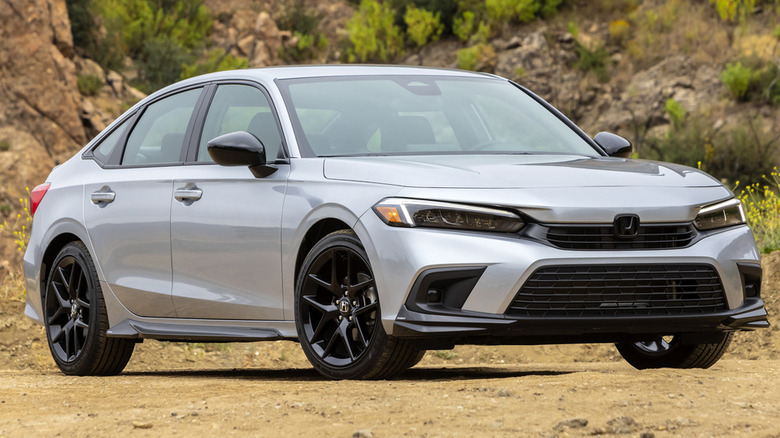
Similarly, the Honda Civic—specifically in its high-performance Type-R iterations—was nominated by readers who pointed out that Honda’s mastery of rear-wheel-drive architecture is well documented through legends like the S2000 and the NSX. Turning the engine ninety degrees and sending power to the rear axle would radically improve weight distribution, enhance balance, and eliminate the torque steer inherent in high-horsepower front-wheel-drive hatches, all while freeing up crucial front-end space for superior suspension geometry.
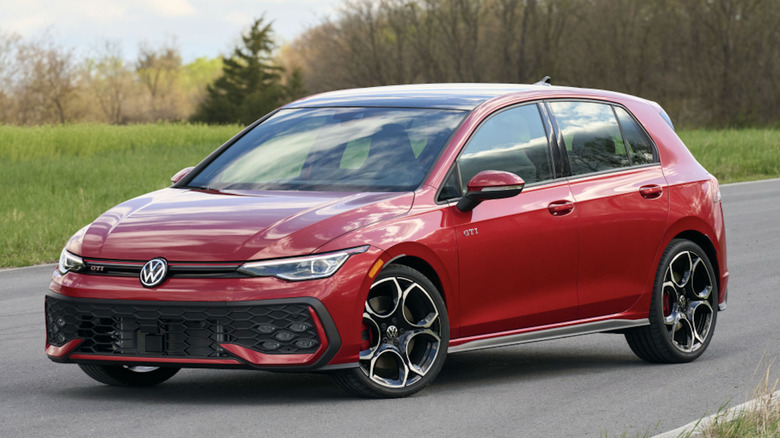
European hot hatch royalty was also represented, with readers reminiscing about the Volkswagen Golf GTI. As a benchmark for accessible performance for decades, enthusiasts could only imagine how much sharper the driving dynamics would have been if Volkswagen had incorporated a rear-wheel-drive layout into the GTI’s storied lineage.
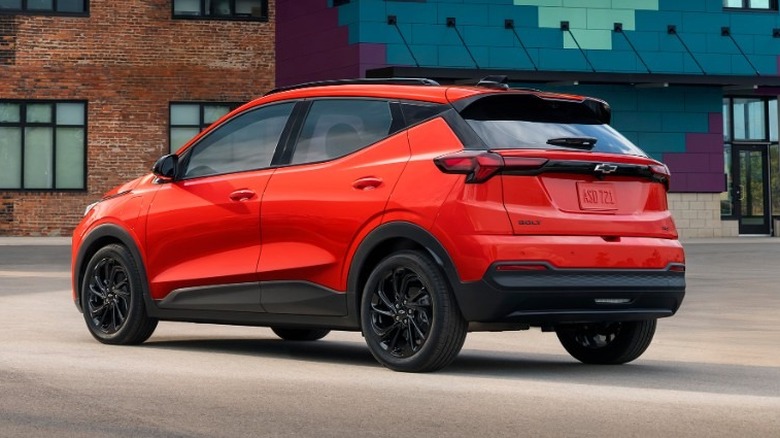
Looking toward the modern era, the conversation expanded to include the burgeoning market of electric vehicles. Several respondents argued that the entire landscape of electric vehicles should default to rear-wheel drive. Unlike internal combustion vehicles, where packaging a transmission tunnel and driveshaft can introduce packaging compromises and weight penalties, electric motors offer seamless packaging flexibility. Readers pointed out that there is little justification for compromising the driving dynamics of modern electric vehicles with front-wheel-drive setups when the traditional packaging constraints of internal combustion engines no longer apply.
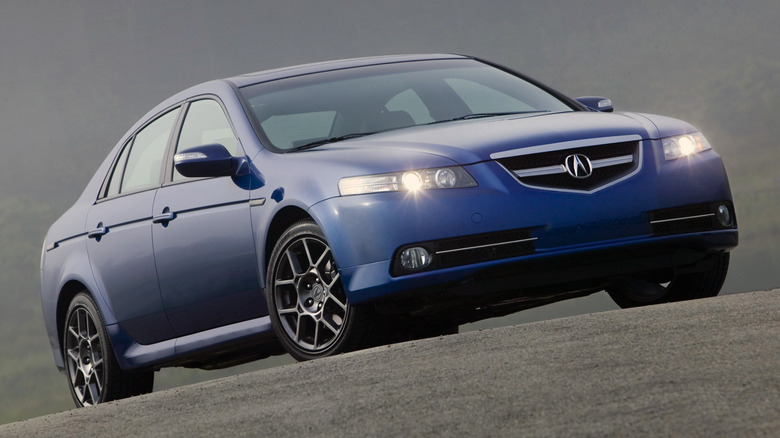
Other notable mentions included the mid-2000s Acura TL Type-S, praised for its stout J-series engine that enthusiasts felt was squandered on a front-wheel-drive platform, and the Ford Probe GT, whose balanced suspension and braking performance were held back only by the inevitable pull of torque steer during hard acceleration.
Whether pondering classic American coupes or modern electric platforms, the overarching sentiment among enthusiasts remains clear: while front-wheel drive serves an undeniable purpose in the name of packaging efficiency and cost-effective manufacturing, the dream of a world populated entirely by rear-wheel-drive equivalents continues to capture the imagination of gearheads everywhere.