
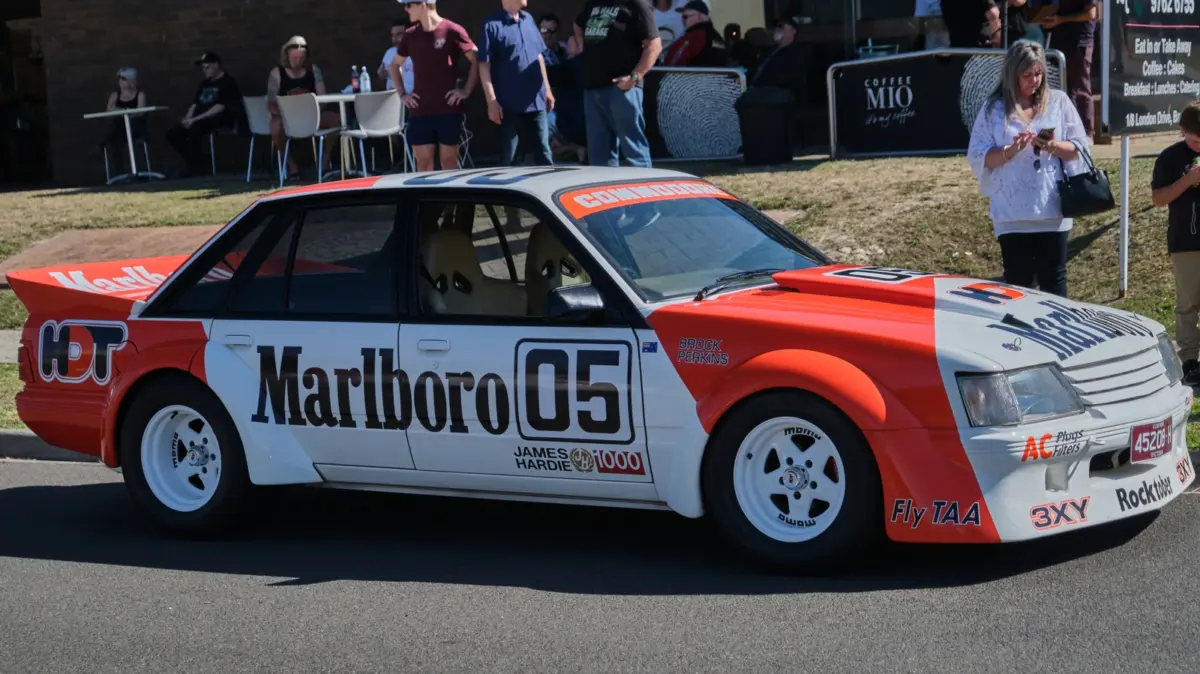
Racing is widely celebrated as one of the few sports that possesses a truly living history, allowing fans to witness vintage machines compete wheel-to-wheel just as they did decades ago. However, modern legal frameworks and public health regulations are increasingly colliding with motorsport heritage. In Australia, updated government regulations have inadvertently created a major crisis for historic racing, barring vintage cars bearing period-accurate tobacco sponsorship liveries from competitive events. The regulatory shift caught motorsport administrators and competitors completely by surprise, triggered swiftly after a major broadcaster refused to air a historic touring car event to avoid potential legal liability.
The conflict stems from the implementation of the Public Health (Tobacco and Other Products) Act 2023, which replaced and significantly tightened Australia’s previous tobacco advertising restrictions. While Australia first placed strict limits on tobacco promotion back in 1993, the updated 2023 legislation—which took effect in 2024—introduced an absolute prohibition on the display, publication, or promotion of any regulated tobacco product on vehicle liveries. Historically, exemptions and carve-outs had protected vintage and classic cars that originally competed with authentic tobacco branding prior to December 24, 1992. The new legislative language, however, eliminated those protections, placing classic racing machines in direct violation of modern health laws.
According to industry reports from Speedcafe, Motorsport Australia was entirely unaware of the amended legal restrictions until late last year, despite the legislation having already taken effect. The realization came to light not through official government notifications to sporting bodies, but through commercial broadcast self-preservation. Broadcasters and event organizers suddenly found themselves staring down the barrel of severe legal penalties for simply transmitting footage of historic races containing iconic brands like Marlboro, John Player Special, Benson & Hedges, and Craven Mild.
Australia has long possessed a deeply entrenched touring car culture, highlighted by the fierce, decades-long rivalry between Ford and Holden, as well as the legendary Bathurst 1000 endurance race, which commands a global audience. Because of this rich heritage, a substantial number of vintage Ford Falcons, Holden Toranas, and other classic touring cars are meticulously maintained and actively raced across the country in historic competition classes. For the dedicated enthusiasts and collectors who spend immense time, money, and effort preserving these vehicles in their authentic historical specifications, the sudden regulatory crackdown has sparked intense frustration and rightful anger over their inability to compete.
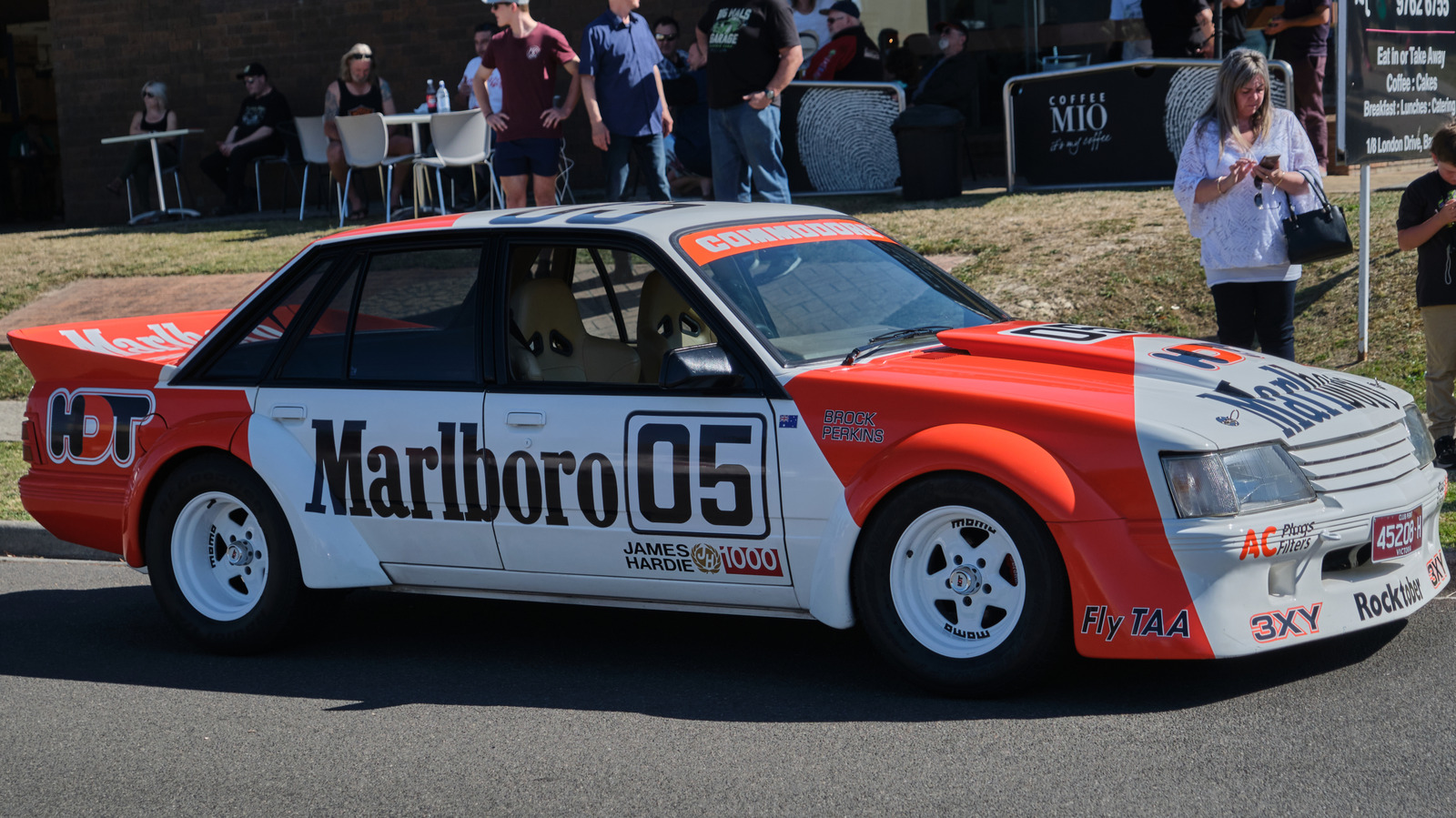
Fox Sports Refusal Made Motorsport Australia Aware of Amended Law
The crisis came to a head in August when Fox Sports Australia abruptly refused to air a Touring Car Masters race scheduled at Sydney Motorsport Park. Rather than broadcasting the historic event, viewers tuned in only to see a replay of a recent Supercars race accompanied by an explanatory message informing them that the network was unable to broadcast the Touring Car Masters race due to legal reasons.
The Touring Car Masters category is designed specifically for touring cars that originally raced between 1963 and 1980—an era when television broadcasts were delivered in standard 576i resolution and tobacco sponsorship was a dominant, standard fixture of motorsport financing. The sudden blackout forced governing bodies and series organizers to confront the harsh reality of the updated legislation.
In a detailed public statement addressing the controversy, Touring Car Masters competition manager Dean Bryant sought to contextualize the difficult decisions made by broadcasters and governing bodies, emphasizing that the various entities involved were reacting to an overarching legal threat rather than acting out of malice toward historic racing.
"Foxtel are simply protecting themselves from the lawsuit that would occur from them showing any race car footage that impinged the Australian Government anti-tobacco advertising legislation. Foxtel is not the enemy here," Bryant stated.
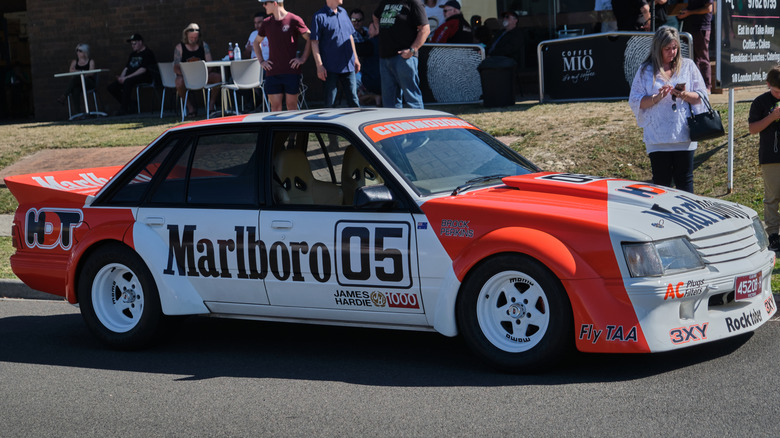
He further clarified the cascading responsibilities throughout the sport’s commercial and regulatory ecosystem. "Supercars have commercial obligations to Foxtel and as such they can’t afford to be involved should the Australian government or a trademark owner decide to take action against Foxtel for showing footage of cars in breach of the legislation. Supercars is not the enemy here!"
Bryant continued by outlining the position of the sport’s governing body and the ultimate risk borne by competitors. "Motorsport Australia is the second-to-last link in the legal chain here should the Australian Government or a trademark owner take action. Motorsport Australia is not the enemy here! The last link in a massive legal chain here is the car owner! Motorsport Australia and Supercars have done nothing more than protect everyone involved here from the real threat of action from trademark holders or government authorities."
The broader debate highlights a delicate friction between modern public health priorities and the preservation of cultural heritage. Tobacco advertising is rightly banned across contemporary society due to the well-documented, severe health risks associated with smoking and tobacco use. Public health laws are designed to protect populations from the normalization and promotion of harmful products. However, critics of the current application argue that legislators and enforcers are failing to distinguish between active commercial advertising campaigns meant to influence modern consumers and the passive display of historical artifacts within a living museum context.
These historic racing cars are not tools of modern marketing, nor are they intended to drive contemporary tobacco sales. In many cases, the specific brands plastered across their bodywork—such as Craven Mild—were discontinued decades ago in the early 1980s. Instead of functioning as commercial advertisements, these vehicles operate as rolling historical documents, preserving the visual identity, engineering milestones, and aesthetic era of a bygone period in motorsport history. As owners, organizers, and legal experts grapple with the implications of the Public Health (Tobacco and Other Products) Act 2023, the future of authentic historic racing liveries in Australia remains uncertain, leaving classic car enthusiasts hoping for a legislative carve-out that protects the sport’s past without undermining public health standards.