
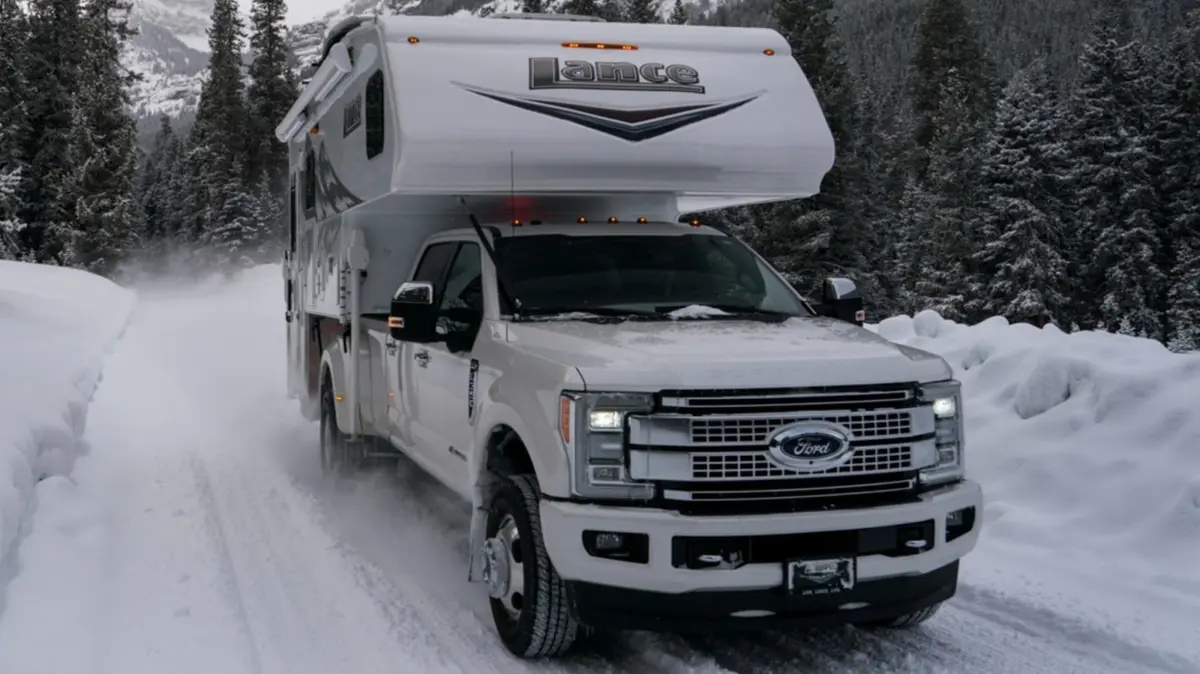
Life on the open road rarely resembles a completely smooth, perfectly paved highway. Travelers inevitably encounter unexpected speed bumps, jarring potholes, and sudden changes in the weather that can test the resolve of even the most experienced road warrior. Yet, despite these unpredictable elements, millions of people continue to find immense joy in exploring the countryside, national parks, and remote destinations aboard a recreational vehicle.
When discussing recreational vehicles, industry definitions often span a vast spectrum. The market’s leading trade group, the Recreational Vehicle Industry Association (RVIA), broadly encompasses everything from massive motorized luxury homes to various towable trailers, along with every distinctive configuration existing in between.
The incredible variety of available models exists because a recreational vehicle functions as a temporary combination of wheels and a homestead. As the RVIA explicitly notes, these vehicles are not intended to serve as permanent housing. However, a growing subculture of nomads, van-life enthusiasts, and custom camper builders frequently challenge those traditional boundaries. As alternative setups like compact kei-car campers demonstrate, a single design approach cannot possibly satisfy every traveler.
Individual travel styles, camping preferences, financial constraints, and the presence of road trip companions all influence the decision-making process. A solo nomad who intends to park in a single remote location for an extended period has vastly different structural requirements than a family embarking on a seasonal journey with domestic pets. Regardless of the specific travel style, any mobile lodging must be adequately equipped to handle changing environmental conditions on both the interior and exterior. While standard setups suffice for many, a specialized four-season RV appeals directly to travelers who desire year-round, whenever-wherever flexibility, regardless of what the weather forecast dictates.
Before committing to a purchase, however, prospective buyers often encounter a fundamental question: Is there actually an official designation known as a four-season RV?
Official industry standards, as it turns out, reveal a surprising nuance. According to data and insights from platforms like RVShare, despite the seemingly endless categories of available vehicle types, no formal industry standard dictates precisely what constitutes an all-season road warrior. Manufacturers and buyers alike navigate a landscape where the term is used descriptively rather than regulatory. Nevertheless, travelers can readily purchase factory-built models designed for extreme conditions or retrofit existing rigs to handle harsh environments.
What defines a four-season RV?
Traditional recreational vehicles are predominantly built as three-season models. These standard units are engineered for optimal comfort during the generally pleasant, temperate months of spring, summer, and fall. Once winter arrives and temperatures plummet, these standard rigs are typically winterized and placed into storage until the following year.
An all-season rig, by contrast, is engineered to withstand extreme freezes and harsh meteorological conditions. The reality of modern travel involves unpredictable geographical locations where drastic weather shifts can occur within a single 24-hour period. Sudden temperature drops during midwestern autumn transitions or the wildly fluctuating desert conditions found at events like Burning Man highlight the need for robust vehicle preparation.
Although official regulatory guidelines regarding four-season RVs remain absent, a clear consensus exists among industry experts and seasoned enthusiasts concerning vehicle preparedness. The most critical operational components involve ensuring that the insulation, heating, ventilation, air conditioning, plumbing, and window assemblies can tolerate frigid temperatures without failing.
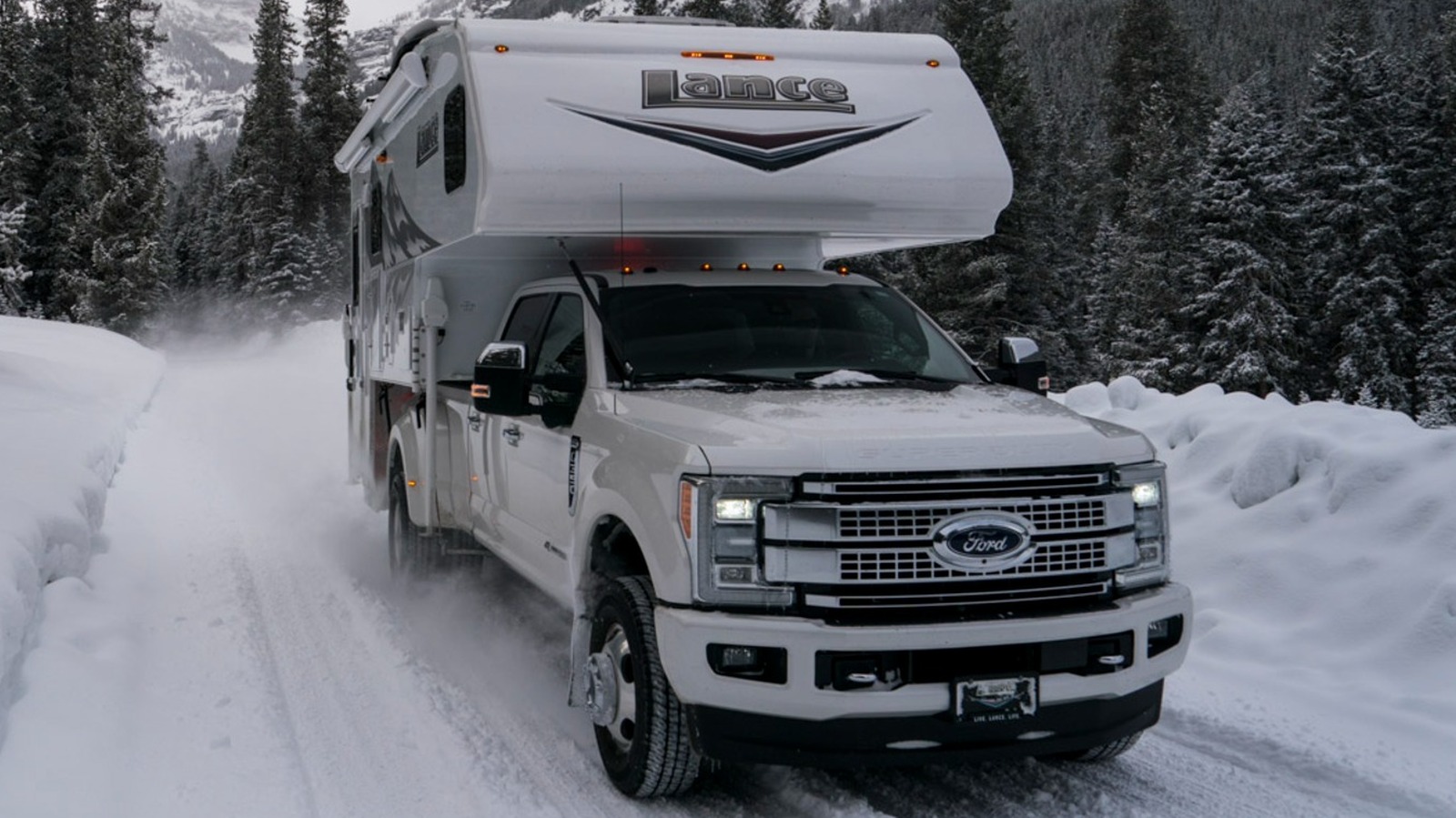
Installing heavy-duty insulated panels is paramount for retaining interior heat while successfully blocking bitter outside air from penetrating the cabin. This thermal protection extends directly to vulnerable areas such as exposed pipes and holding tanks, which are notoriously susceptible to freezing and bursting in sub-freezing weather. RV skirting serves as a temporary yet highly effective method for mitigating this risk. By wrapping an insulated cover or barrier completely around the bottom perimeter of the vehicle, the setup creates a protective enclosure that shields the vulnerable undercarriage from biting arctic winds.
Yet, superior insulation alone often proves insufficient for standard heating and cooling systems to maintain a consistently comfortable interior environment during severe cold snaps. Consequently, heavy-duty heating solutions such as propane or diesel furnaces, or even built-in electric fireplaces, are frequently integrated into genuine four-season RVs. Industry publications like RV Trader note that advanced heat pumps, which operate primarily on electricity, offer a viable alternative for travelers seeking to minimize their reliance on propane tanks during extended winter stays.
Another essential modification involves upgrading to double-pane windows, which drastically reduce thermal transfer and prevent condensation buildup. Additionally, incorporating RV-specific antifreeze into the plumbing and holding tanks provides an essential layer of insurance against sudden overnight freezes.
Who is a four-season RV for?
The broader market for recreational vehicles continues to experience significant consumer interest. Demographic data indicates that millions of households own an RV, while millions more express active interest in purchasing a unit within a multi-year window. Furthermore, these figures expand exponentially when factoring in the thriving market for vehicle rentals and peer-to-peer borrowing.
When focusing specifically on cold-weather travel, millions of Americans routinely make travel plans to hit the highway during winter holiday periods, demonstrating a steady upward trend in off-season tourism. Whether the objective is visiting distant family members or escaping daily routines, RVing remains a remarkably popular mode of exploration, even when external conditions turn unbearably frosty.
This widespread popularity raises a practical question regarding consumer demand: Do average travelers genuinely need a fortified four-season RV?
Undoubtedly, a reinforced vehicle offers exceptional performance in maintaining a comfortable indoor climate during extreme summer heatwaves as well as frostbite-inducing winter cold. However, broader industry data complicates the necessity of these specialized units for the average consumer. According to demographic surveys published by the Go RVing initiative, the median number of days an RV is utilized annually hovers at approximately 30 days.
This statistical reality indicates that typical RV utilization centers around extended holiday vacations or intermittent weekend excursions. Unless travelers plan to maintain full-time residency within their mobile lodging or identify as dedicated camping enthusiasts who genuinely travel year-round across diverse geographic regions, a standard three-season RV remains more than adequate for the vast majority of road trippers.