
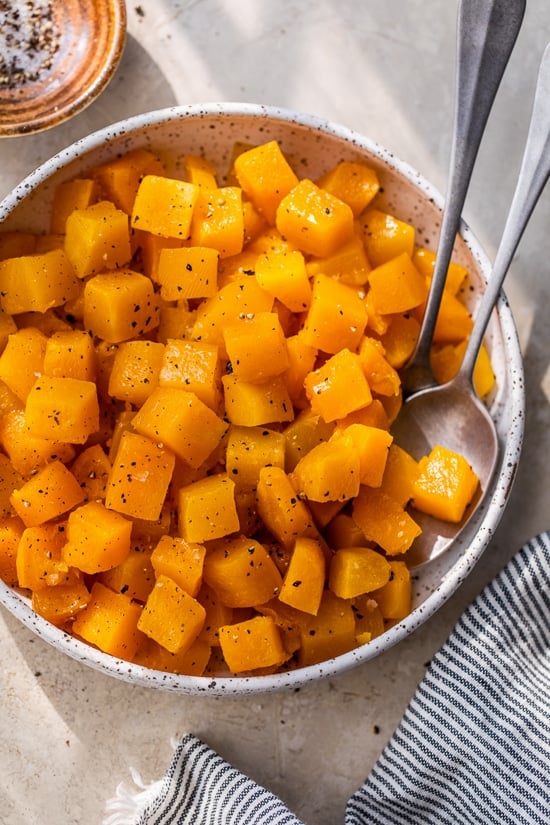
As the autumn season descends, bringing with it a crisp chill in the air and the inevitable shift in culinary preferences toward warmer, heartier fare, the search for the perfect side dish begins in earnest. For many home cooks, the ideal addition to a meal is one that manages to be both sophisticated enough for a holiday table and accessible enough for a standard Tuesday night dinner. Among the myriad options available, the maple roasted butternut squash has emerged as a standout, primarily due to its minimalist approach to preparation and its ability to highlight the natural, earthy sweetness of seasonal produce.
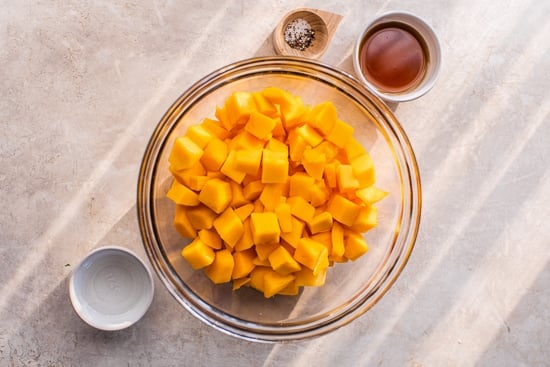
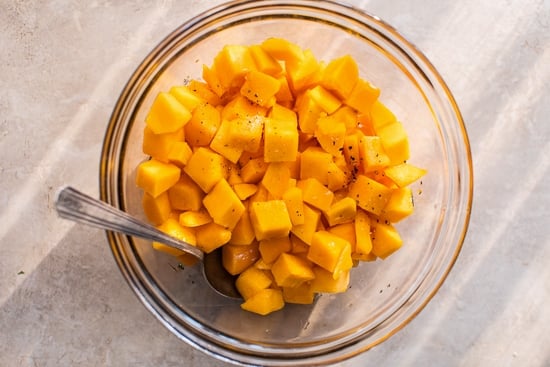
At its core, this dish relies on a straightforward philosophy: take high-quality ingredients, apply heat, and let the chemistry of caramelization do the rest. By combining cubed butternut squash with a touch of pure maple syrup and a drizzle of olive oil, the oven transforms the firm, dense vegetable into a tender, golden-brown delicacy that balances savory undertones with a gentle sweetness. This methodology, championed by home cooking experts like Gina of Skinnytaste, serves as a masterclass in how to elevate humble ingredients without the need for complex techniques or an exhaustive pantry list.
The Appeal of Minimalist Cooking
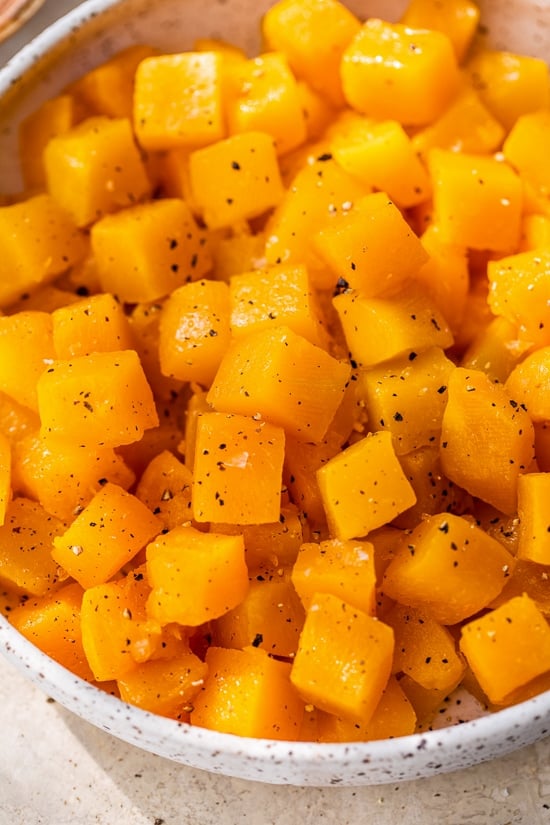
The primary draw of this recipe lies in its efficiency. In a fast-paced world, the ability to produce a dish that feels elevated while requiring minimal hands-on time is a significant advantage. Because the recipe calls for only three core components, it removes the friction often associated with vegetable preparation. When the squash is roasted, the natural sugars within the vegetable react with the heat and the added maple syrup, resulting in a deep, caramelized exterior that creates a complex flavor profile. This process is essentially a lesson in patience; while the preparation takes only a few minutes, the oven does the heavy lifting, ensuring that the squash reaches the perfect texture—tender on the inside, yet slightly charred and crisp on the edges.
This dish is particularly well-regarded for its versatility. During the holiday season, when stoves are crowded and time is at a premium, having a side dish that can be roasted in the background is invaluable. Whether it is served alongside a traditional Thanksgiving turkey or as a simple accompaniment to a seared piece of protein during the workweek, the maple roasted butternut squash fits seamlessly into a wide variety of dining contexts.

Navigating the Practicalities of Preparation
Despite its simplicity, the preparation of butternut squash often presents a hurdle for home cooks: the formidable, thick skin that protects the fruit. Dealing with the tough exterior can be intimidating, and often leads to the temptation of purchasing pre-cut options from the grocery store. While convenience is certainly a factor, mastering the technique of peeling and cutting the squash can be a rewarding endeavor.
For those opting to start with a whole squash, safety and efficiency are the primary considerations. Experts often recommend a few practical hacks to mitigate the difficulty of peeling. One widely accepted method involves piercing the skin of the squash with a fork in several places and placing it in the microwave for two to four minutes. This brief exposure to heat softens the tough outer layer, making it far easier to peel with a vegetable peeler or slice through with a chef’s knife. This minor adjustment to the prep phase can save significant time and physical exertion, allowing the cook to focus on the roasting process rather than the mechanical struggles of prep work. For those who find even this process too time-consuming, high-quality frozen, pre-cubed squash remains a viable alternative, provided the cook understands that the texture may differ slightly from fresh, oven-roasted varieties.

Enhancing the Culinary Experience
The beauty of a base recipe like this is the room it leaves for personal interpretation. While the classic combination of maple syrup and olive oil is widely celebrated for its ability to enhance the natural profile of the squash, it serves as a foundation for further culinary exploration. For those who prefer different flavor notes, honey or brown sugar can easily be substituted for maple syrup, offering a slightly different caramelization profile.
Furthermore, the technique itself is highly transferable. The method of roasting with a sweetener and a fat is not restricted solely to butternut squash; it works exceptionally well with other winter squashes, such as acorn, delicata, or even pumpkin. Because these varieties have slightly different densities and moisture contents, a seasoned cook will adjust the roasting time accordingly, keeping a watchful eye on the oven to ensure the edges achieve that desirable golden-brown color without burning.
For the modern cook, the ability to utilize existing kitchen technology is also a boon. While a traditional oven is the standard for achieving that deep, roasted flavor, air fryers have proven to be an effective alternative. By utilizing the convection power of an air fryer, one can achieve a similar result in less time, making it an excellent option for those cooking in smaller batches or those looking to reduce their overall energy consumption.
Nutritional Value and Serving Suggestions
Beyond the flavor and the convenience, there is a nutritional argument to be made for incorporating more roasted squash into the daily diet. At approximately 104 calories per serving, this dish provides a low-fat, high-fiber option that fits into a variety of dietary plans. It acts as a nutrient-dense alternative to heavier side dishes, such as those loaded with cream or butter, without sacrificing the sensory satisfaction of a well-prepared meal.
When it comes to building a cohesive menu, the maple roasted butternut squash shines as a supporting player. It pairs beautifully with other classic autumn side dishes. A plate featuring sautéed Brussels sprouts, roasted green beans with caramelized onions, and the sweet warmth of maple-coated squash creates a balance of textures and colors that is quintessentially fall. For a complete dining experience, many suggest following the meal with a light, seasonal dessert, such as a pear-cranberry crisp, which reinforces the orchard-fresh theme of the evening.
Long-term Storage and Planning
Proper planning is the hallmark of a successful home kitchen. Fortunately, this dish is forgiving when it comes to leftovers. Once roasted, the squash can be stored in an airtight container in the refrigerator, maintaining its quality for several days. This makes it an ideal candidate for meal prepping; a large batch can be roasted on a Sunday and integrated into various meals throughout the week, whether as a salad topping, a component in a grain bowl, or a quick side dish reheated in the microwave or oven.
The sustained popularity of this dish among home cooks underscores a broader shift in food culture. There is a growing appreciation for recipes that strip away the unnecessary, favoring clarity and quality over complexity. By focusing on the inherent characteristics of the butternut squash and supporting them with a few intentional, high-quality ingredients, one can produce a dish that feels both timeless and perfectly suited to the modern table. Whether for a large gathering or a quiet meal at home, the maple roasted butternut squash remains a testament to the idea that the most effective recipes are often those that respect the simplicity of the ingredients themselves.