
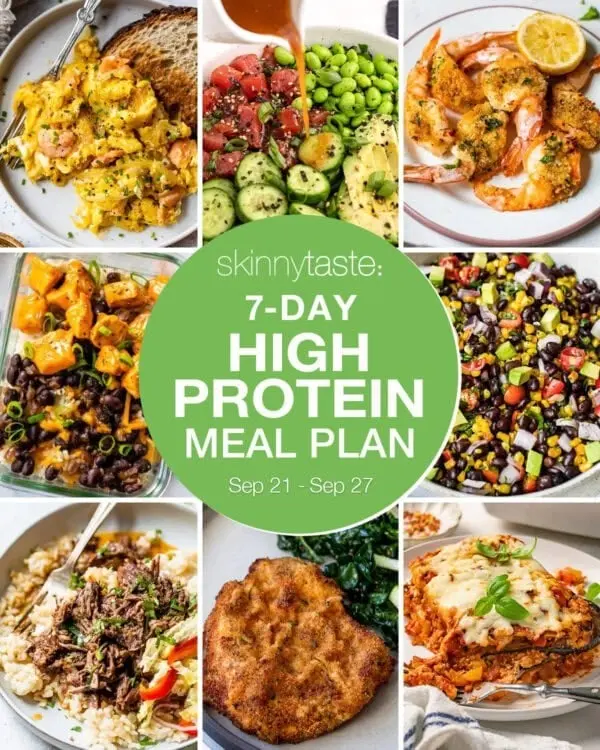
As the summer sun begins to dip earlier each evening and the air takes on the crisp, unmistakable chill of approaching autumn, culinary habits naturally begin to shift. For many home cooks, this transition marks the highly anticipated return of "soup season," a time when comfort food takes center stage. To help readers navigate this seasonal change while maintaining their health and fitness objectives, a new, comprehensive 7-day high-protein meal plan has been released. This latest resource is designed to provide a structured yet flexible approach to nutrition, offering a full suite of breakfast, lunch, and dinner ideas, complete with a detailed, downloadable shopping list.
The meal plan is particularly timely as it addresses the growing interest in protein-focused diets, which many are adopting to support muscle maintenance, recovery, and overall satiety. By prioritizing protein intake, individuals often find it easier to manage their hunger levels throughout the day, effectively curbing the urge to reach for less nutritious snacks.
The Philosophy Behind High-Protein Meal Planning
The shift toward higher protein consumption is more than just a passing trend for many wellness enthusiasts. For the creator of this meal plan, the transition to a high-protein lifestyle has been a transformative experience over the past several years. The primary benefit cited is a significant increase in feelings of strength and satisfaction. By distributing protein intake evenly across three main meals—aiming for at least 30 grams per meal—and supplementing with snacks containing between 10 and 30 grams, it becomes much easier to maintain energy levels and avoid the common pitfalls of impulsive snacking on processed foods.
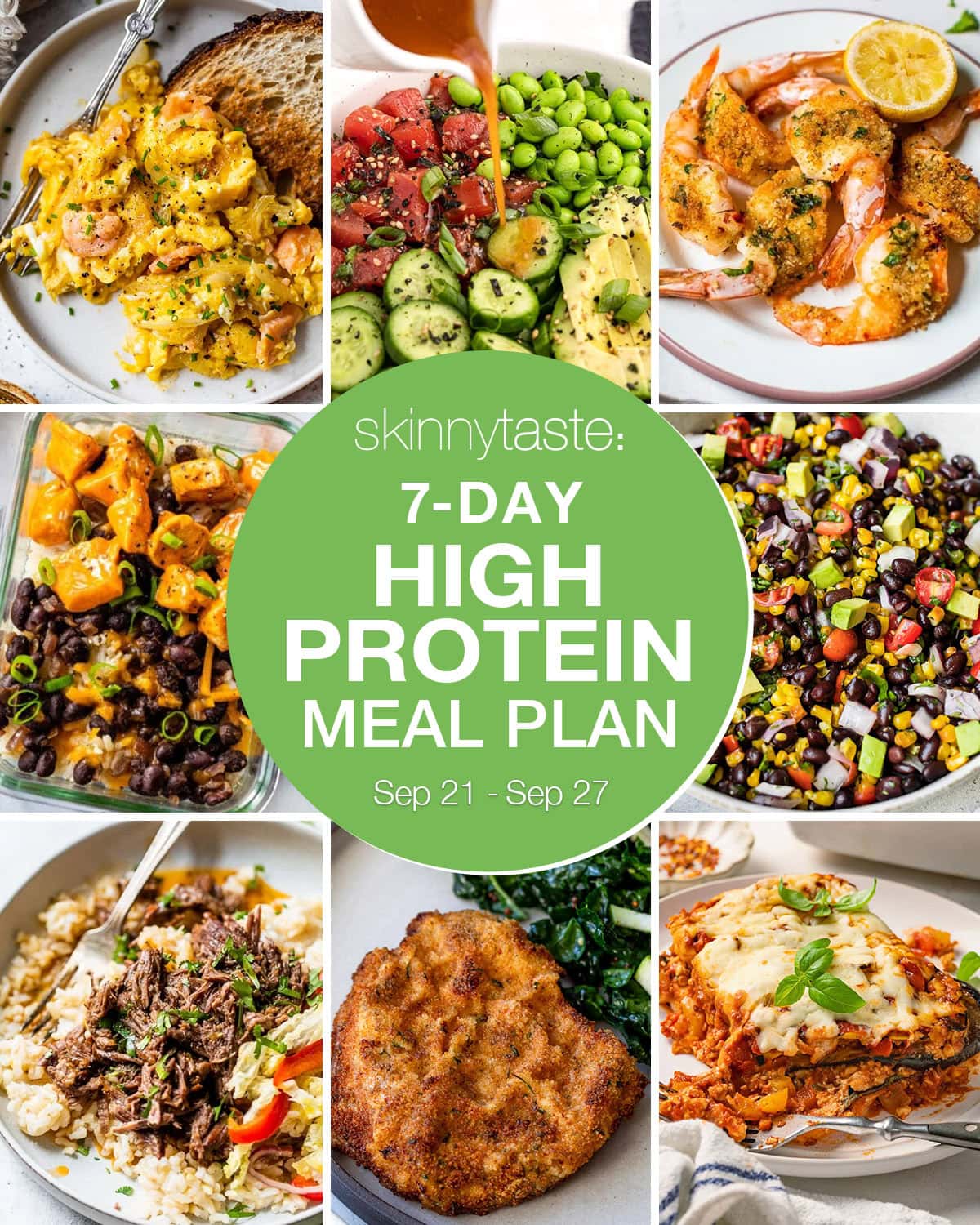
While this plan offers a robust framework, it is presented with the important caveat that nutritional needs are highly individual. Factors such as age, weight, activity level, and personal health goals play a significant role in determining how many calories and how much protein an individual requires. The plan suggests that users aim for a baseline of approximately 1,500 calories per day, though this is a general recommendation rather than a rigid prescription. Readers are encouraged to utilize resources such as the USDA’s MyPlate tool or consult with a nutritionist or registered dietitian to tailor these suggestions to their specific physiological requirements.
Furthermore, it is essential to approach dietary changes with caution, particularly for those with underlying health concerns. Individuals dealing with kidney or liver disease, gout, or specific metabolic disorders should be mindful of their protein intake. It is strongly advised that anyone with a pre-existing health condition consults with a healthcare provider before making significant adjustments to their daily diet.
Seasonal Integration and Comfort Cooking
With the autumn season arriving, the meal plan leans into the comforting nature of slow-cooker recipes. Utilizing a slow cooker is a strategic way to manage busy weeknights, allowing for nutritious meals like Sancocho—a traditional, hearty stew—and beef barley soup to be ready with minimal active preparation time. These dishes are highlighted for being both protein-dense and satisfying, making them ideal for the cooler weather ahead.

The current week’s menu is carefully curated to balance these seasonal favorites with lighter, nutrient-dense options. The schedule includes a variety of dishes such as breakfast quesadillas, buffalo chicken rice bowls, and peach pie cottage cheese bowls to keep the palate engaged. By mid-week, the plan incorporates strategies for utilizing leftovers, such as repurposing braised beef for a second dinner with cauliflower rice, which helps streamline the cooking process and reduce food waste.
For members of the Weight Watchers (WW) community, there is additional guidance provided. The program has recently updated its list of zero-point foods—with notable additions like oatmeal—and while the process of updating every recipe on the site is ongoing, a practical solution is already in place. Every recipe featured in the meal plan is linked to the official WW recipe builder, which can be accessed via mobile devices to automatically calculate the updated point values for each meal.
Flexibility and Community Support
A recurring theme in this meal plan is the importance of flexibility. The provided schedule is intended to serve as a guide rather than a rigid mandate. Readers are encouraged to customize the plan, whether by adding extra servings, incorporating beverages and snacks, or swapping out recipes to better suit their personal tastes and dietary preferences. The index on the site remains a primary resource for those looking to substitute meals while maintaining the integrity of their nutritional goals.
Beyond the recipes themselves, the plan emphasizes the value of community and organization. A dedicated Facebook group has been established for followers to share their culinary creations, tips, and experiences, fostering a supportive environment for those on similar health journeys. Additionally, for those who prefer a tangible approach to their meal management, there is an "Ultimate Skinnytaste Meal Planner" available. This resource includes a 52-week spiral-bound layout, weekly tear-out grocery lists, and dedicated sections for daily intentions and gratitude, recognizing that the mental aspect of healthy living is just as important as the physical.
Looking Toward Future Developments
The focus on high-protein nutrition is set to continue, with plans to release one or two such meal plans every month. This sustained effort reflects the ongoing interest in the diet and the positive feedback received from the community. Furthermore, the development of a dedicated high-protein cookbook is currently underway, promising to offer even more specialized resources for those looking to integrate these habits into their long-term lifestyle.
As the leaves begin to turn and the routines of the new season solidify, having a structured plan can alleviate the stress of daily decision-making. By combining the efficiency of meal planning with the satiety of high-protein recipes and the comfort of seasonal slow-cooked meals, this resource provides a practical path forward for anyone looking to enter the fall season with renewed focus on their health and wellness. Whether one is a seasoned meal-planner or a newcomer to the concept, the emphasis on quality, flavor, and individual adaptability remains the cornerstone of this approach to modern nutrition.