
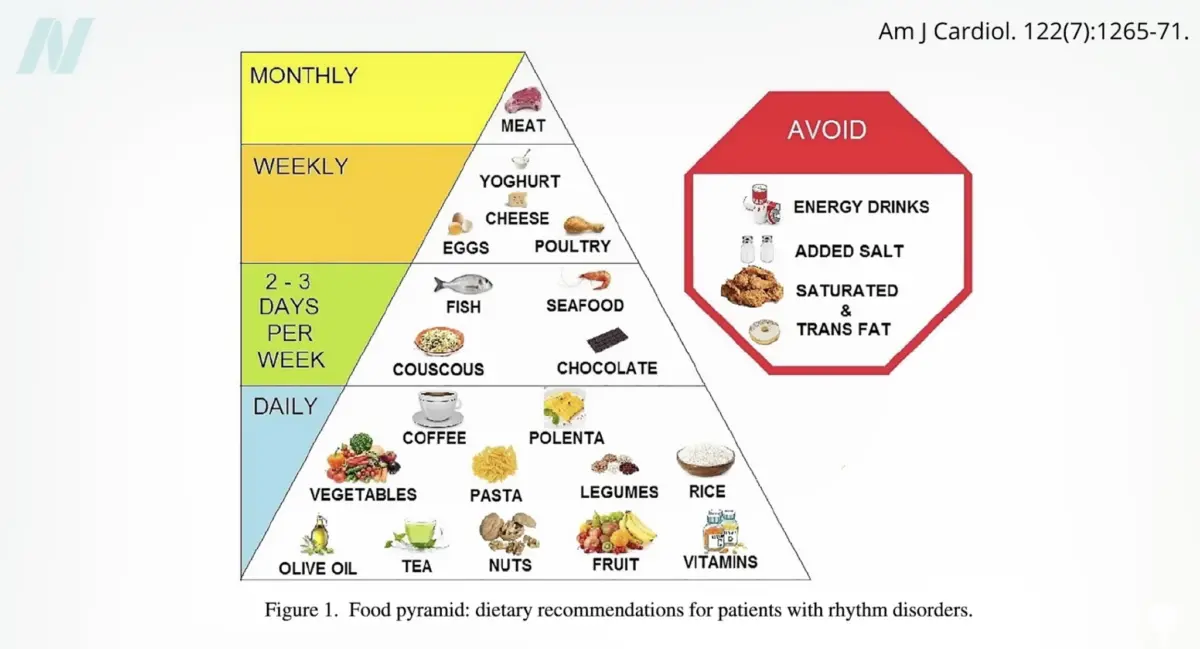
Atrial fibrillation, commonly known as Afib, has established itself as the most prevalent clinical arrhythmia in the modern world. Characterized by an irregular and often rapid heart rhythm, this condition affects millions of Americans and stands as a formidable global public health challenge. The medical community views it with significant concern, not merely for the discomfort it causes, but because of the "significant burden" of morbidity and mortality associated with it. Afib is a well-documented precursor to severe health events, including stroke, heart failure, and myocardial infarction. As the prevalence of this condition rises, patients and researchers alike are increasingly asking a fundamental question: Beyond pharmacological interventions and surgical procedures, is there a specific dietary pattern that can help prevent, manage, or even treat this persistent rhythm disorder?
Recent research has begun to shed light on what not to eat, providing a clearer picture of how certain dietary habits may exacerbate the risk of developing heart rhythm disturbances. A significant body of evidence now points toward the dangers of low-carbohydrate diets. While these diets are often marketed for weight loss, their long-term impact on cardiovascular health appears to be detrimental. Studies suggest that individuals adhering to low-carb protocols are at a measurably increased risk of developing atrial fibrillation. This correlation is likely driven by several interconnected biological mechanisms.
First, the composition of low-carb diets often necessitates a reduction in the intake of fiber-rich, anti-inflammatory foods such as whole grains, legumes, fruits, and vegetables. By cutting out these staples, individuals may inadvertently deprive their bodies of the protective compounds necessary to combat chronic systemic inflammation—a known contributor to cardiac arrhythmias. Second, the reliance on higher intakes of protein and fat—particularly from animal sources—can trigger oxidative stress. This process leads to the formation of free radicals, which have been directly linked to the structural and electrical remodeling of the heart that characterizes Afib. Finally, low-carb diets are also associated with a higher risk of broader cardiovascular disease, which can create a hostile environment within the heart, setting the stage for arrhythmias to take hold. Evidence indicates that these diets are linked not only to an increased risk of incident Afib but also to higher rates of overall mortality, including death from cancer and heart disease.

In contrast, the dietary profile recommended for those seeking to protect their heart rhythm is effectively the mirror image of a low-carb, high-fat regimen. A whole food, plant-based diet—one that emphasizes the consumption of legumes, whole grains, vegetables, fruits, and nuts while minimizing or entirely eliminating animal products—appears to hold the most promise. Such a diet achieves two primary goals: it maximizes the intake of cardioprotective, anti-inflammatory nutrients and simultaneously removes the potential harms associated with animal-derived proteins and fats.
Specific dietary choices, particularly regarding alcohol and certain types of fish, have been shown to have a measurable impact on heart rhythm stability. The Framingham Heart Study provided compelling data regarding the consumption of "dark fish"—a category that includes salmon, mackerel, swordfish, bluefish, and sardines. In an exploratory analysis, researchers observed that individuals who consumed more than four servings of these types of fish per week faced a sixfold higher risk of developing Afib compared to those with lower intakes. Interestingly, the total intake of fish in general did not show the same strong correlation, suggesting that specific varieties may carry unique risks.
Alcohol consumption also presents a clear risk factor for arrhythmia. While the exact physiological mechanism remains under investigation, clinical observations suggest a linear relationship: each daily drink is associated with an approximately 8% increase in the relative risk of developing Afib. Conversely, caffeine and coffee consumption do not appear to have a significant relationship with arrhythmia risk, providing a degree of relief to those who enjoy their morning brew.
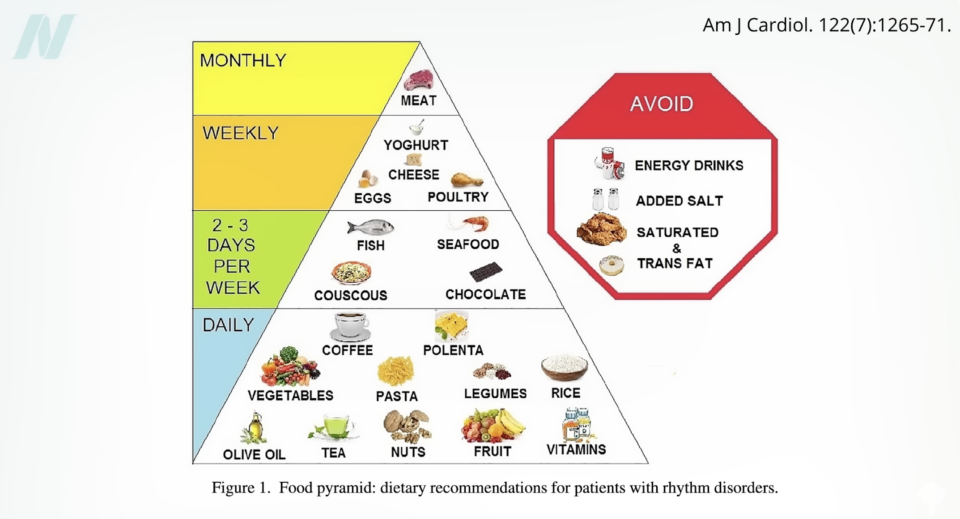
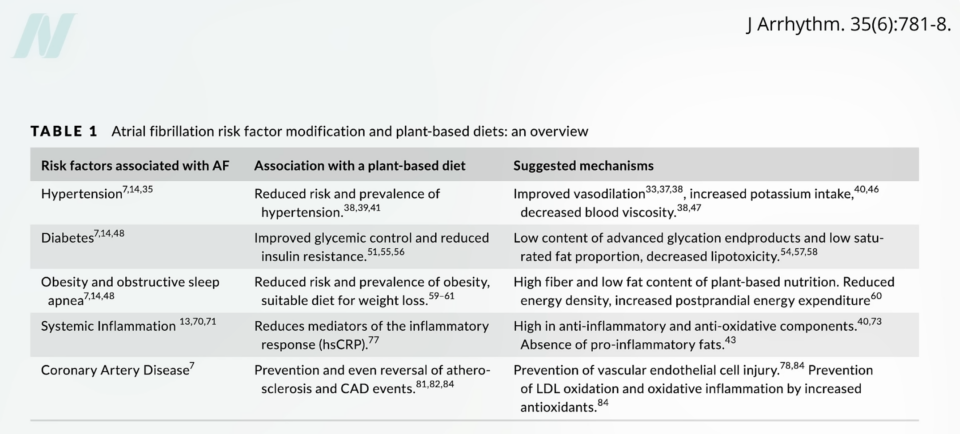
However, the primary way that plant-based diets demonstrate their value in the context of Afib is through the rigorous management of underlying risk factors. The condition rarely exists in a vacuum; it is frequently tethered to hypertension, hyperthyroidism, obesity, and diabetes. A plant-based approach effectively addresses these comorbidities. High blood pressure, for example, is responsible for approximately one-fifth of all new Afib cases. By promoting vasodilation—the natural ability of arteries to expand and improve blood flow—and reducing blood viscosity, a plant-based diet helps lower systemic blood pressure. Furthermore, it provides robust antioxidant and anti-inflammatory support, which helps protect the delicate electrical pathways of the heart.
The link between diet and thyroid health is also noteworthy. Research indicates that individuals who exclude all animal foods from their diet have roughly half the prevalence of hyperthyroidism compared to those who consume meat. Given that an overactive thyroid can place significant stress on the heart, this protective effect is a critical component of preventing arrhythmia.
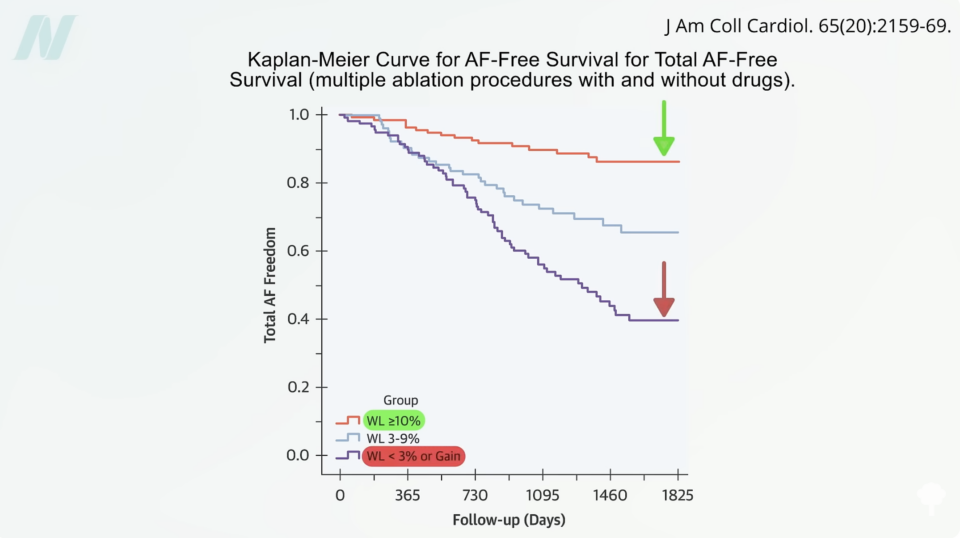
Perhaps the most impactful factor is weight management. Excess body fat is estimated to account for another fifth of all Afib cases. The clinical prognosis for patients who achieve significant weight loss is remarkably positive. In studies following overweight patients with existing Afib, those who achieved a weight loss of 10% or more of their body weight showed only a 10% probability of persistent Afib five years later. In stark contrast, those who lost less than 3% of their body weight, or who gained weight, remained symptomatic roughly 60% of the time. When these factors are viewed collectively, it becomes clear that a plant-based lifestyle acts as a powerful intervention for the prevention and potential arrest of the very conditions that lead to, or exacerbate, atrial fibrillation.
While the data regarding risk factor management is strong, the question remains: can such changes actually reverse an established case of atrial fibrillation? While large-scale randomized clinical trials are still needed to provide definitive proof, recent case reports have provided compelling evidence that this is possible. One notable instance involved an 82-year-old man suffering from a complex array of conditions, including coronary artery disease, history of heart attacks, ischemic cardiomyopathy, high cholesterol, high blood pressure, and persistent atrial fibrillation. This patient was caught in the cycle of "polypharmacy," taking a long list of medications that resulted in cognitive impairment, fatigue, and weakness.
Recognizing that his current trajectory was unsustainable, the patient opted to address the root causes of his illness. He shifted to a whole food, plant-based diet and incorporated moderate physical activity into his daily routine. The results were rapid and profound. Within three months, his LDL cholesterol dropped by 37%, even while he was still on his medication. As his health improved, his physician began to discontinue his antihypertensive, statin, and beta-blocker therapies. Remarkably, not only did his blood pressure and cholesterol normalize, but his atrial fibrillation resolved completely.
Reflecting on his experience, the patient described the debilitating "brain fog" caused by his medication and his frustration with sacrificing his quality of life. After embracing a diet centered on fresh vegetables and devoid of meat, cheese, oil, and alcohol, he reported feeling more alive than he had in years. He regained the strength to exercise, improved his cognitive function, and eliminated the need for a handful of daily drugs. His cardiologist eventually cleared him to cease his last remaining medication, a testament to the power of reclaiming health through fundamental lifestyle changes.
This case serves as a poignant reminder that while medications are often necessary to manage symptoms in the short term, they rarely address the underlying drivers of chronic disease. For many, dietary modification is not merely a secondary support but a foundational pillar of treatment that can, in some cases, alter the course of the disease entirely. As clinical interest in nutrition grows, it is becoming increasingly evident that the "best" diet for treating atrial fibrillation is one that respects the biological needs of the heart, favoring the restorative power of whole, plant-derived nutrition over the reliance on symptom-masking pharmaceuticals.