
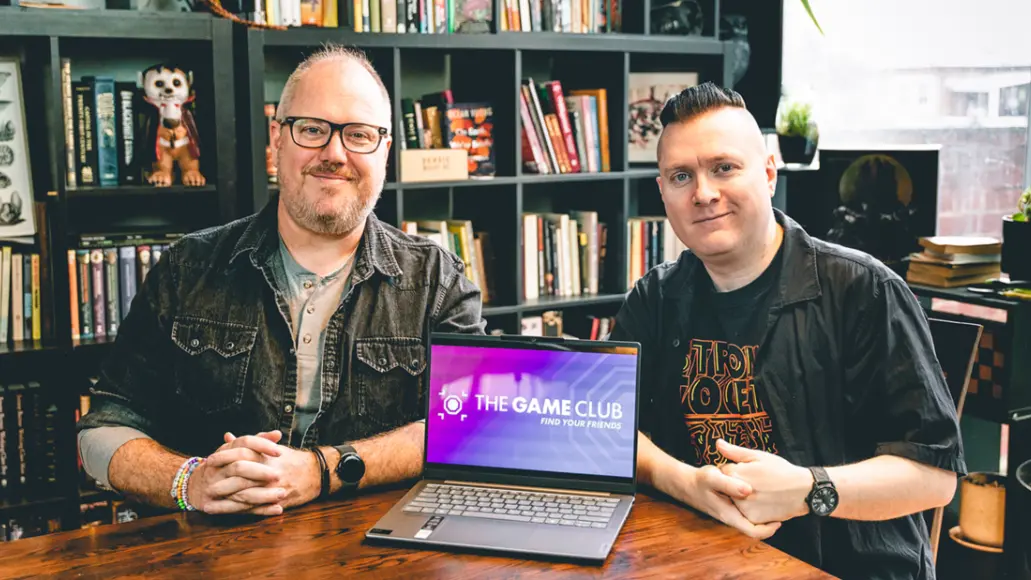
In an era where digital connectivity often feels increasingly superficial, a new initiative is looking to the past to solve the modern crisis of loneliness. Founded in 2025 by industry veterans Guy Blomberg and Shay Leighton, The Game Club has emerged as a community network explicitly designed to mirror the intimacy and structure of traditional book clubs. By encouraging members to engage with the same video game each month and gather in small, curated groups to discuss their experiences, the founders are proving that the medium of gaming can be a powerful catalyst for authentic human connection.
The model is elegantly simple but profoundly effective. Each month, members are provided with a specific title to play. These selections are then discussed in "Clubhouses"—intimate gatherings capped at ten people, which can take place either in person or through digital channels. In its inaugural year, the network has already seen significant success, connecting over 1,000 gamers across six countries. Perhaps most telling of its impact is the data gathered from a recent member survey: 88% of participants reported that they had made new friends through the platform, while 78% explicitly noted a reduction in feelings of loneliness.
"I feel we’ve created something truly meaningful that not only celebrates the medium of video games, but brings people together in a world that couldn’t be further apart, and I’m incredibly grateful for that," Guy Blomberg stated in an interview with GamesIndustry.biz. Reflecting on the project’s growth, he added, "The first year has really been the beta phase to iron out the bugs and see what works and what doesn’t, which has been super gratifying."
The success of the project is rooted in the deliberate selection of the "Game of the Month." Rather than focusing exclusively on the latest high-budget blockbuster, Blomberg and his team prioritize what they term "overlooked classics." These are titles that received critical acclaim upon release but failed to capture the mainstream attention they arguably deserved. By curating a diverse array of genres, The Game Club ensures that members are consistently challenged and exposed to new experiences, preventing the community from becoming stagnant or siloed within a single preference.
The logistics of managing such a diverse, global community are handled with a focus on accessibility and compatibility. Clubhouses are organized based on a variety of filters, including age, accessibility needs, geographic proximity, and time zones. This granular approach ensures that members are placed in groups where they are most likely to find common ground. For those who find that existing groups do not suit their specific requirements, the platform empowers members to take the lead and start their own local or digital Clubhouses. To ensure these groups function smoothly, The Game Club provides hosts with a comprehensive suite of tools, resources, and training, and even offers assistance in securing physical venues for in-person meetings.
"Everyone gets a code for the same game every month—it’s what makes it such a fascinating community," Blomberg explains. "We try to find games that people haven’t played yet and switch genres every month to play with the variety."
This commitment to variety is evidenced by the project’s recent selections. For November 2026, the chosen game is Perfectly Paranormal’s The Holy Gosh Darn. This follows a string of indie darlings that have sparked deep conversation within the community, including MindThunk’s Ctrl Alt Ego, Triple Topping’s Welcome to Elk, Unbound Creations’ Just Crow Things, and the narrative-heavy Roadwarden by Moral Anxiety Studio.

The platform’s impact extends beyond just the players; it has also created a unique bridge between developers and their audience. The Game Club frequently collaborates with the creators of the featured games, providing them with a platform to discuss the history of their work or build anticipation for upcoming projects. This interaction is often driven by member feedback. "It’s a great chance for them to talk about a game from their past or promote an upcoming game they’re now working on," says Blomberg. "We have suggestions from our members quite a bit, and if a game is suitable and the developer is amiable, we check them all out to see if it’s a fit."
The motivation behind the project is deeply personal for its founders. Blomberg has observed a distinct shift in how people interact with gaming culture compared to the earlier days of the internet. "I miss those days on social media when everyone would talk about the big game releases," he notes. "These days, unless it’s Grand Theft Auto, it feels harder to have and find those conversations. So it’s fun to be able to do it with a small Clubhouse group of friends and a wider community."
By stripping away the noise of massive, impersonal online forums and replacing it with the structure of a small, monthly meeting, The Game Club creates a space for deeper reflection. At the end of each month, these groups typically meet in person at local cafes or bars, where hosts utilize provided conversation prompts designed to move beyond the surface level of gameplay mechanics and into the personal experiences and feelings the game elicited. It is in this transition—from discussing a virtual world to discussing one’s own reality—that the true value of the club is found.
"Joining community groups and attending events is a great way to meet like-minded people, but building friends is a whole other thing," Blomberg emphasizes. "The Game Club is built around solving that problem."
As The Game Club moves into its second year, the roadmap for expansion is ambitious. Blomberg and Leighton are looking to integrate the model into more structured environments, specifically targeting colleges and universities. The goal is to establish on-campus chapters that provide students with a consistent social outlet that is both intellectually stimulating and socially grounding. Furthermore, the organization is actively seeking partnerships with global gaming events and organizations to scale their reach.
The underlying philosophy remains focused on the power of the shared experience. In a world where digital media often encourages passive consumption, The Game Club asks its members to be active participants—not just in the games they play, but in the social fabric they help weave. "There are so many wonderful and strong communities out there," Blomberg says, "where the Game Club can help them grow more genuine friendships."
Ultimately, the initiative serves as a reminder that while the technology behind video games continues to advance at a breakneck pace, the fundamental human need for community remains constant. By providing the framework for strangers to become acquaintances and acquaintances to become friends through the lens of a shared digital experience, The Game Club is carving out a necessary space in the modern social landscape, proving that gaming is, at its best, a communal act.